Brick and block walls
Insulating a masonry wall slows how fast it dries, so more moisture stays in the brick and freeze-thaw damage gets more likely, especially in colder climates. We look hard at these first.
Cold outside walls and drafty rooms usually mean the walls are mostly empty. We fill them through small holes and patch them after.
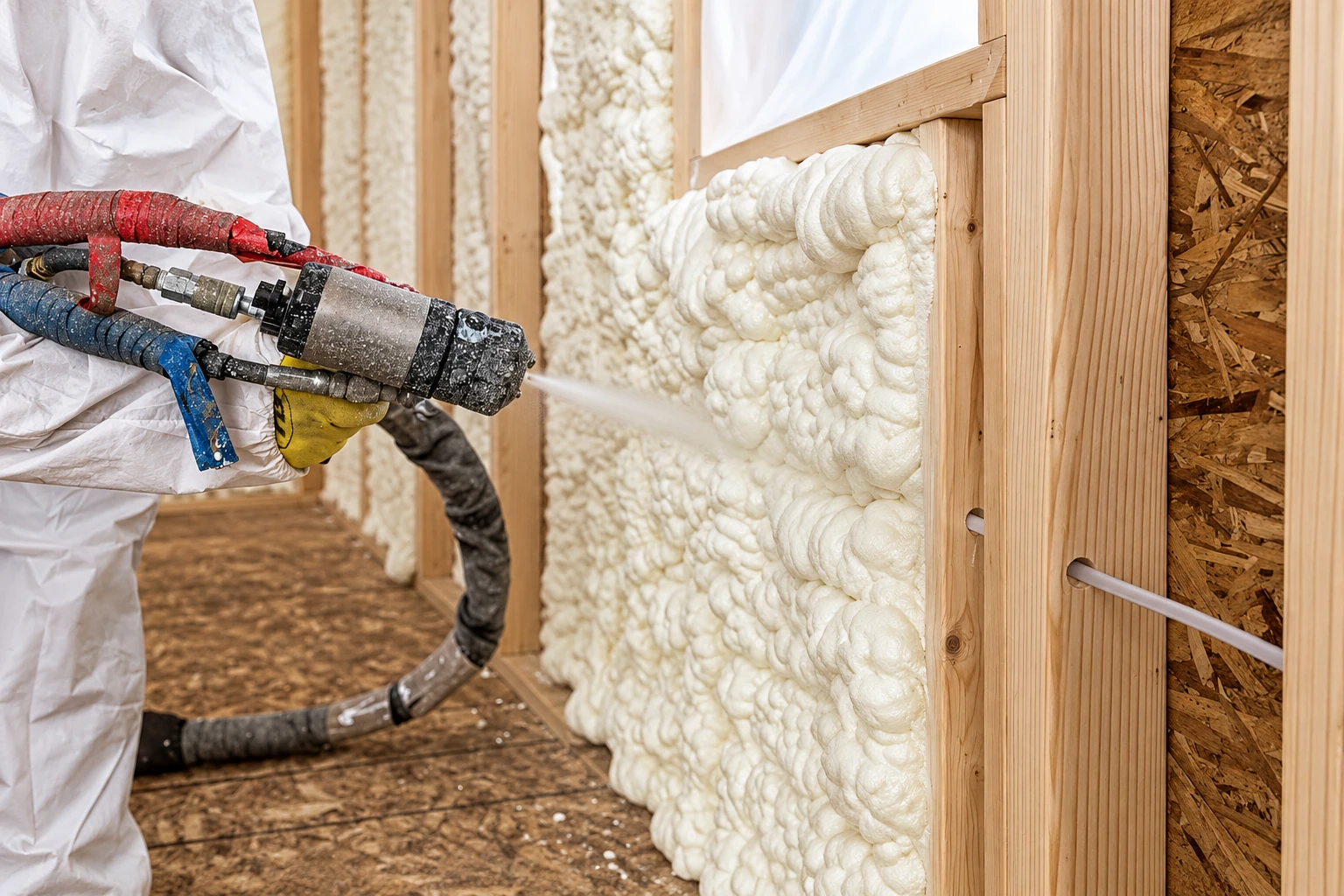
Wall insulation fills the empty space between the studs in your outside walls. In Springfield and across central Illinois, we usually add it through small holes, so you keep your walls and lose most of the chill coming through them.
It usually starts with a room that won't stay warm along the outside wall, or an upstairs bedroom that's drafty wherever the thermostat sits, in a house built with little or nothing in the walls. The price comes down to how much wall we're filling, whether we go in from inside or through the siding, and whether anything needs fixing first. That repair work is also what usually sets the schedule, so I look at your walls and give you your own figure at the estimate.
I look over your walls myself before we price anything, so your number is based on what your house actually needs and not a guess made over the phone.
If something has to be fixed before insulation goes in, I'll say so. I'd rather lose the job than sell you one that hides a problem for a few years.
We're licensed and insured, and I started this business in 2017 after years of property upkeep fixing the same cold rooms that should've been done right the first time.
First we check your walls for moisture and cracks, because we don't fill anything until those are dealt with. For walls that stay closed, we cut small holes from inside or outside to reach each space between the studs, pack it full, then patch the holes and clean up. If you're already gutting a room, that's the easiest time to do it, since with the drywall off we fill the open spaces directly and you can see every one before it's covered.
Walls are only part of it. Cold air also gets in around windows, outlets and pipes, so air sealing services, which close those gaps before the insulation goes in, often go with a wall job. If the floors over your basement stay cold too, basement insulation can go on the same estimate.
Insulating a masonry wall slows how fast it dries, so more moisture stays in the brick and freeze-thaw damage gets more likely, especially in colder climates. We look hard at these first.
In some older houses the stud spaces run from the basement up into the attic. Installer guidance says to block them top and bottom, otherwise you're paying to insulate the basement floor.
Some houses use a wall cavity as the duct for heat or air conditioning, and the cellulose trade group says those must stay empty. We find them first so your furnace still has somewhere to blow.
If we fill from outside, siding comes off as its type allows, and many kinds, like vinyl, aluminum and steel, can be loosened with a siding tool. Your siding helps decide which side we work from.
Send the form and we'll reply within one business day to set a time. I'll come out, look over your walls and give you a free estimate, with no pressure to book.
Frame, brick or block, and whether a room is already opened up. That tells me if we're likely filling through small holes or straight into open studs.
Vinyl, aluminum, wood or something else. It tells me whether going in from outside makes sense before I pull into your driveway.
A water stain, peeling paint or cracked plaster is worth mentioning up front, because those get looked at first and can change what we do and when.
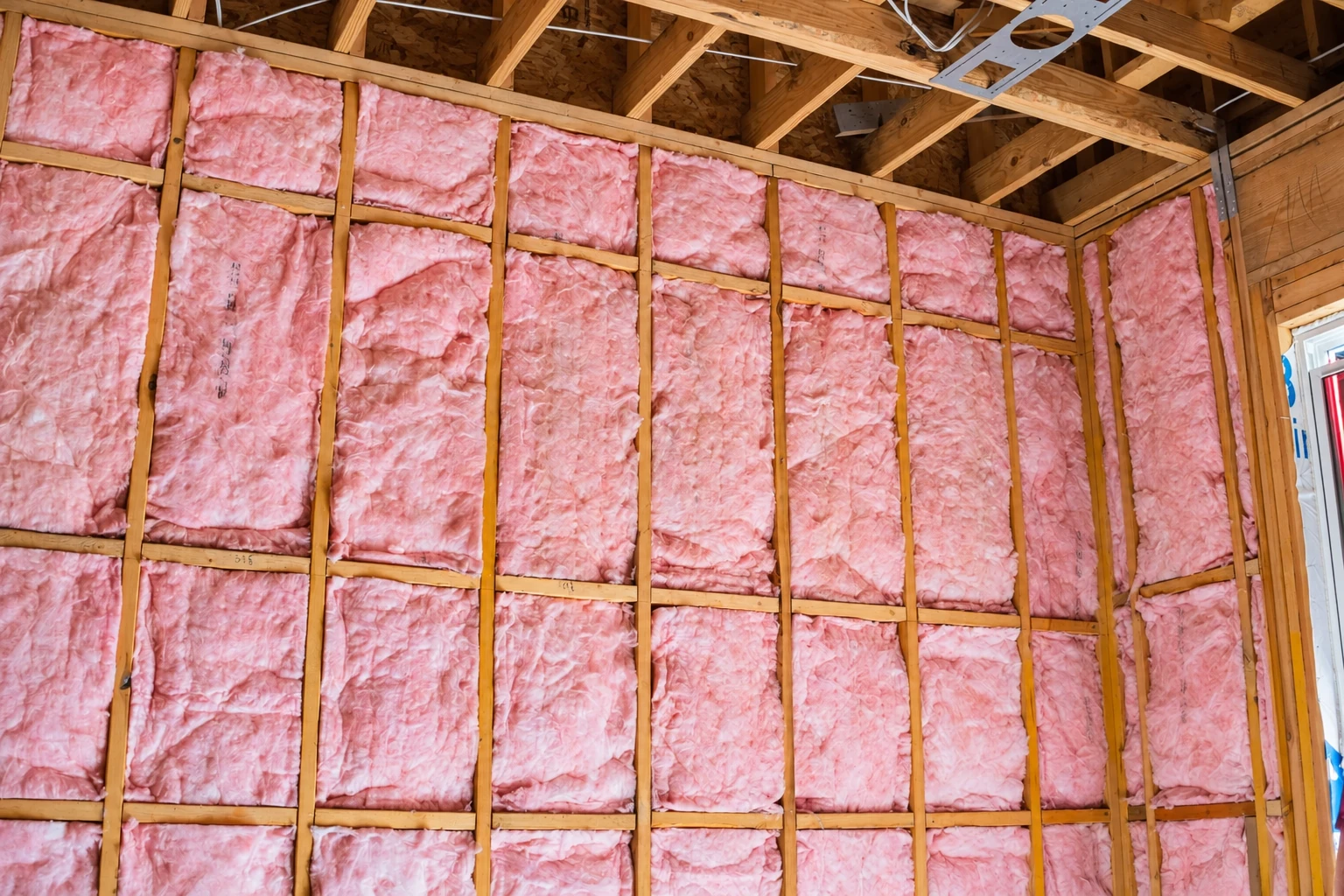
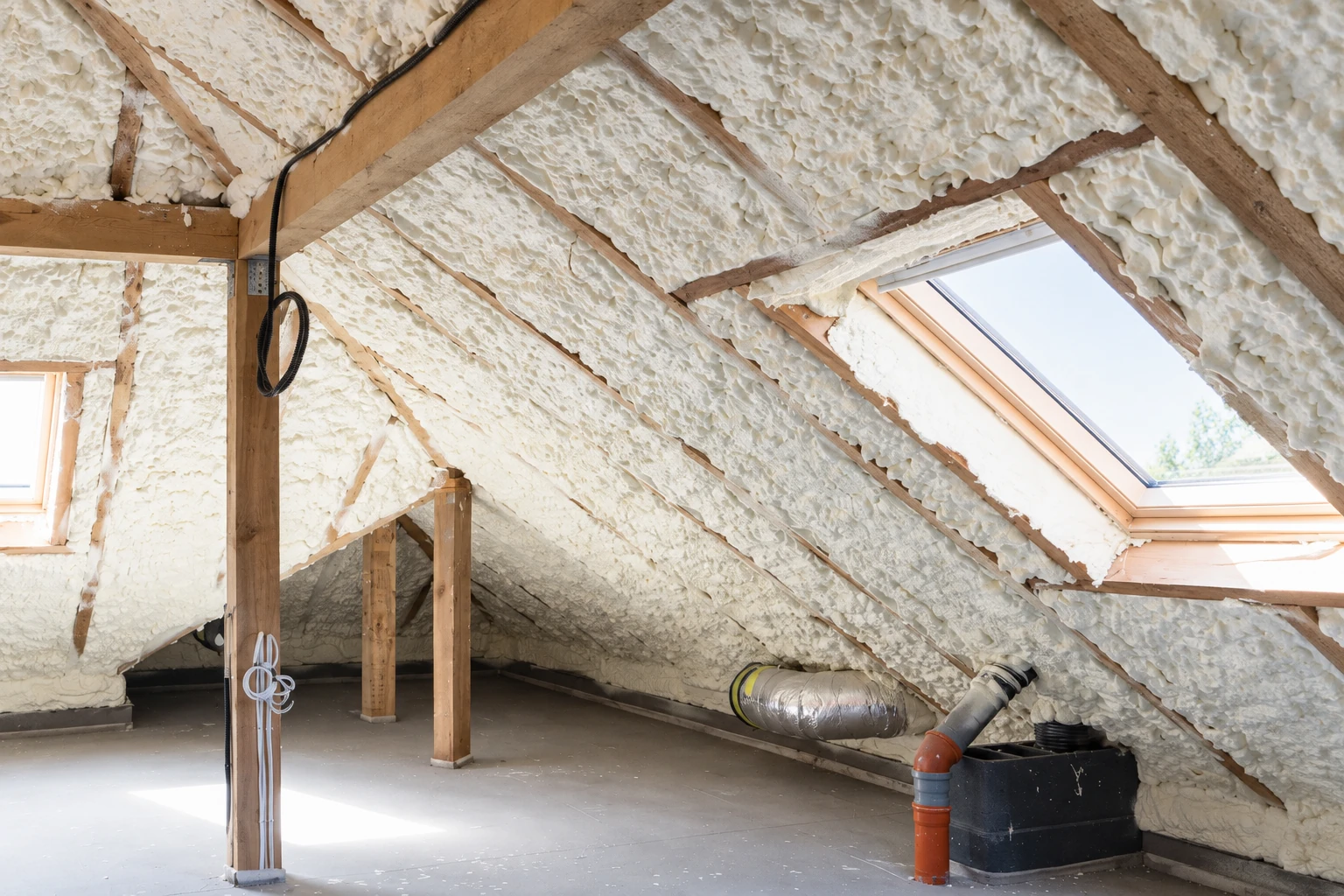
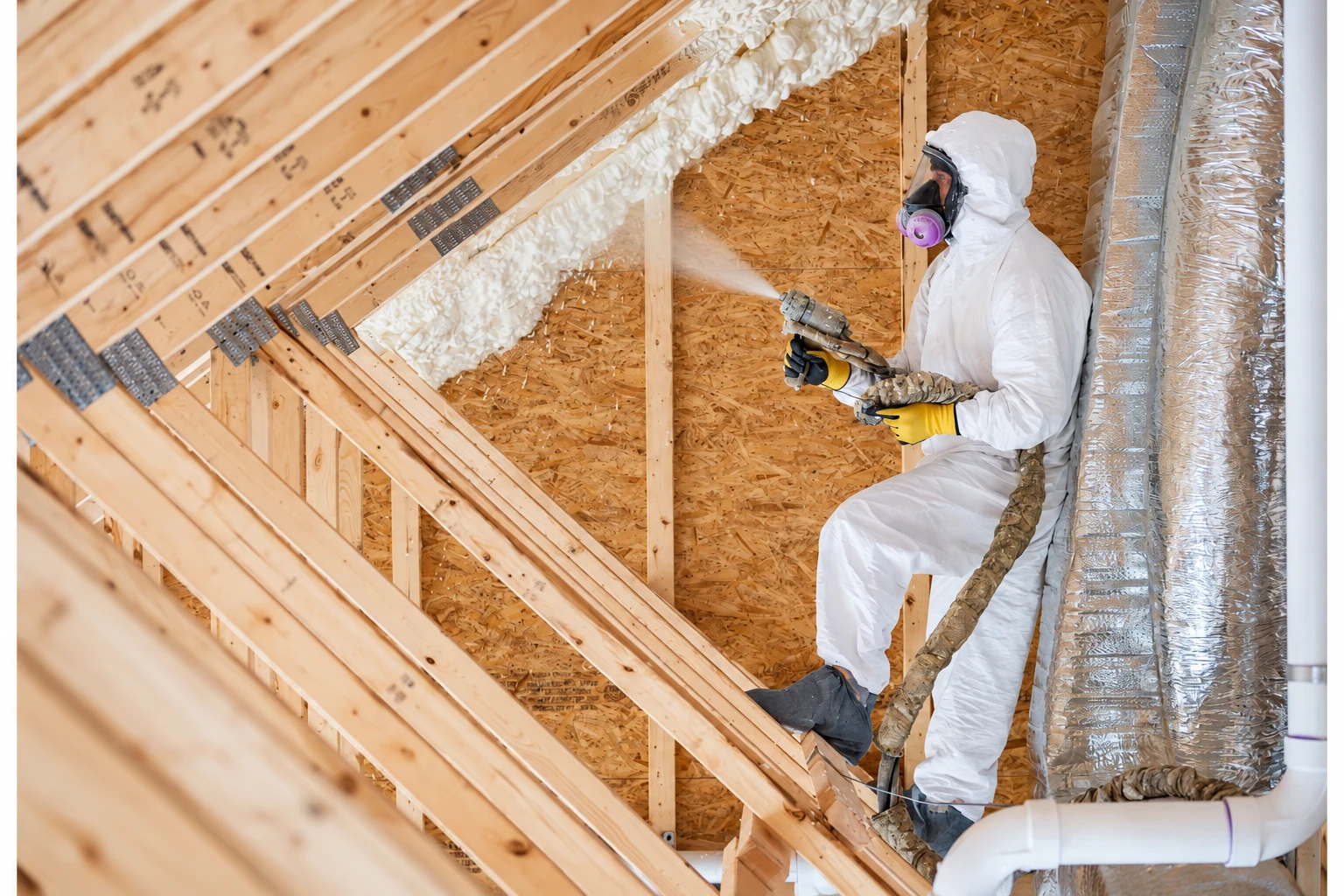
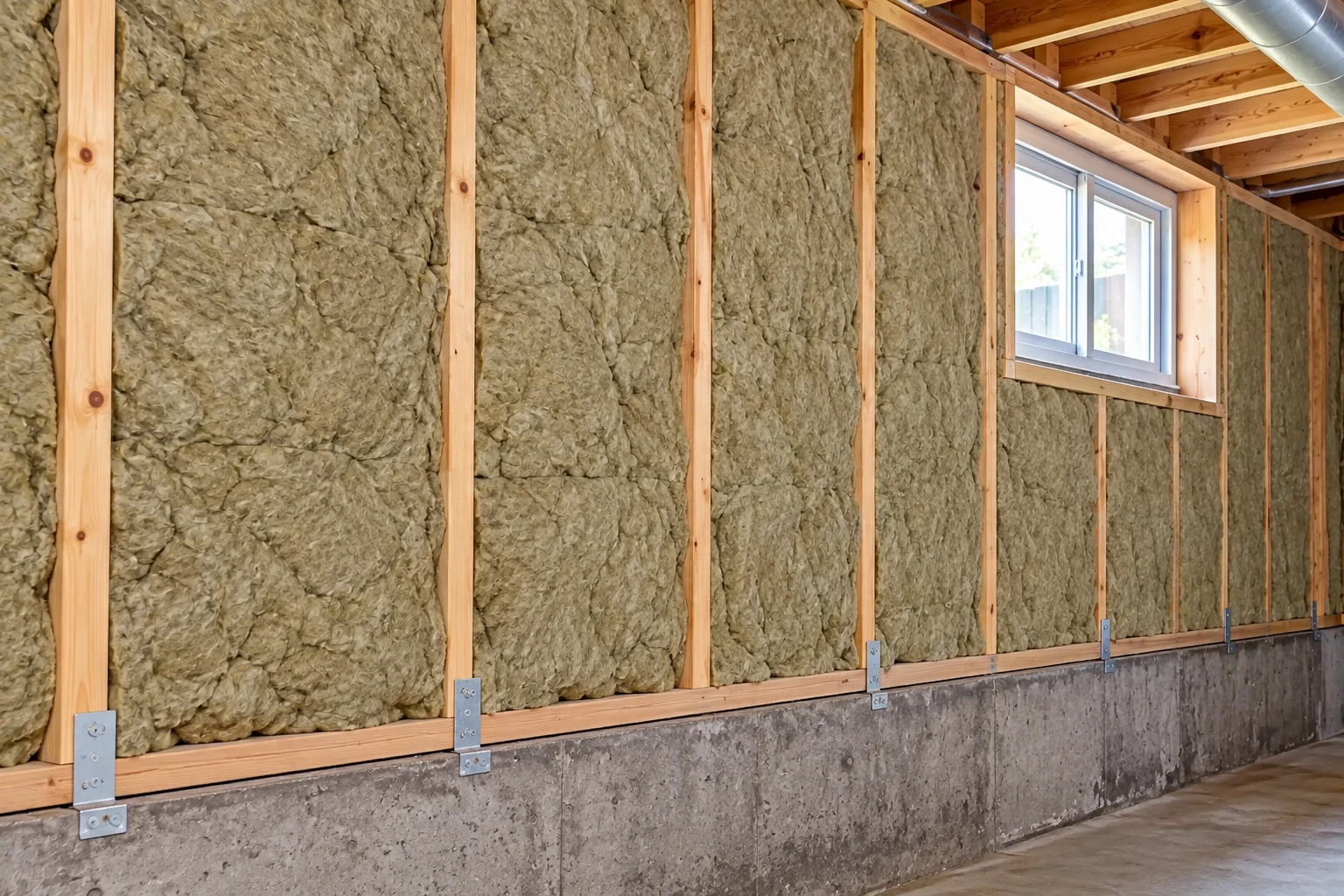
These photos show examples of dense-packed closed walls, open stud bays and patched access holes, the kind of options we can talk through at your estimate.
The questions we hear most about insulating existing walls in Springfield, from cost and method to how the walls look afterward.
Yes, in most houses. Filling closed walls through small holes is the usual way to add insulation when you want the house left mostly as it is. The fill goes in packed tight on purpose, because loose insulation in a wall settles and leaves empty gaps. We decide at the estimate whether to work from inside or outside.
We fix those first. Federal retrofit guidance says to hold off until moisture in the siding, the sheathing under it, window and door framing or the inside finish is found and repaired. Cracked or weak plaster and drywall come first too, because packing insulation into a tight space can push a weak spot further apart. If that means waiting, I'll tell you.
Installing blown-in wall insulation across the US usually costs about $4 to $4.50 per square foot. That's a national figure for the install, not our Springfield price. I'll give you yours once I've seen the walls, since repairs and how we reach the cavities can move it either way.
Not when they're finished right. After an inside job the holes are either patched or covered with chair rail, a strip of trim run along the wall, so it's fair to ask which finish a crew plans to use. We patch ours, and if you'd rather have chair rail, tell me at the estimate.
Done right, a long time. The cellulose industry's trade group says properly installed cellulose can work well for decades, and the catch is the word properly, so who puts it in matters as much as what goes in. That's why I'm on most jobs or checking them before we pack up, and the work is satisfaction guaranteed.
Usually not for closed walls. Spray foam is typically the most expensive way to add insulation to an existing wall, so when the walls stay shut we fill them through small holes instead. Foam makes more sense with the studs open during a gut job, because it seals air while it insulates, and we'll lay out both options.
Call (217) 210-0709 or send the form, since we answer evenings and weekends and you won't need to take time off.