Spray foam insulation
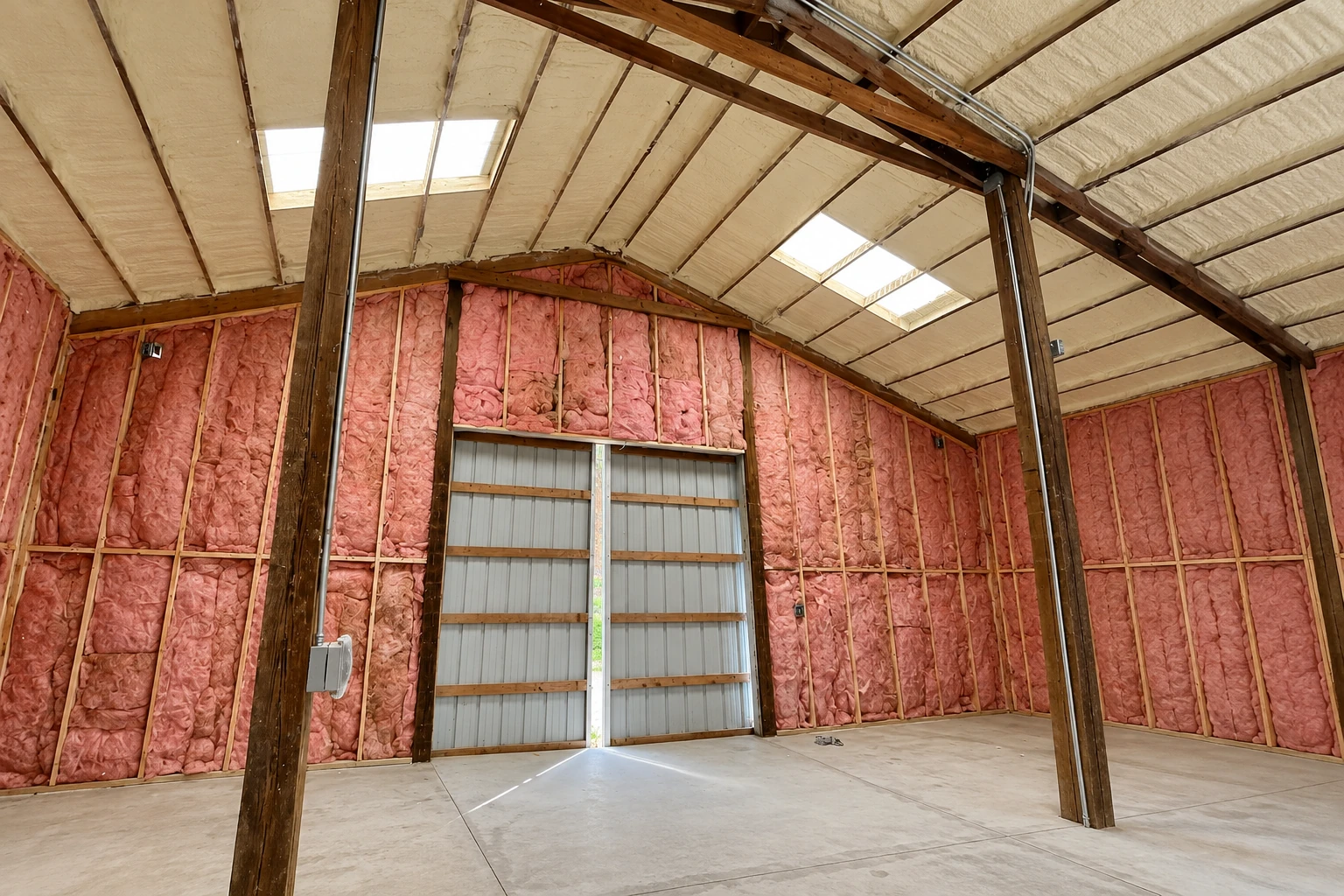
Foam costs more and seals air while it insulates. In most attics, sealing gaps and topping up loose fill wins, unless your ductwork runs up there, and then foam usually earns its price.
Prime Springfield Spray Foam Insulation is an insulation contractor based in Springfield, IL, insulating attics, walls, crawl spaces and basements in Decatur. We seal gaps, pull out insulation that's past saving and add what the house needs.
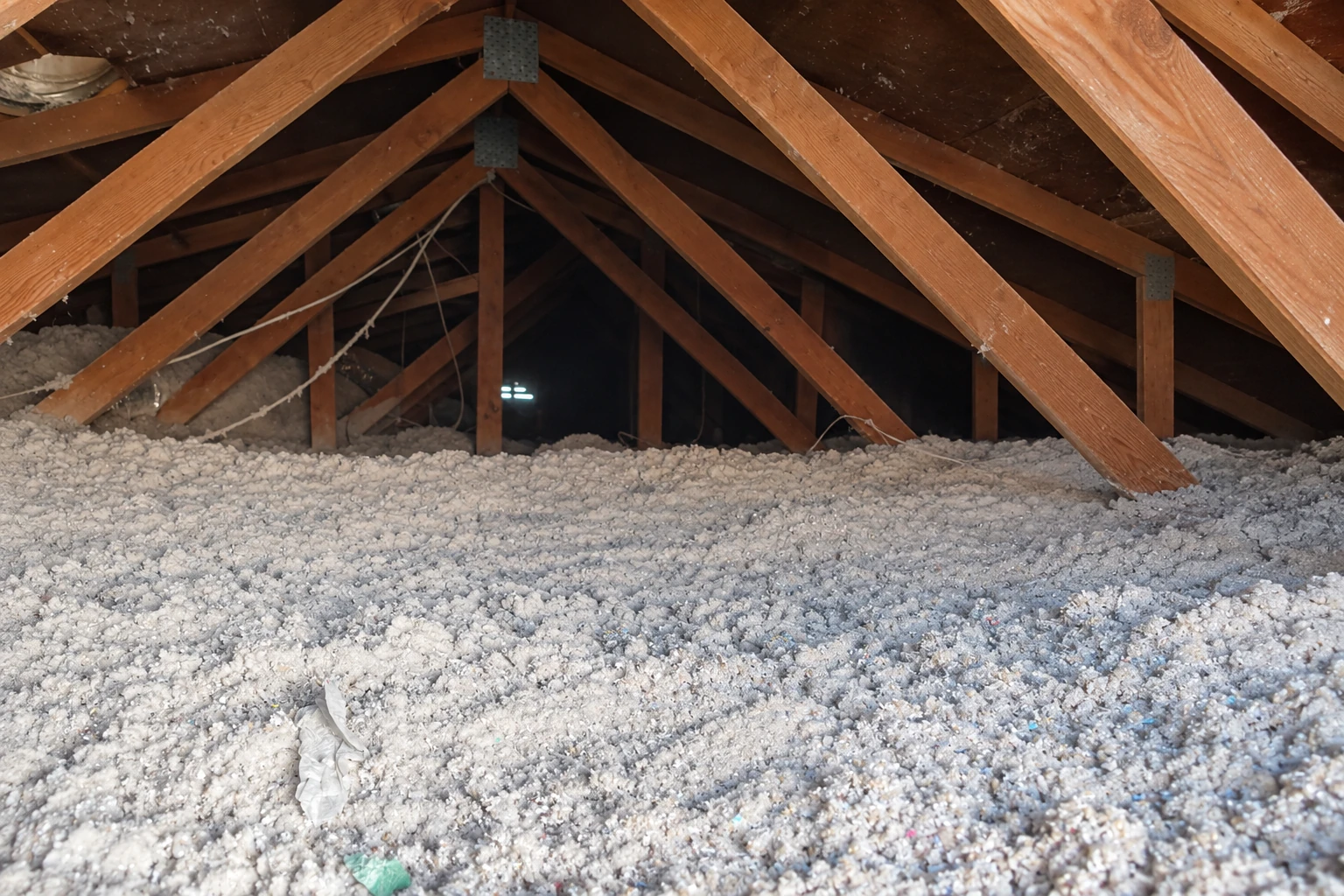
We're based in Springfield and work across central Illinois, Decatur included, the same as Taylorville and the cities around them. A lot of what we see here is older housing, places like the historic West End, where the attic has a few inches that settled decades ago and the upstairs runs hot all summer. We also see newer houses where whoever blew in the attic covered the middle and forgot the edges. The price comes down to how much is already up there and whether it can stay, how many gaps need sealing, and whether foam makes sense for your house. The schedule turns on what has to happen first, like pulling out wet or dirty insulation or waiting on a roof repair. I give you both from what I find at the estimate.
The city lists work within a floodplain among the jobs that need a permit, so if your lot sits in one, tell me at the estimate. Down in the crawl space, the ground decides the job, because insulation laid over wet dirt just rots in place.
I come out for every estimate myself and get into the attic or crawl space, because the inches already up there, and what shape they're in, decide the job.
If the roof leaks or the crawl space stays wet, I'll tell you to fix that before we insulate. I'd rather you wait a month than pay for the job twice.
Decatur requires a contractor on permit work to be licensed and registered with the city's Building Department, and that contractor can only pull a permit while the license is in good standing.
Foam costs more and seals air while it insulates. In most attics, sealing gaps and topping up loose fill wins, unless your ductwork runs up there, and then foam usually earns its price.
We measure what's already up there, keep it if it's dry and clean, and even out the coverage so the edges get as much as the middle, not the other way around.
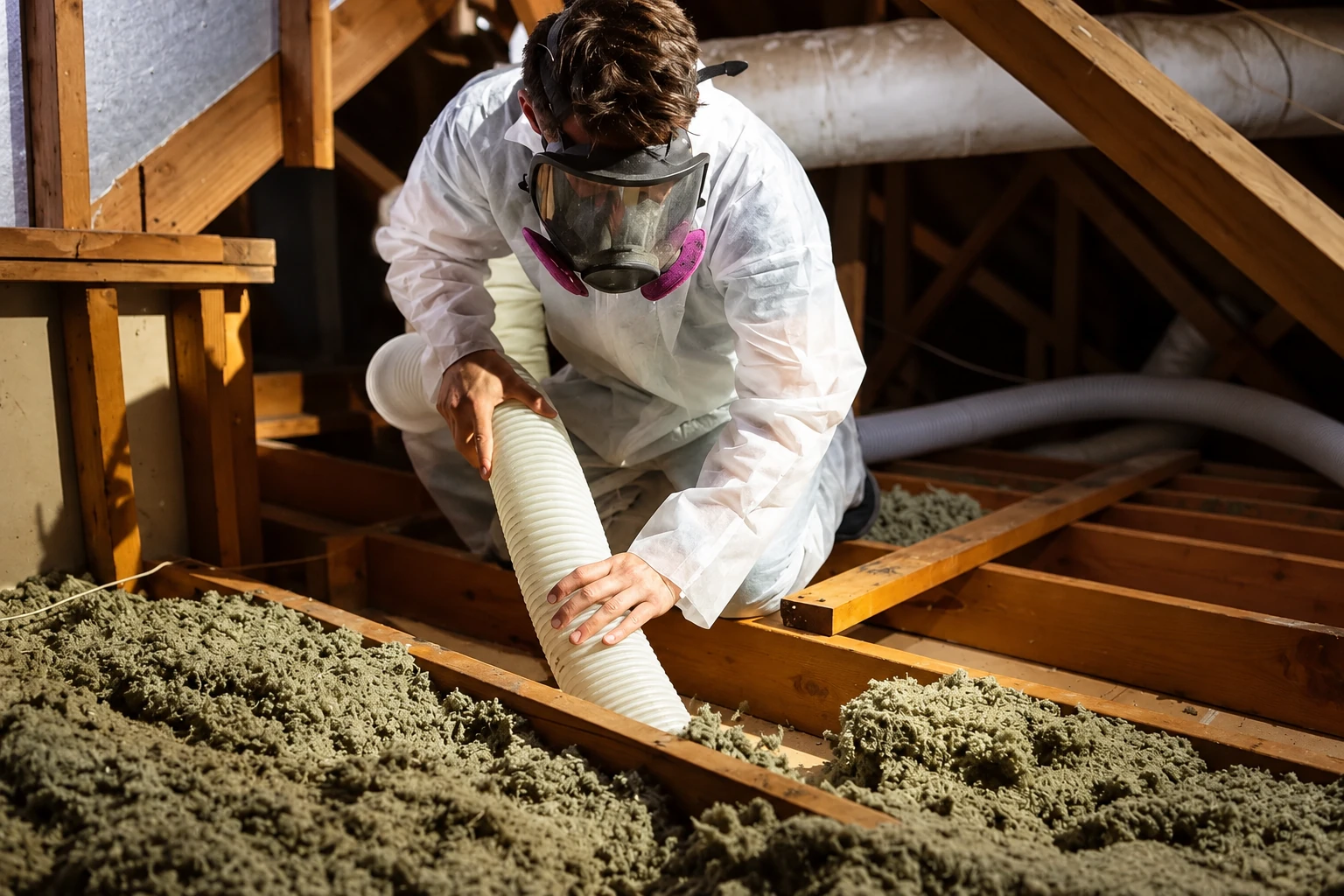
Blown-in is loose fill sent through a hose into the attic or walls. We keep the eave vents clear before we start, so the new layer doesn't choke off the attic's air.
When the whole house runs drafty, I go through the attic, walls and crawl space and tell you which one is letting the most heat out before we touch anything.
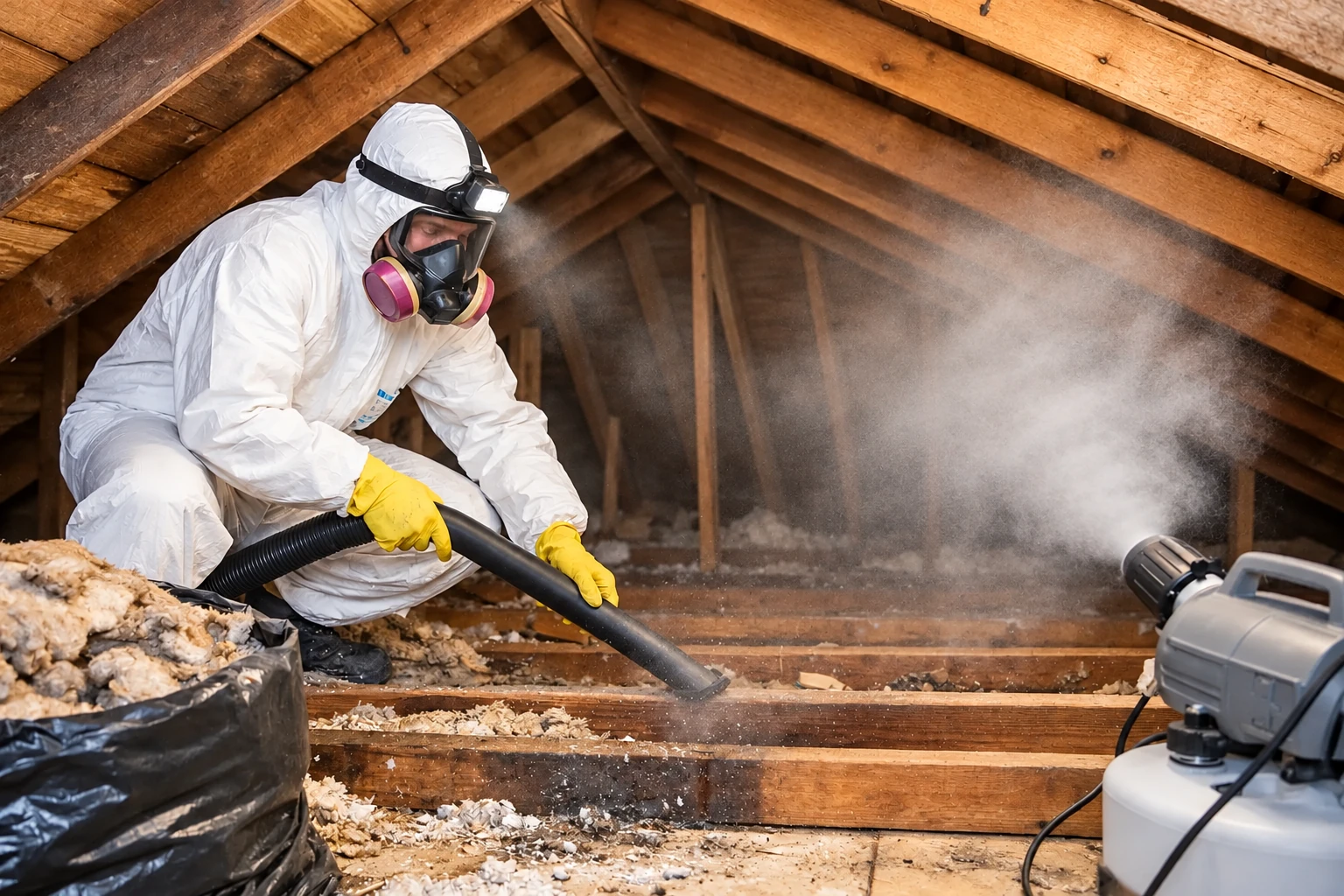
Insulation that got soaked or filled with droppings comes out before anything new goes in, because covering it keeps the smell and the damage right where they were.
Cold floors usually start below them. We check the crawl space for standing water first, then insulate so the floors above stop pulling the heat out of your feet.
Older Decatur houses often have empty or slumped wall cavities. We fill them through small holes we patch afterward, so the outside walls stop feeling cold to the touch.
Air sealing is closing the gaps before insulating. Around the house that means rim joists, pipe holes through the floor and the seam where the room over the garage meets the rest.
We insulate rim joists and foundation walls after checking for seepage, because foam or batts on a wet basement wall just hold the water against the concrete.
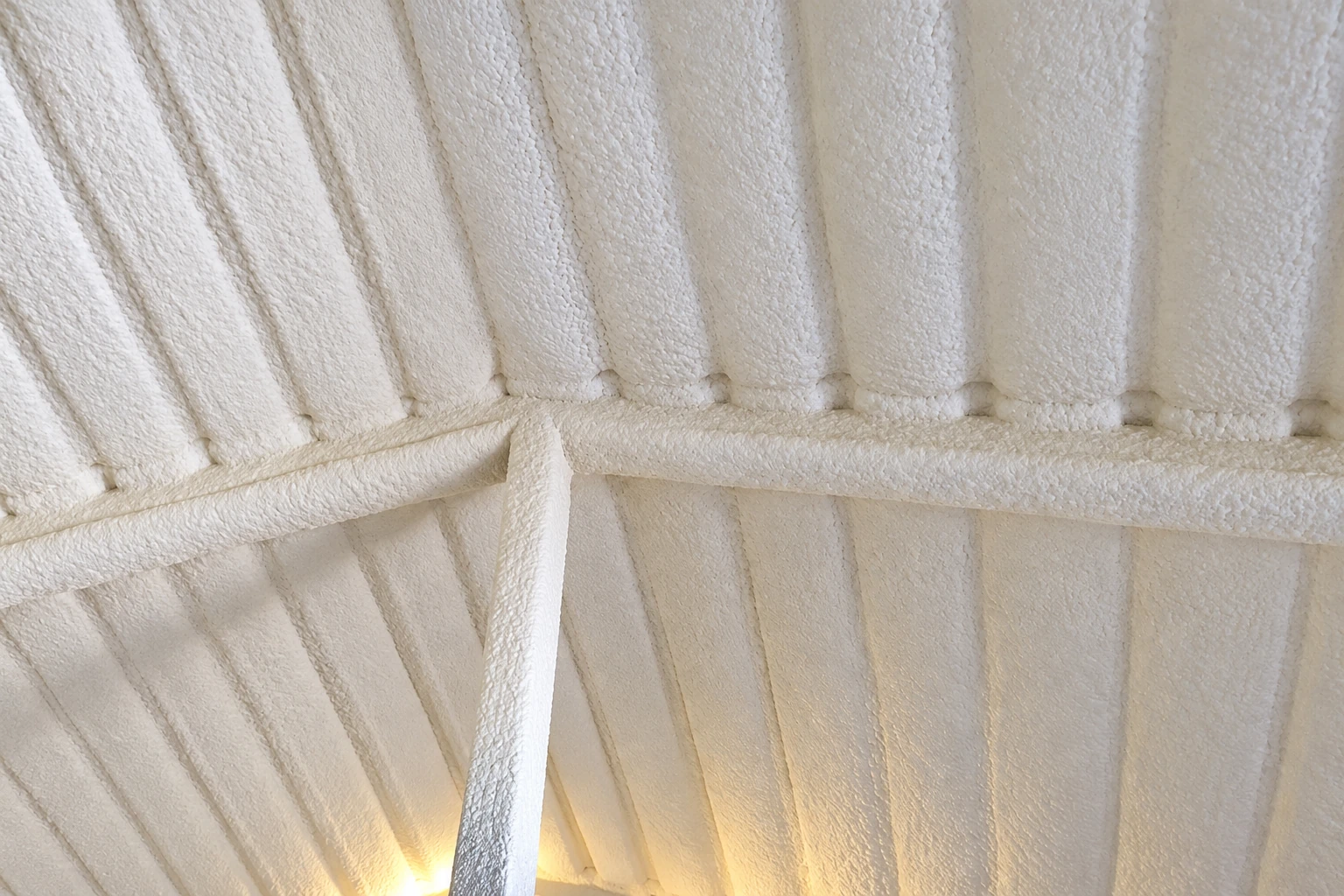
Closed-cell foam is dense foam that blocks moisture as well as heat. We use it on rim joists, crawl space walls and other spots that see damp.
Open-cell foam is softer and lighter, and it fills odd rooflines and wall cavities well. We keep it to dry spaces, since it doesn't stop moisture the way closed-cell does.
Landlords and property managers call us for rentals and small commercial buildings, and I look over each unit or space before we price it, the same as a house.
We lay a vapor barrier over the crawl space dirt to keep ground moisture out of the floor framing, once any standing water down there has been dealt with.
Where a wall, ceiling or basement needs a vapor barrier, we put it on the side the house needs it, because one on the wrong side traps moisture in the wall.
Before we add anything to an attic, we seal around the hatch, the plumbing stacks and the can lights, so the new insulation isn't fighting a draft coming up from below.
Retrofit work adds insulation to a finished house without tearing out walls. We pick the method by what's behind the drywall, which I check before pricing anything.
Send the form and we'll reply within one business day to set a time. I'll come out, look over the space and give you a price, with no obligation to book.
The estimate is free and done on site, because I can't price an attic I haven't crawled through, and I won't guess at one from a photo.
If there's a leak, a wet crawl space or old insulation that has to come out, you'll hear it at the estimate, before you've paid for anything.
We're licensed and insured, and the work comes with satisfaction guaranteed. Our crew does the install, and I'm on most jobs or checking them before we pack up.
Straight answers on permits, inspections and when you can get back in the house after an insulation job in Decatur.
Maybe, so we check with Decatur's Building Inspections division before we start, and if a permit is needed, we take care of it. That office issues permits inside the city limits. Its list names roofing, decks, electrical work, furnaces, water heaters and siding among other work, which is why we ask about insulation instead of guessing. You can reach it at 217-424-2787.
The city issues a stop work order, and the job sits until the proper permit is pulled. If no permit follows, the city files a notice of non-compliance against the property, which puts a lien, a legal claim, on your house. That's a lot of trouble to skip a phone call, so we make the call first.
Usually the next day, if the request goes in before 4 p.m. the day before and an inspector is free. The city sets inspection routes by area, not by who asked first, so yours can slip a day. If your job needs an inspection, we schedule it and plan the work around it.
Usually yes for spray foam, and usually no for blown-in or air sealing. Fresh foam gives off fumes while it cures, so you, the kids and the pets stay out until the re-entry time, the wait before it's safe to come back in. That depends on the product, and I'll give you the time at the estimate.
Decatur has its own page here, and so do the other cities below. We work across central Illinois from Springfield, so if yours isn't listed, call or send the form and ask.
Call (217) 210-0709 or send the form, and mention which room bothers you most so I start there when I come out.