
Cold floors upstairs
If the floor over the basement stays cold all winter, the usual cause is heat and air leaking out through the foundation walls and rim joists. Sealing and insulating there warms the floor from below.
Cold floors upstairs and a drafty basement usually mean heat is leaking out the foundation. We check for water, then seal and insulate it.
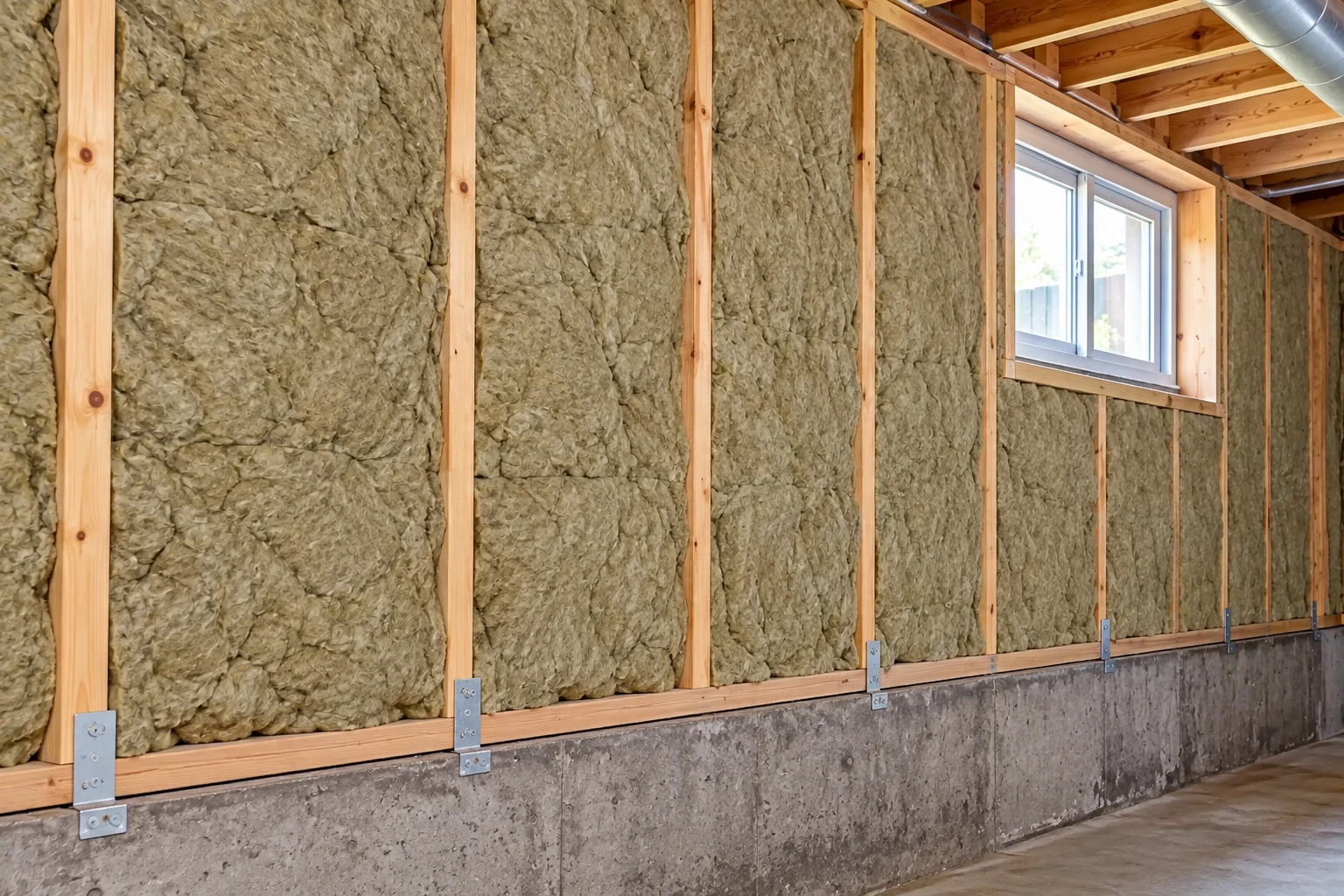
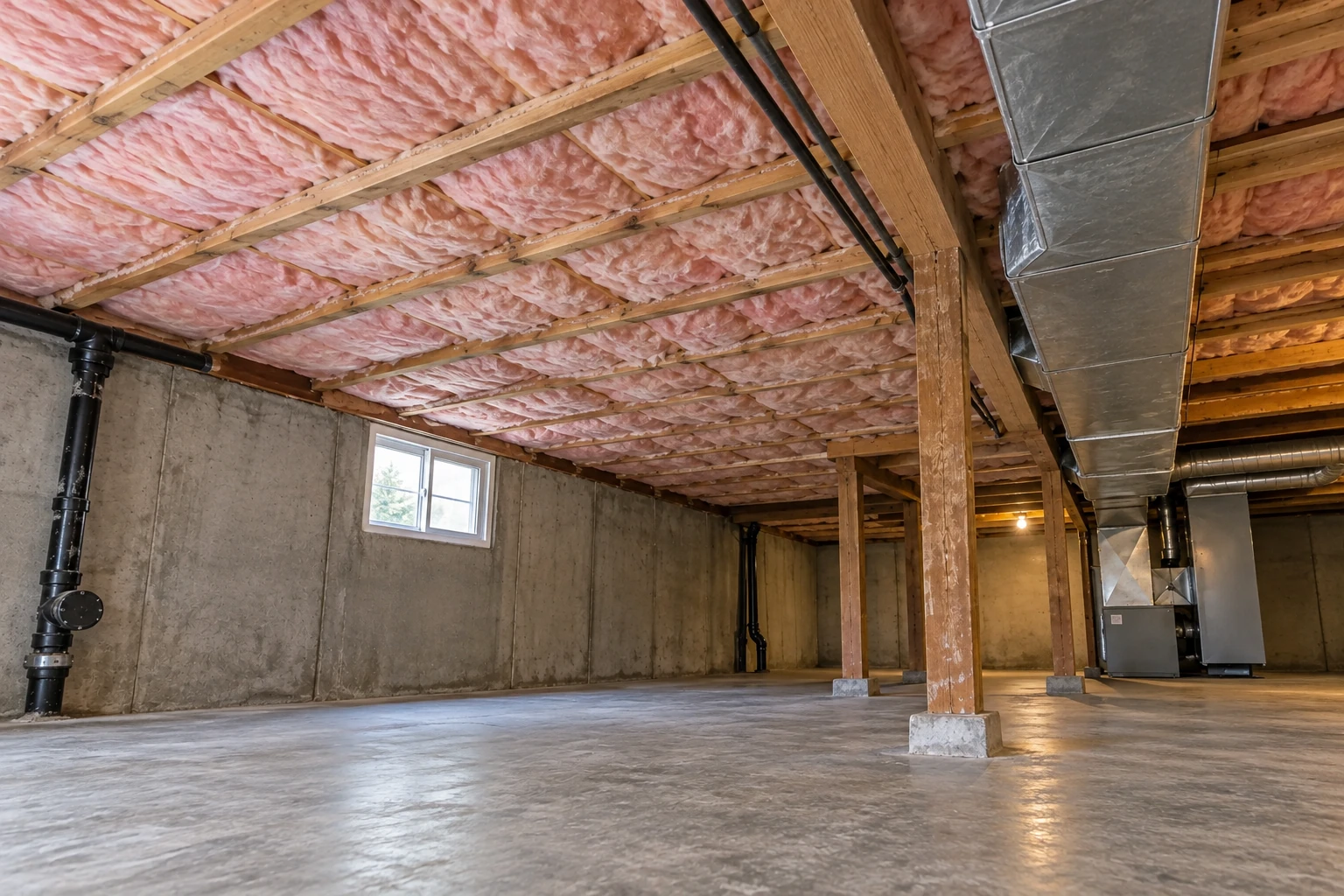
Basement insulation in Springfield covers your foundation walls and rim joists, the wood band where the house sits on the foundation, and seals the air leaks around them so your house stops losing heat through the basement.
Most calls start one of three ways: cold floors upstairs, a basement that feels damp or drafty, or plans to finish it and no idea what goes behind the drywall. The price moves with how much foundation wall you have, whether we use foam or a framed wall, how many gaps the rim joists have, and whether water needs fixing before we start. The schedule mostly turns on that water, because a damp wall waits until it's dry, and spray foam comes with a re-entry time, a wait before you go back in, which I'll give you for your job. Your own number comes from the estimate, once I've seen the space.
I come out for every estimate myself and look over the walls, the rim joists and the corners before I put a number on anything, because a basement priced from the driveway is a guess.
If the walls show signs of water, I'll tell you to fix that before we insulate. I'd rather you wait than pay us to cover a leak that's still there.
We're licensed and insured and have been insulating central Illinois houses since 2017, so our crew has seen plenty of basements that somebody did backward the first time.
First I go over the foundation walls for signs of water, like stains, white crust, damp spots or a musty smell, because water gets settled before insulation does. Once the walls are dry, we pick the method by what you plan to do with the space. Our crew seals the rim joists and the gaps where pipes and wires come through, since plenty of rim joists we open have never met a can of sealant. Then we put in the insulation and clean up, and I'm on most jobs or checking the work before we pack up.
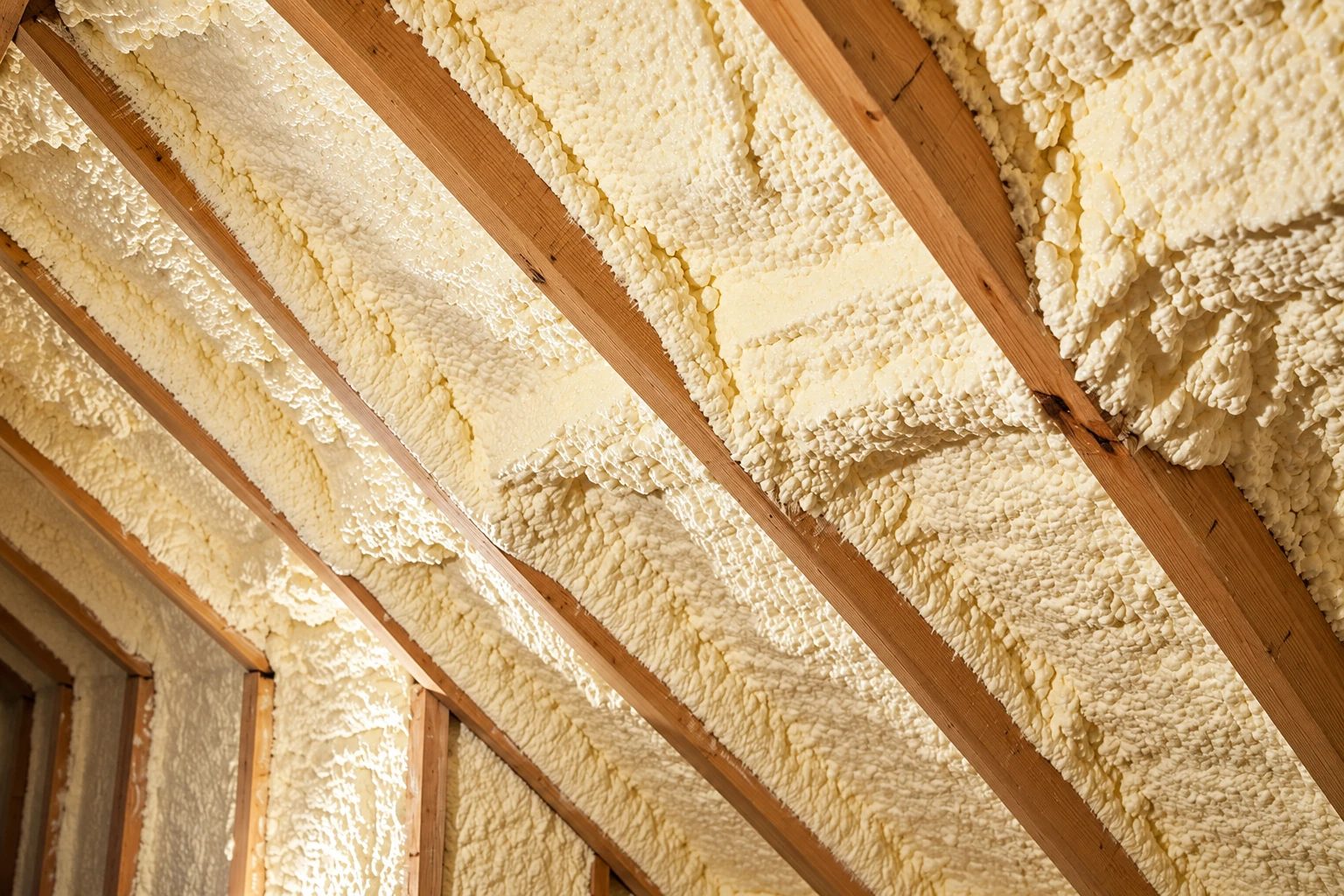
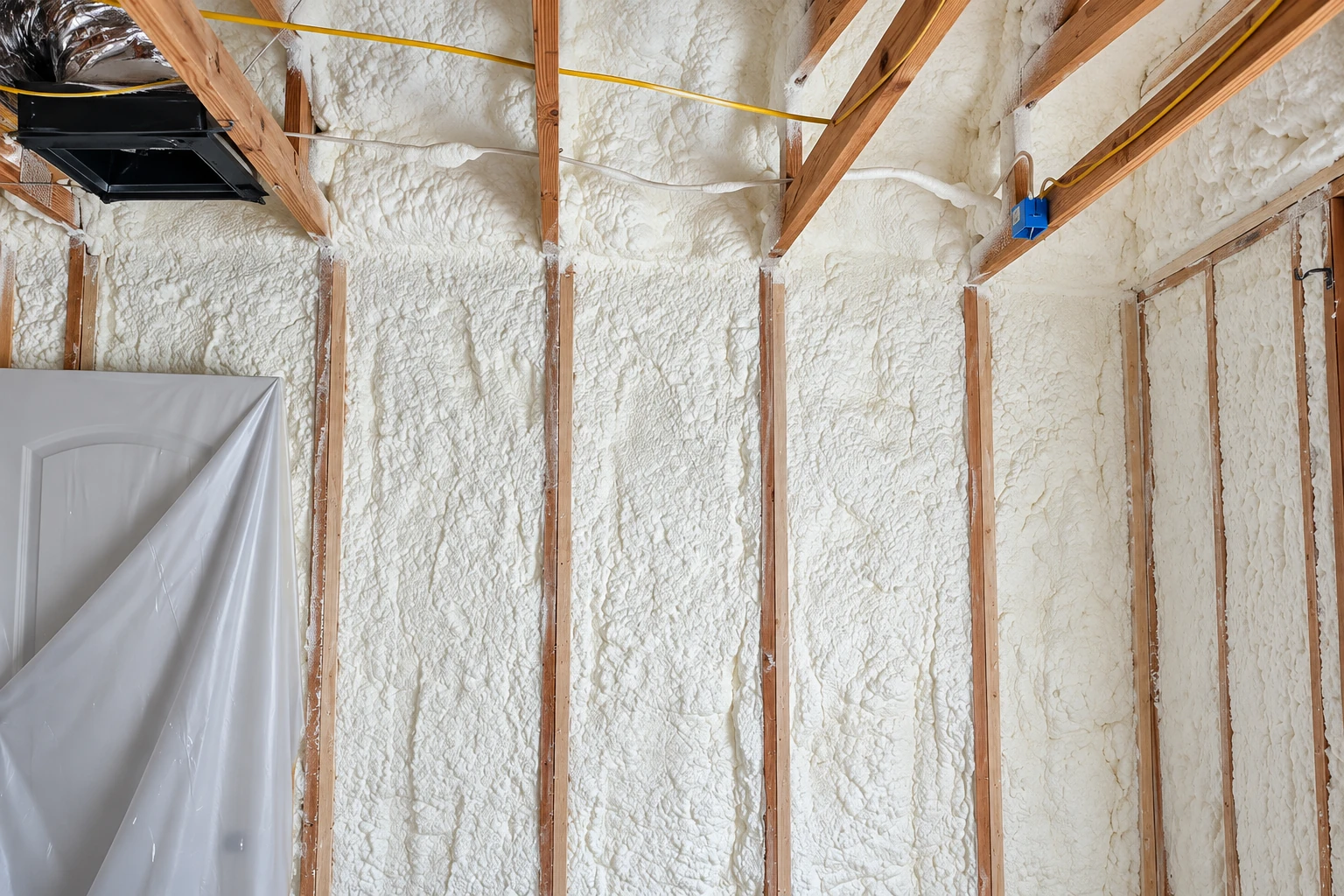
On bare concrete, closed-cell foam insulation is the usual pick because it's dense and blocks moisture while it insulates. Open-cell foam insulation is lighter and costs less, but it belongs on framed, above-ground spots rather than the foundation itself, so we'll tell you if it has a place in your basement.
If the floor over the basement stays cold all winter, the usual cause is heat and air leaking out through the foundation walls and rim joists. Sealing and insulating there warms the floor from below.
If it's going to be a family room or a bedroom, say so at the start, because that decides the method. It's far easier to insulate before the framing and drywall go up than after.
Older houses usually have more holes where pipes and wires pass through the rim joist, and sometimes wiring we want to see before anything covers it. House age tells me a lot before I go downstairs.
Landlords and property managers call us too. I look at a rental basement the same way and tell you plainly if it isn't ready, which saves you insulating a unit twice.
Send the form and we'll reply within one business day to set a time. I come out, look over the basement and give you a free estimate, with no pressure to book.
A rough size of the basement or its walls helps, because size is the biggest thing that moves the price. I'll measure properly when I'm out there, so a guess is fine.
Stains, damp corners, a musty smell or water after a hard rain all matter, because they decide whether we insulate now or the water gets fixed first.
Storage, a family room or a bedroom someday each points to a different method. If you haven't decided yet, we'll talk it through on site.
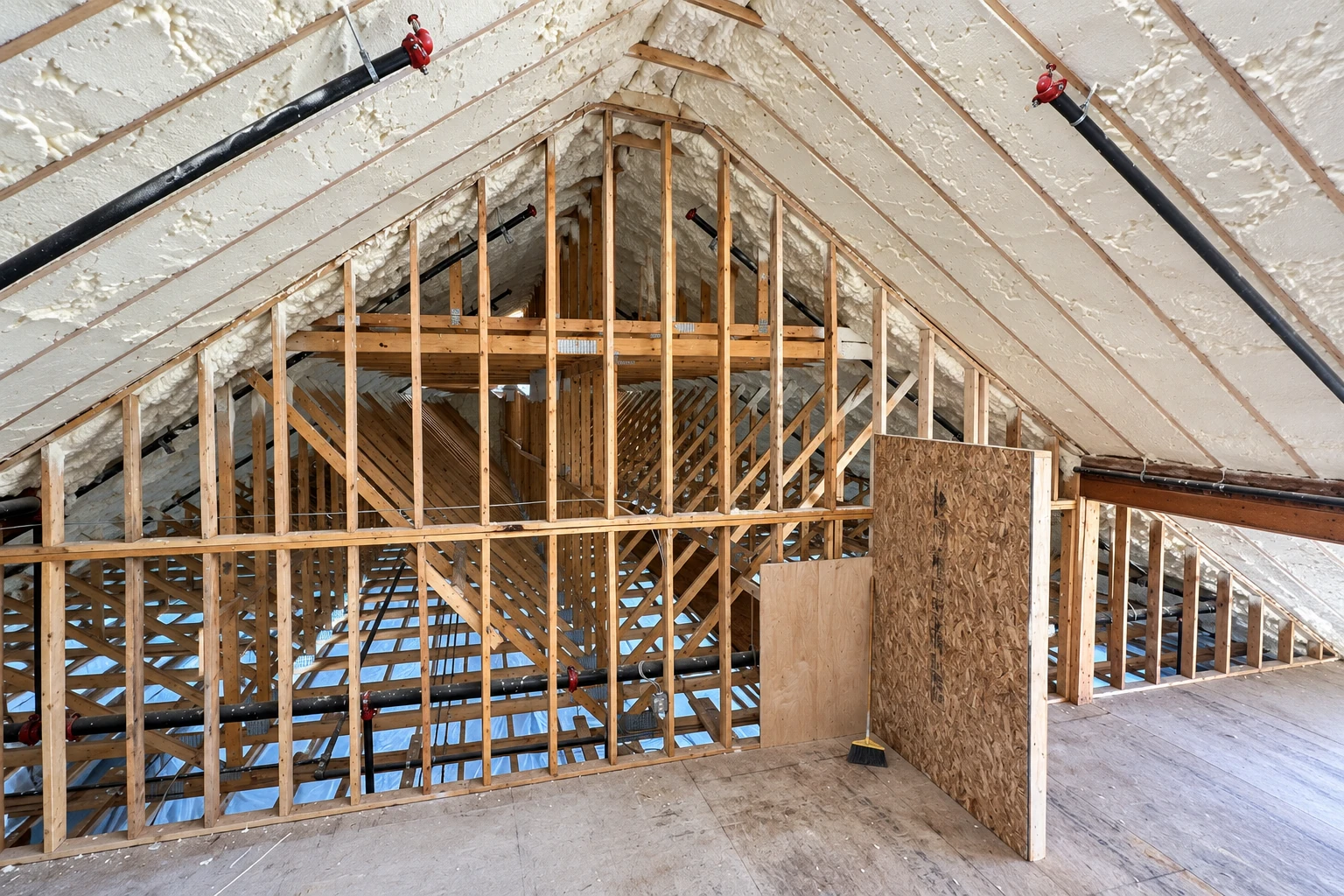
These photos show foam on concrete, framed walls and sealed rim joists, the kinds of methods and finishes we can talk through at your estimate.
Straight answers to what homeowners ask about insulating a basement, from water and methods to cost and permits in Springfield.
Yes, water gets fixed before any insulation goes on a basement wall. Insulating without dealing with moisture can hide the problem, and sometimes it traps water in the wall and makes the damage worse. The usual advice is to check for leaks, mold, pests, exposed wiring and radon first. The state's radon program urges every Illinois home to test and licenses the people who do it.
For most homes, the walls. Federal research advises insulating a basement ceiling only when the house is in a dry climate and the basement will never be used as living space. Everyone else is choosing how to do the walls. Either way, the rim joists get sealed and insulated, because air sealing is a big part of keeping condensation off them.
Spray foam gives you the better wall, and a framed wall gives you the cheaper one. Foam is usually the most effective way to insulate a foundation wall, seals air as it goes on and costs the most. A stud wall filled with insulation costs less and is ready for drywall, though wood on concrete can invite moisture. Foam in most basements needs a fire barrier over it, usually drywall, under local code.
Across the US, insulating a basement usually costs about $4.50 to $6 per square foot. That's the national range, not our price, so a bigger basement or a foam job lands higher than a small one or a framed wall. I give you your own figure after I've looked at the walls.
Ask the city's Building & Zoning Department, which issues permits in Springfield. Permit rules differ from one office to the next, so we check with the office that covers your address before we start, whether you're in Springfield or a nearby city. If a permit is needed, we take care of it.
We work across central Illinois, including Chatham, Decatur, Taylorville, Lincoln and Jacksonville, so call (217) 210-0709 or send the form.