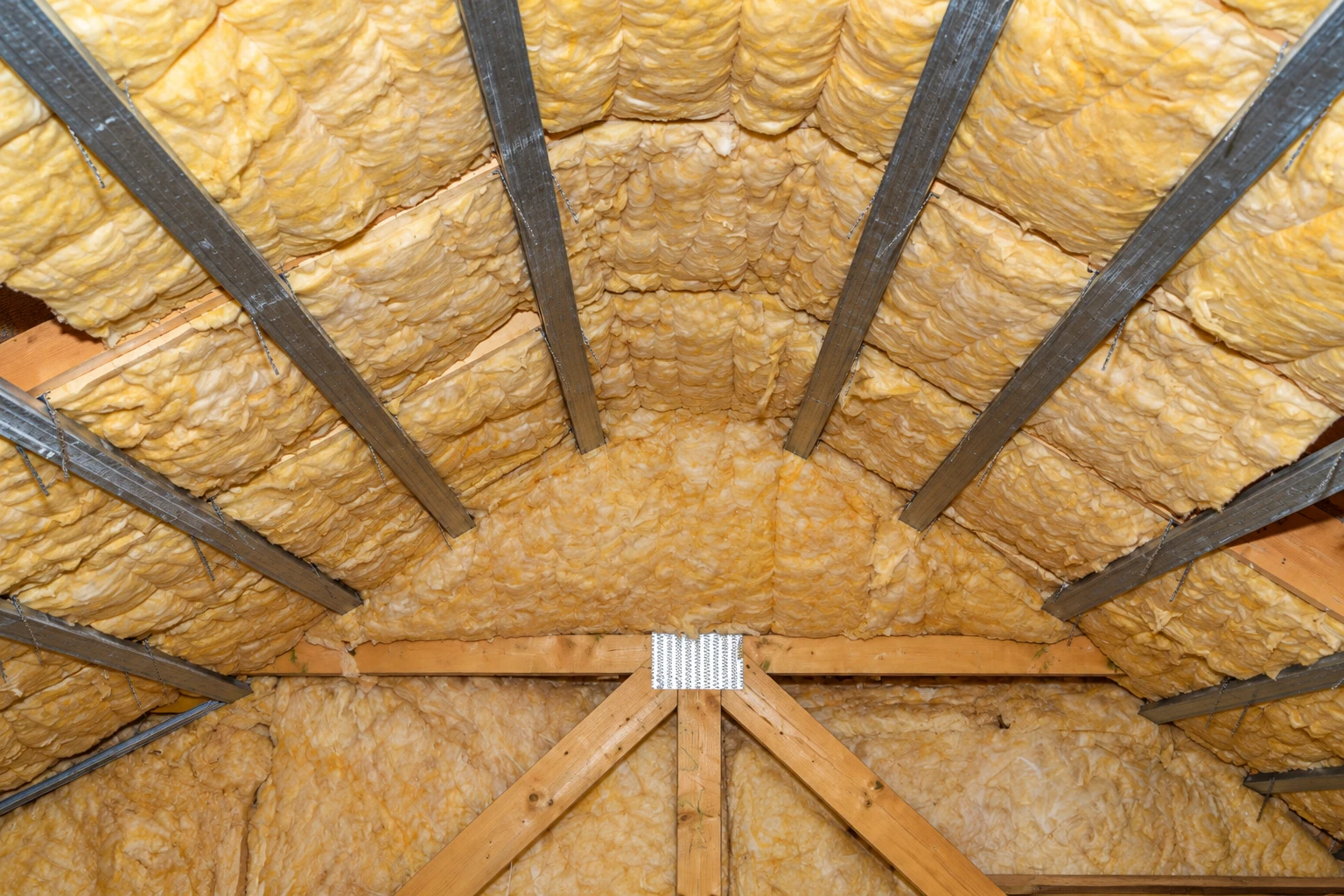
Bare dirt with no cover
Plenty of older crawl spaces were left as open dirt, as if whoever built them figured dirt counts as a floor. Covering it is usually the first fix down there.
Bare dirt, a musty smell or torn plastic in the crawl space? We cover the ground so less moisture rises into your house.
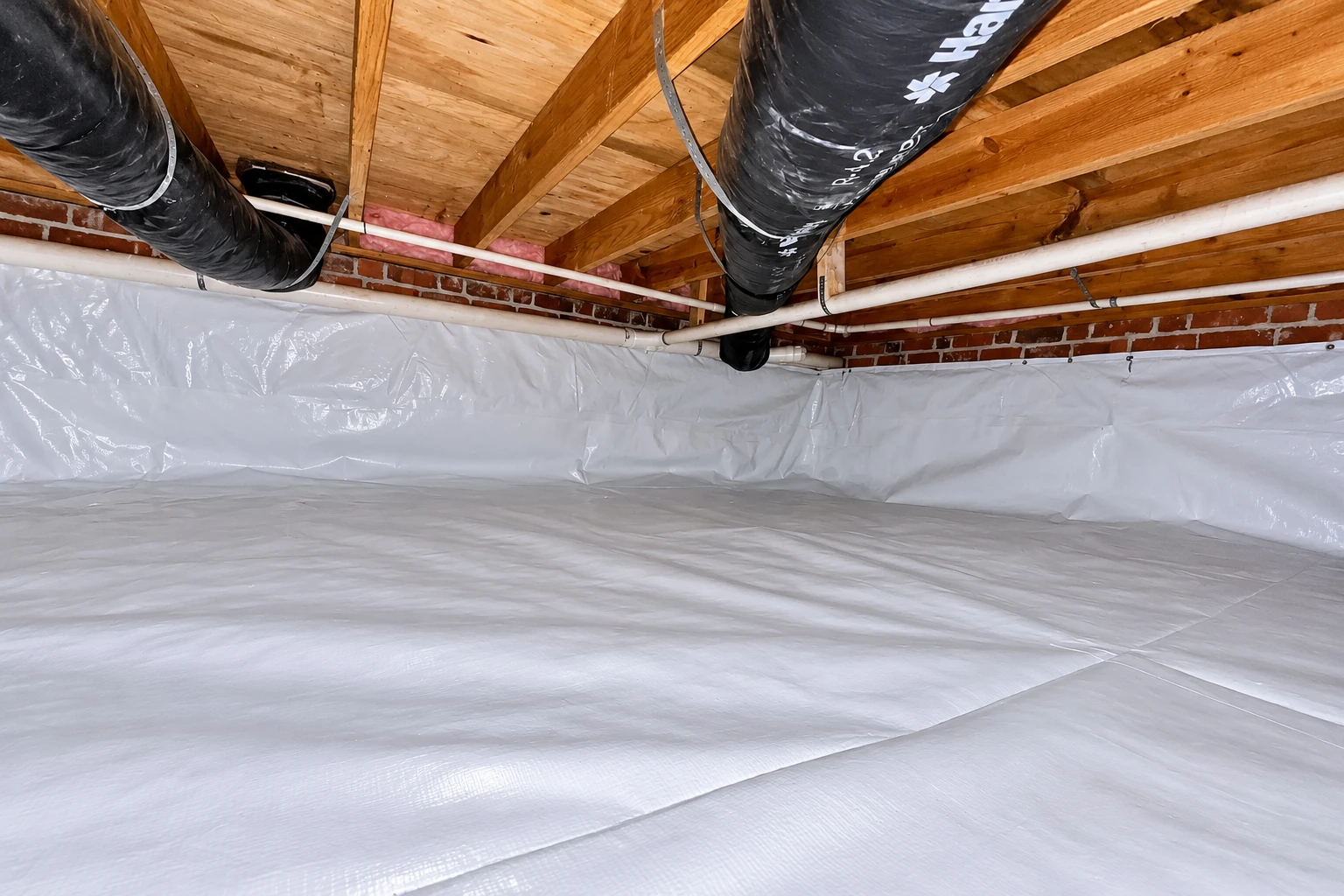
Vapor barrier installation in Springfield, IL puts a plastic ground cover over your crawl space floor. When it's put in well, it helps cut down the ground moisture and soil gases like radon that rise from the dirt into your house.
Usually something under the house isn't right, and the plastic someone threw down years ago, if there is any, isn't helping. The price mostly comes down to the size of the space, how much wall and how many posts the liner has to run up, and whether water or stored stuff has to be dealt with first. The schedule turns on whether the space is dry and cleared out, and on permits, since rules differ from one city office to the next. We check with the office that covers your address, which in Springfield is the city's Building Division, and if a permit is needed, we take care of it. I come out, look the space over and give you a price for your house, and we're licensed and insured.
I come out for every estimate and look over the space myself before we put a number on it, because the price depends on what's down there, not on a guess over the phone.
I spent years doing upkeep for a property management company, crawling into spaces nobody else wanted, and started this business in 2017 to do those jobs the right way.
Our crew does the install, and I'm on most jobs or checking them before we leave, so a gap at a post or a loose seam gets caught while we're still there.
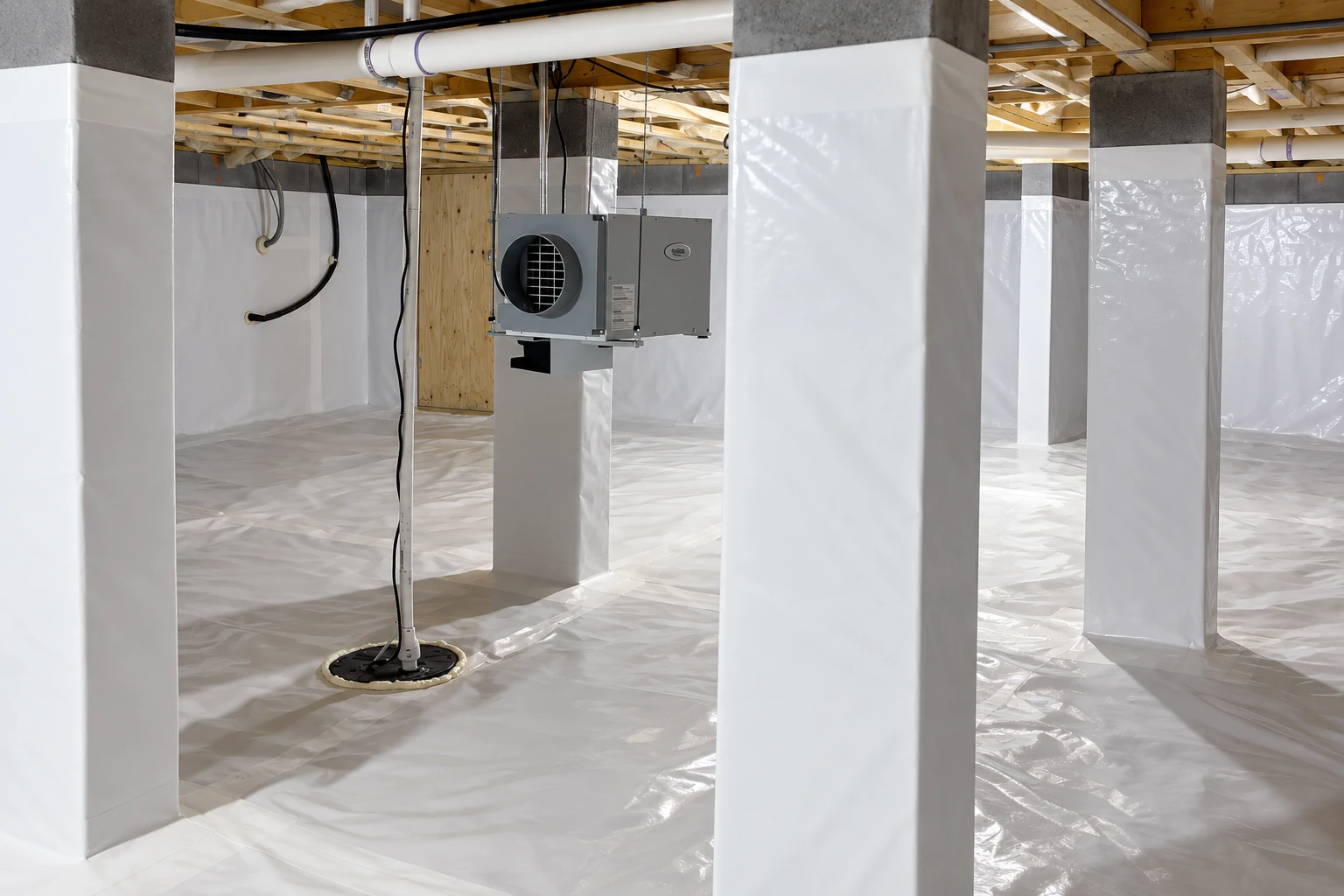
The first thing we talk about is water, because if it's standing on the dirt, plastic laid over it just hides it for a while, and I'd rather we sort that out first or tell you to wait than sell you a liner that won't hold up. Then we look at the liner you've got, if any, and repair it when it's worth saving instead of tearing out good material. Once the ground is cleared, our crew lays the new liner across the whole floor and runs it up the walls and around the posts, not just across the dirt, because a sheet that stops at the edges leaves moisture a way around it. Seams get overlapped and sealed so the cover works as one piece.
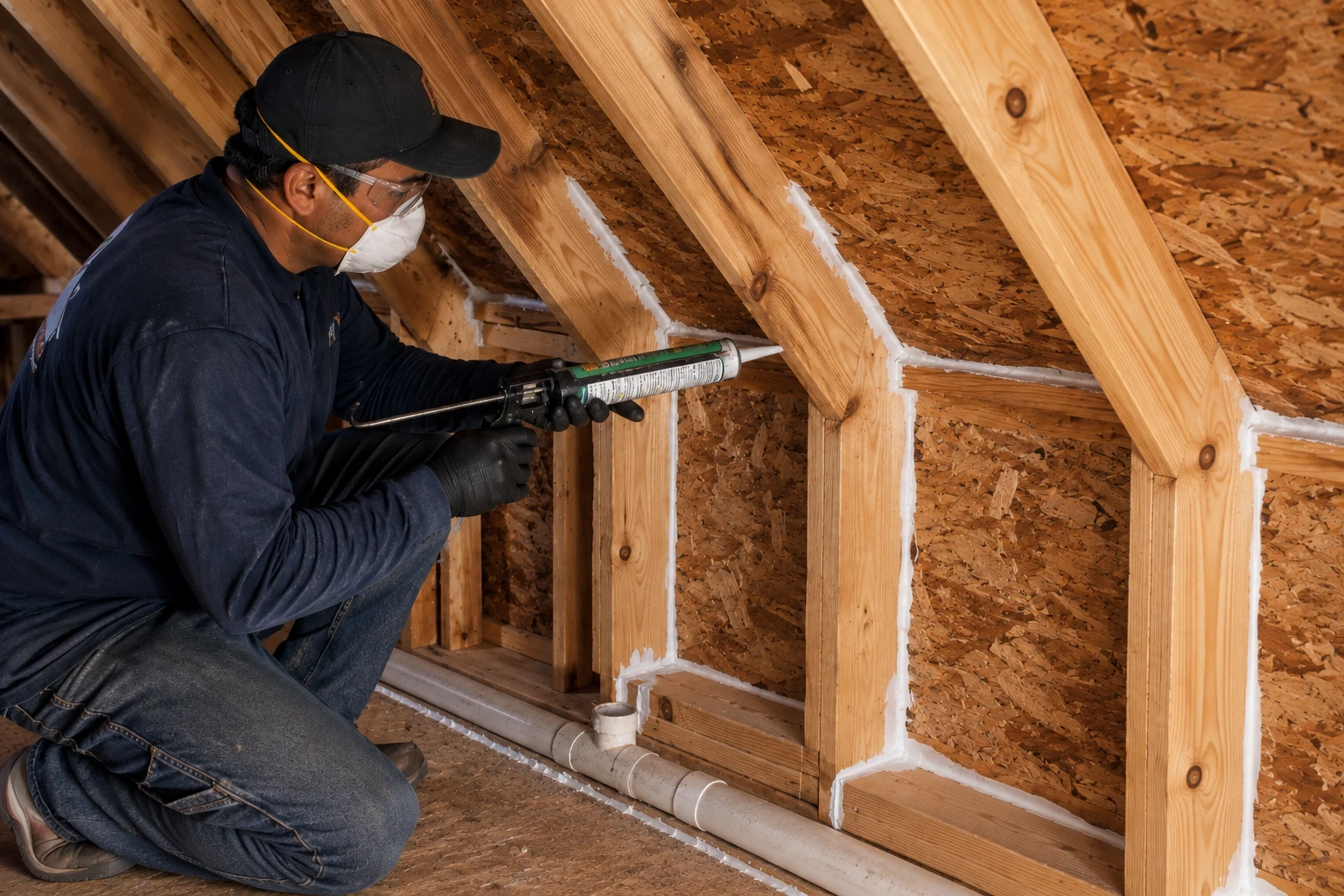
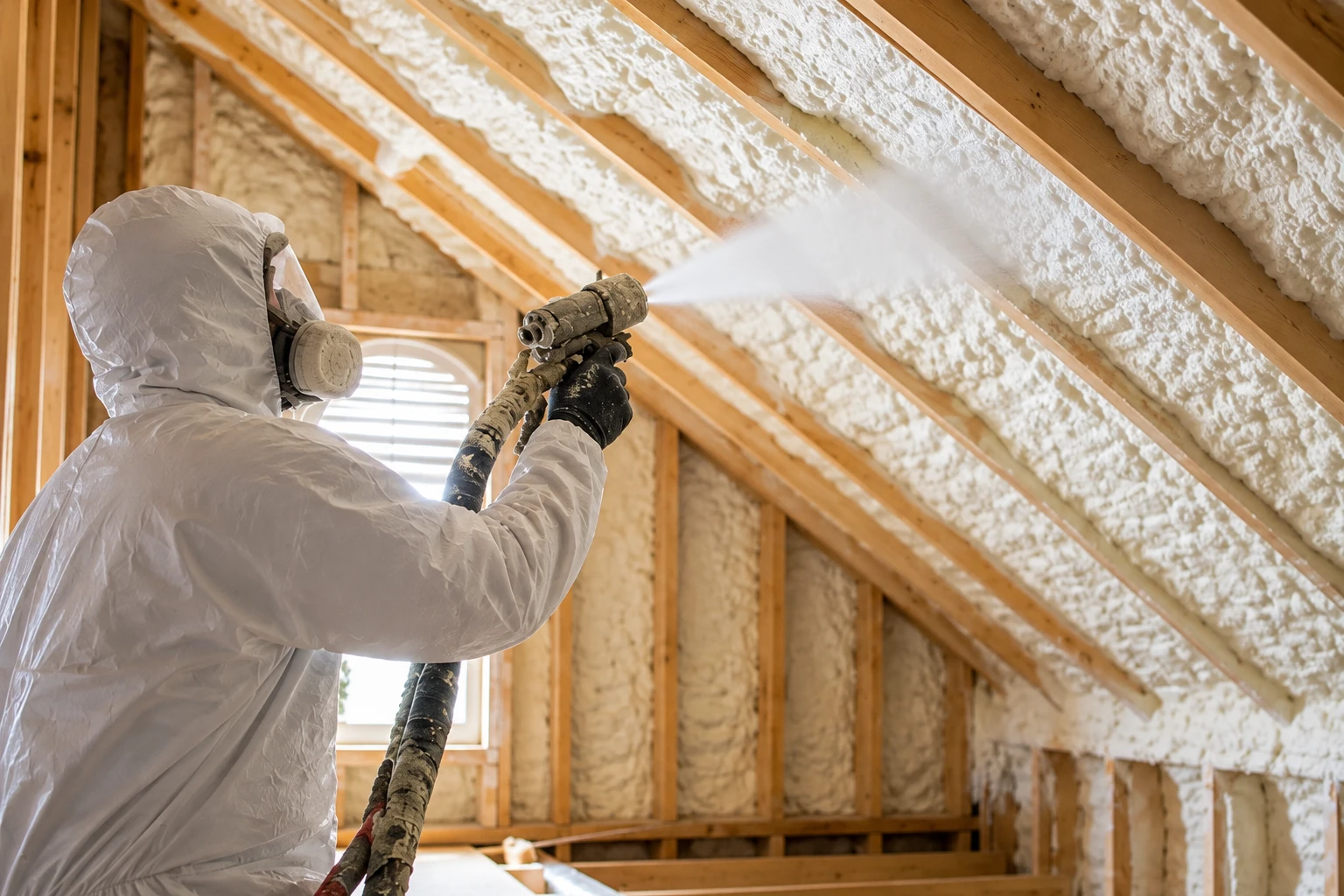
A dry crawl space is often the start of a bigger fix, not the end of it. If the rooms above still feel drafty or cold, retrofit insulation adds insulation to a house that's already built, and it does more good once the moisture underneath is handled. Warm air escaping through the top of the house draws air up from below, so attic air sealing closes those gaps and works alongside the liner.
Plenty of older crawl spaces were left as open dirt, as if whoever built them figured dirt counts as a floor. Covering it is usually the first fix down there.
A sheet that's ripped, pushed into the corners or never reached the walls isn't doing much, and it's usually why a crawl space still smells damp after it was supposedly covered.
A damp, musty smell in the house often traces back to the crawl space, since air from down there drifts up into the rooms above.
If you're planning more insulation under the house, the liner goes first, because insulation over a damp crawl space just hides the problem for a while.
Send the form and we'll reply within one business day to set a time. I come out, look over your crawl space and give you a free estimate, with no obligation to book.
A rough length and width of the crawl space, or of the part of the house above it, gives us a head start on how much liner and wall we're talking about.
Tell us if you've seen water on the floor, especially after a storm, because that changes what happens first and sometimes whether the liner should wait.
Mention any equipment or stored boxes. Equipment changes which liner makes sense, and stored things have to come out before we start so the liner can cover the ground completely.
These example photos show liner thicknesses, liners turned up walls and around posts, and seam layouts you can point to at the estimate.
The questions we hear most about liners, coverage, water and radon, answered the way I'd answer them standing at your access hatch.
I can't give you a fair number until I've seen the space, because size and how much wall and post the liner wraps set most of it. A thicker reinforced liner costs more than thin plastic, patching a sound old liner usually costs less than replacing it, and closing off vents or adding a sump adds work. The estimate's free.
All of it, or as close as you can reasonably get. Federal energy guidance calls for full floor coverage with the liner running up the walls, posts and footings, the wide concrete bases they sit on. When you compare bids, ask whether each plan covers the full floor and turns up every wall and post.
The same guidance calls for plastic at least 6 mil thick, so that's the minimum to look for. Thicker, reinforced liners are more durable, and they make the most sense along the path a tech crawls to service a furnace, ducts or water heater, because thin sheet needs protection there. Ask each bidder which thickness they're quoting.
It's worth weighing, because research and real installations show a properly closed crawl space can control moisture much better than a standard vented one in temperate-humid climates. It's a bigger job than a liner alone, and extras like a humidity monitor, a water alarm and a repair kit for small tears are worth asking about. We'll go over whether it suits your house.
Not onto the street, sidewalk or curb. Springfield's ordinance doesn't allow it, since the water can ice over in freezing weather, and you could be liable if someone gets hurt. If water seeps in under the walls or groundwater rises after storms, a sump in the low spot can carry it off, so where it drains is worth settling before the liner goes down.
Radon testing and mitigation in Illinois are done by professionals licensed through the Illinois Emergency Management Agency and Office of Homeland Security, which licenses and regulates that work. A liner helps reduce radon rising from the soil, but if your test reads 4.0 pCi/L or higher, the level where the state and the EPA both recommend action, call a licensed radon pro.
We're open seven days a week and work across central Illinois from Springfield, so call (217) 210-0709 or send the form.