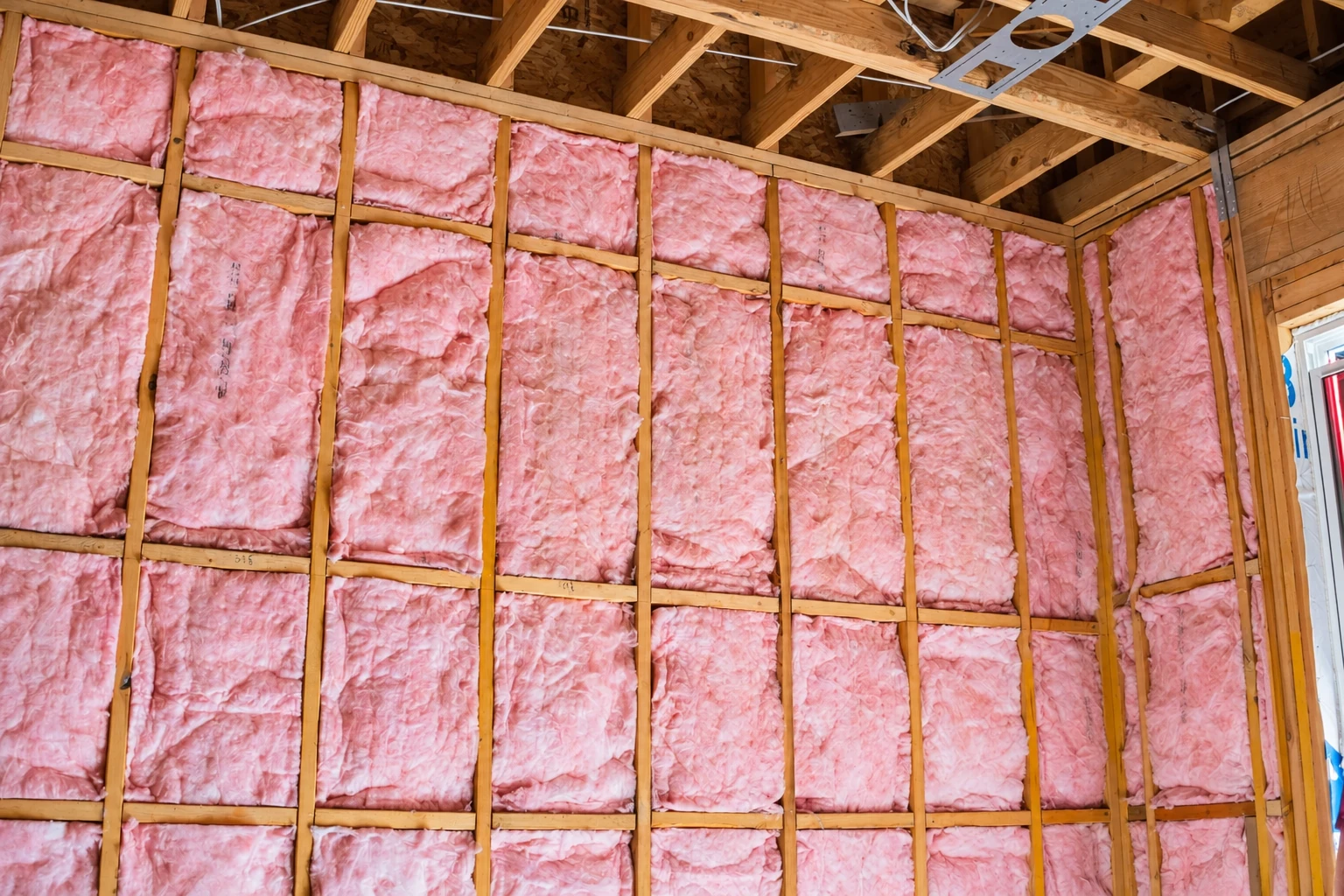
It got wet or moldy
Insulation soaked by a roof leak or a damp crawl space holds water against the wood, and mold can follow. It comes out, but only after the water stops coming in.
If your attic insulation is soaked, matted or full of droppings, we vacuum it out and seal what it was hiding so the new layer works.
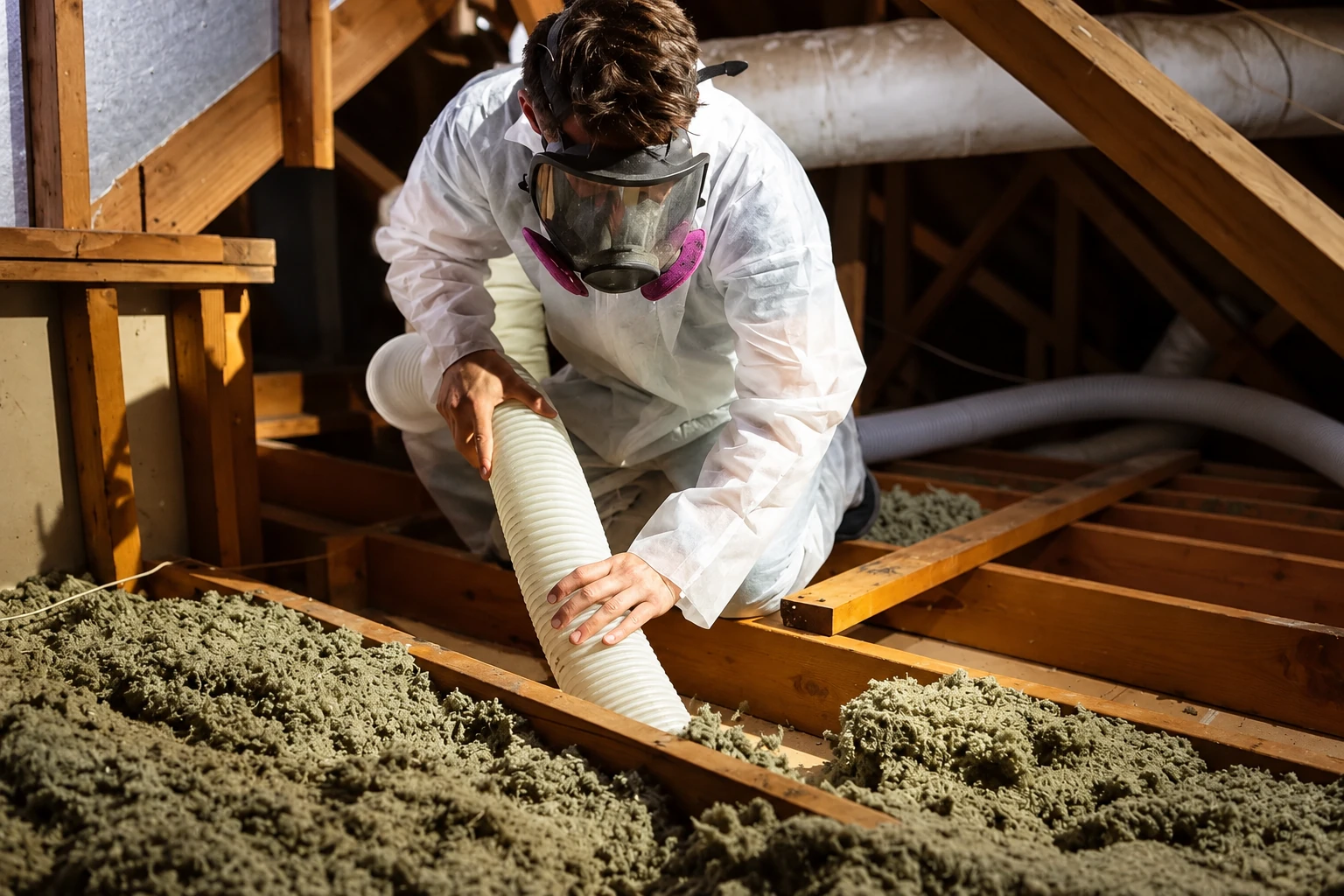
Insulation removal in Springfield, IL means vacuuming old blown-in or loose insulation out of your attic, walls or crawl space into bags, so the space is bare and any problem underneath is out in the open before new insulation goes in.
Most calls start with a musty smell, a stain on the ceiling or mice that keep coming back, and the question is whether the old stuff can stay. The price mostly comes down to how big the space is, how deep and dirty the old layer is, how hard it is to reach, and whether sealing and new attic insulation are part of the same job. The schedule turns on the same things, plus anything that has to be fixed first, like a roof leak, so I come out, look over the space myself and price what's actually up there.
I come out for every estimate and look over the space myself, because an attic full of droppings and an attic full of dust don't cost the same to clear.
Once the floor is bare, we seal the gaps around lights, pipes and the hatch, since new insulation laid over open gaps just ends up fighting a draft all winter.
If the roof still leaks or the crawl space is still wet, I'll say so and hold off, because insulation laid over a live leak only hides it for a while.
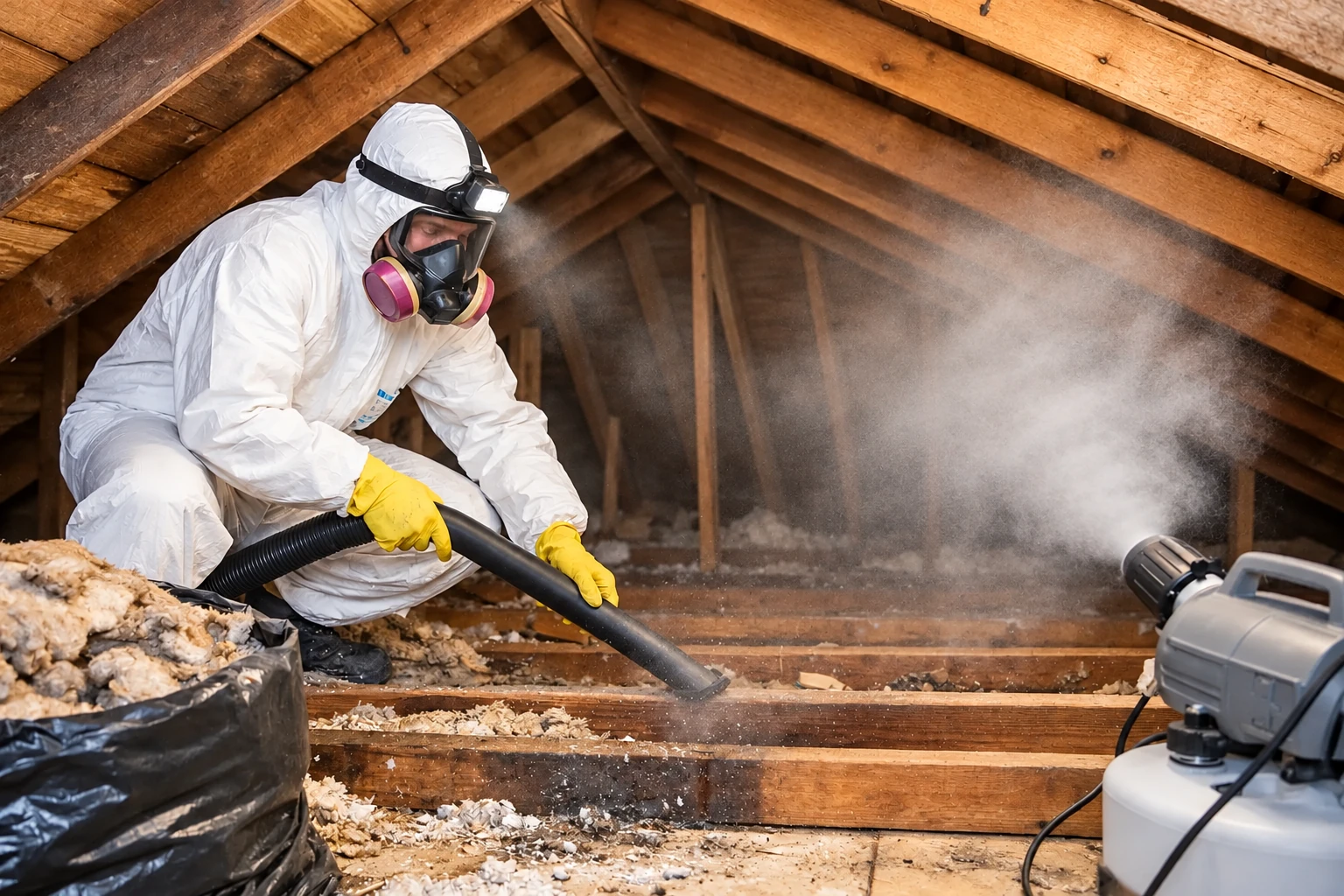
I start by looking at the insulation without disturbing it, so we know what's up there before anyone opens a hose. Our crew covers a path from the door to the hatch, runs a high-suction vacuum hose into the attic and pulls the old insulation out into large filter bags that come down sealed. With the floor bare, we can finally see the gaps around can lights, pipes, wires and the hatch, so we seal those, clear any eave vents that got buried, and only then lay new insulation, full depth all the way out to the edges, which is the part most attics get backward. I'm on most jobs, or I check the attic before we pack up. If the old fill looks like vermiculite, we stop right there, and the questions below explain why.
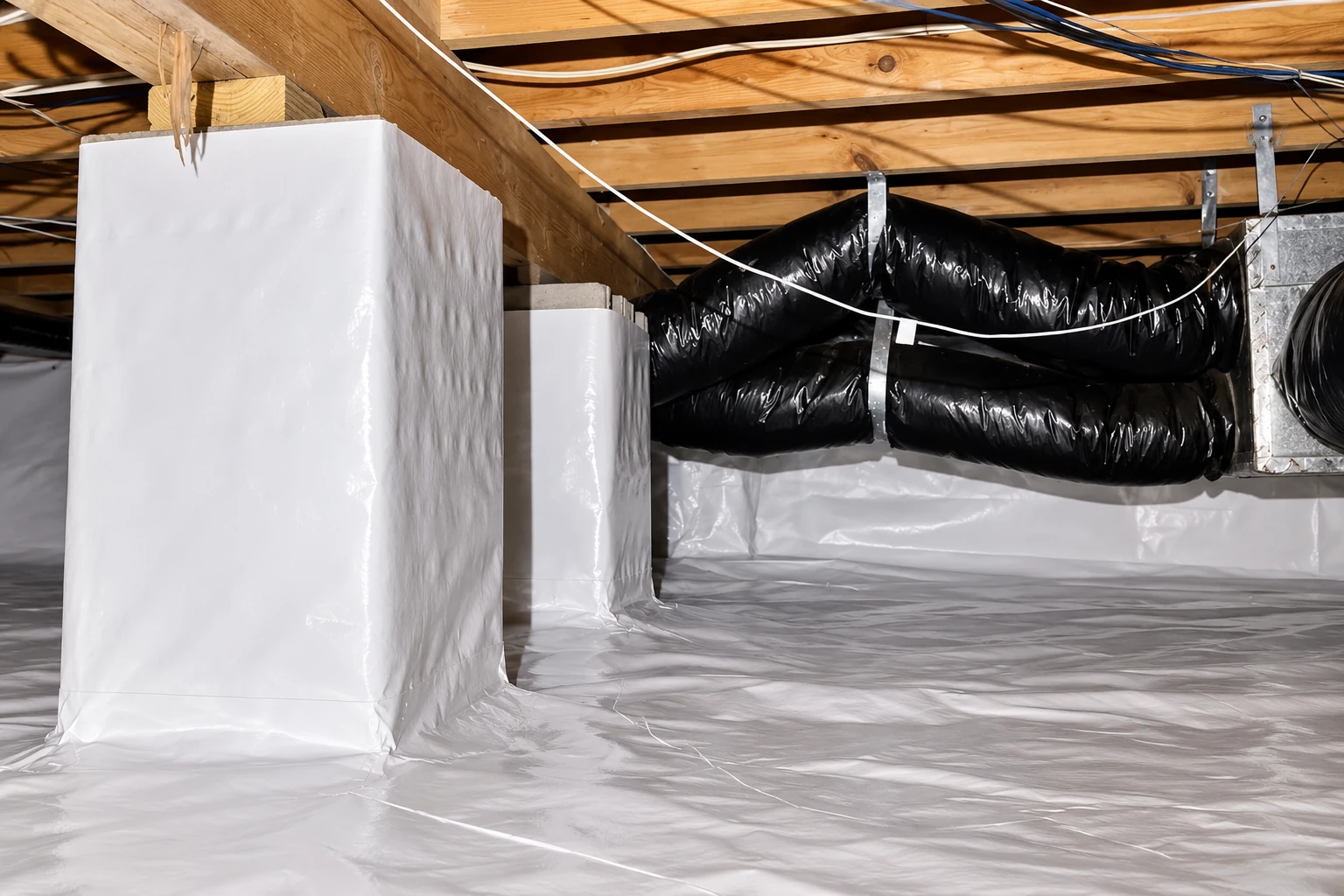
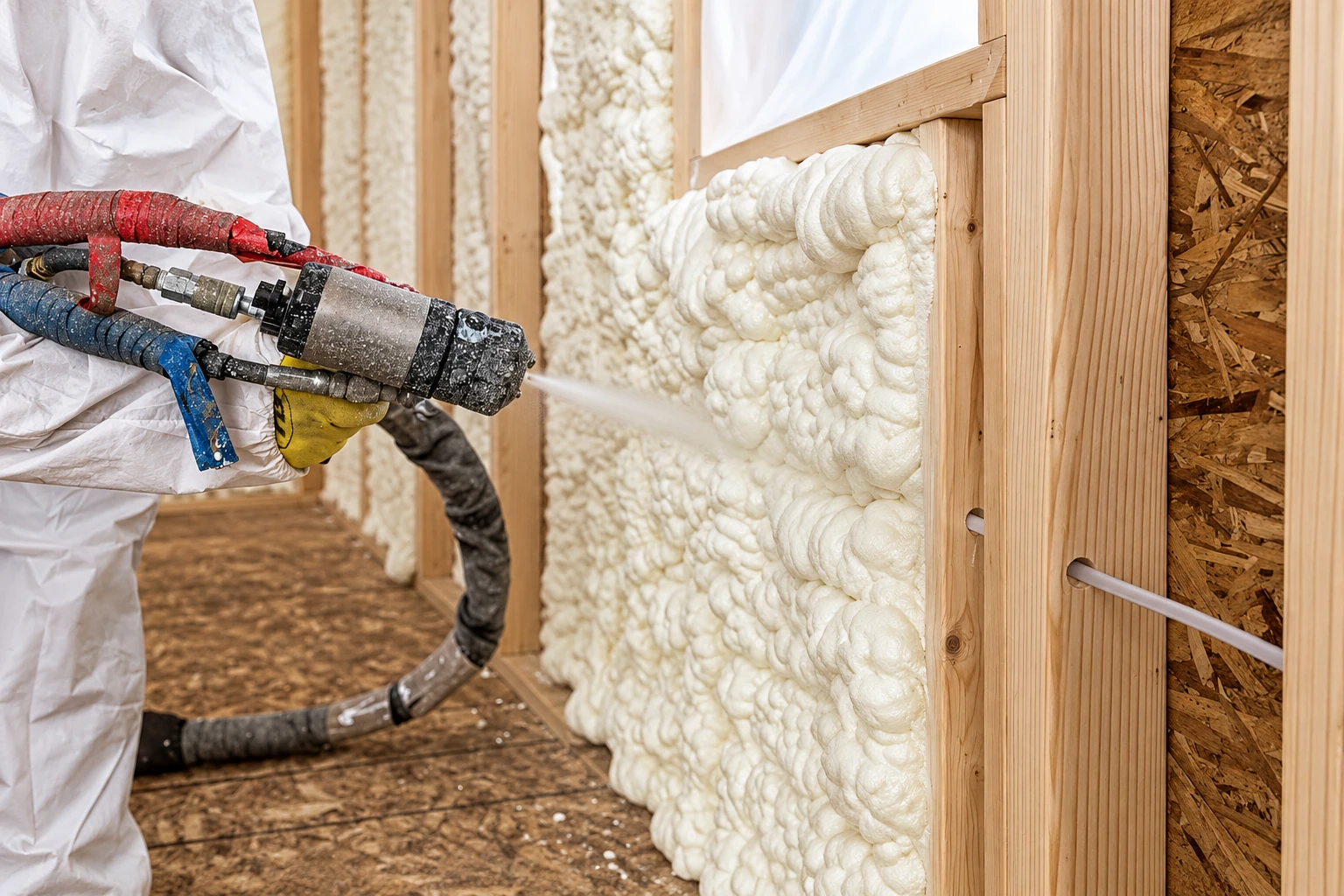
The same vacuum reaches into crawl spaces, where loose insulation that got wet or became a nest has to come out before crawl space insulation can do any good. Old loose fill comes out of wall cavities too, which clears the way for wall insulation that fills the whole cavity instead of slumping to the bottom.
Insulation soaked by a roof leak or a damp crawl space holds water against the wood, and mold can follow. It comes out, but only after the water stops coming in.
Mice, squirrels and raccoons leave nests and droppings all through loose fill. Laying new insulation on top just buries the mess and the smell under a fresh, more expensive layer.
Fire and smoke leave insulation scorched and smelling, and it won't slow heat the way it should. Pulling it out also lets us see the framing it was sitting on.
If the old layer has been up there since the house was built, nobody has seen the attic floor in years. Taking it out shows stains, gaps and damage before you pay for new insulation.
Send the form and we'll reply within one business day to set a time. I come out, look over the space and give you a price, free and with no obligation to book.
A rough square footage for the attic, or for the house if that's easier, helps me plan the visit and gives us a starting point before I see the space.
Ceiling stains, droppings, a musty smell or old smoke damage all change what the job involves, so mention whatever you've seen or smelled up there when you reach out.
We've done this work since 2017, licensed and insured, and it's satisfaction guaranteed. You can also reach us at (217) 210-0709 if you'd rather talk it through first.
These photos show bare attic floors, bagged material and fresh blown-in layers, the kinds of finishes and layouts we can talk through at your estimate.
Straight answers on what removal costs, how long it takes, permits in Springfield and what to do if you find vermiculite.
Attic insulation removal across the US usually costs about $1 to $2 per square foot, which is the going rate, not our price, so attic size drives most of it. Quotes often differ on hauling the bags away, air sealing and cleaning a dirty attic floor, and one cost guide suggests asking each contractor to price those as separate lines.
One cost guide puts attic insulation removal anywhere from about 4 hours to 2 days or more, depending on the attic's size and how complicated the job is. Tight access, deep old layers and a dirty floor push it toward the long end. I'll tell you what to expect for your attic once I've seen it.
Leave it alone. The EPA recommends not disturbing vermiculite, because it can release asbestos fibers you'd breathe in. It looks like pebbly pour-in fill, usually gray-brown or silver-gold, so look without touching. If you choose removal, the EPA says a trained, accredited asbestos abatement contractor should do it, separate from whoever looked it over.
A contractor licensed for asbestos abatement, because the Illinois Department of Public Health requires every contractor doing that work to be licensed and insured. We're licensed and insured as an insulation contractor, but abatement isn't work we do. The EPA also advises making sure the workers are trained and accredited, since federal law leaves that optional in single-family homes, though some states and local governments require it.
Springfield's permit list doesn't name insulation removal, so it doesn't settle the question. The city's Building & Zoning Department issues permits, and its list covers work like building, demolition, roofs and fences. We check with the office that covers your address before we start, and if a permit is needed, we take care of it.
Call (217) 210-0709 or use the form after work, since we answer until 11 PM on weeknights and 10 PM on weekends.