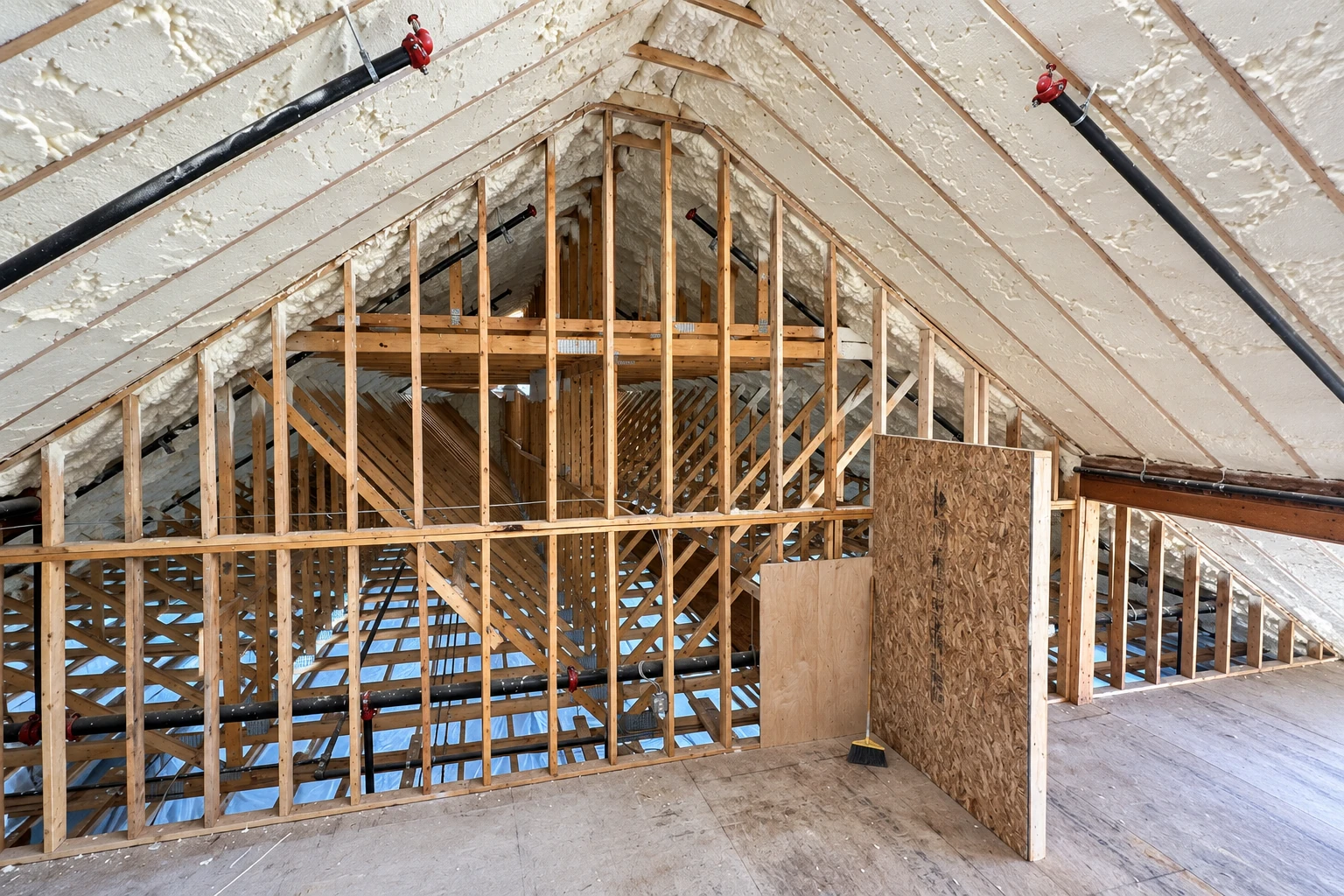
The attic floor and hatch
Light fixtures, pipes, wiring holes and the tops of interior walls all open into the attic, and so does a hatch with no seal on it. Warm air rises out through all of them every winter.
Drafty rooms, a hot upstairs or a climbing power bill? We find the hidden gaps and close them so your house holds its temperature.
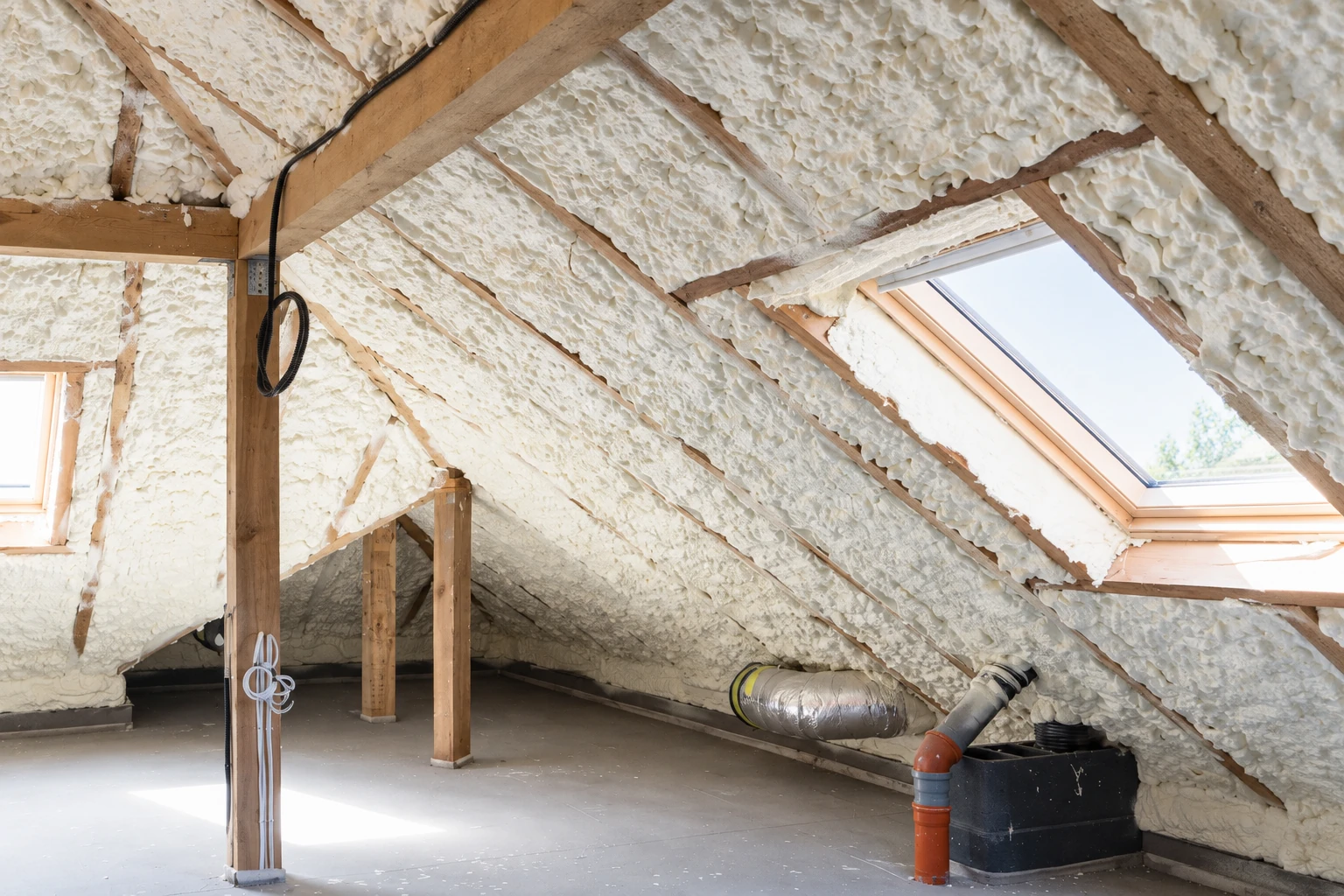
Air sealing services in Springfield, IL close the gaps in your attic floor and around the house that let outside air in and let the air you've paid to heat or cool leak out, so less of what you pay for escapes through the ceiling.
If the upstairs bakes all summer, the room over the garage never warms up or the floors stay cold all winter, the window usually isn't the problem. The air is getting out through gaps you can't see from inside, most of them in the attic. The price depends on how many of those gaps there are, how easy your attic is to get into and move around in, and whether old insulation has to come out first because it's soaked or full of droppings. The schedule mostly depends on whether something like a roof leak has to be fixed before we seal. I come out, look over the space and price the job from what's actually up there.
I come out for every estimate myself and look over the attic and crawl space before we price anything, because the leaks that matter usually aren't the ones you can see from the hatch.
Sealing or insulation laid over a problem just hides it for a while. If your attic isn't ready, I'll say so and tell you to wait instead of selling you a job that won't hold up.
We're licensed and insured, and we've been doing this since 2017. Our crew does the install, and I'm on most jobs or checking them before we pack up.
We start by finding where the air is moving. In an attic that usually shows up as dark, dusty streaks in the insulation where air has been filtering through it for years. Whoever wired your attic usually drilled plenty of holes and sealed none of them. We move the insulation aside at each spot, close the small gaps with caulk or foam, block off the bigger openings and weatherstrip the hatch, since an unsealed hatch is a hole in the ceiling with a lid on it. We keep the eave vents at the edge of the roof clear the whole time, because an attic that can't breathe ends up with moisture in the framing. If a gas or oil furnace or water heater vents on its own, we'll want it checked before we seal and again after. Then the insulation goes back level, as deep at the edges as in the middle, and we clean up.
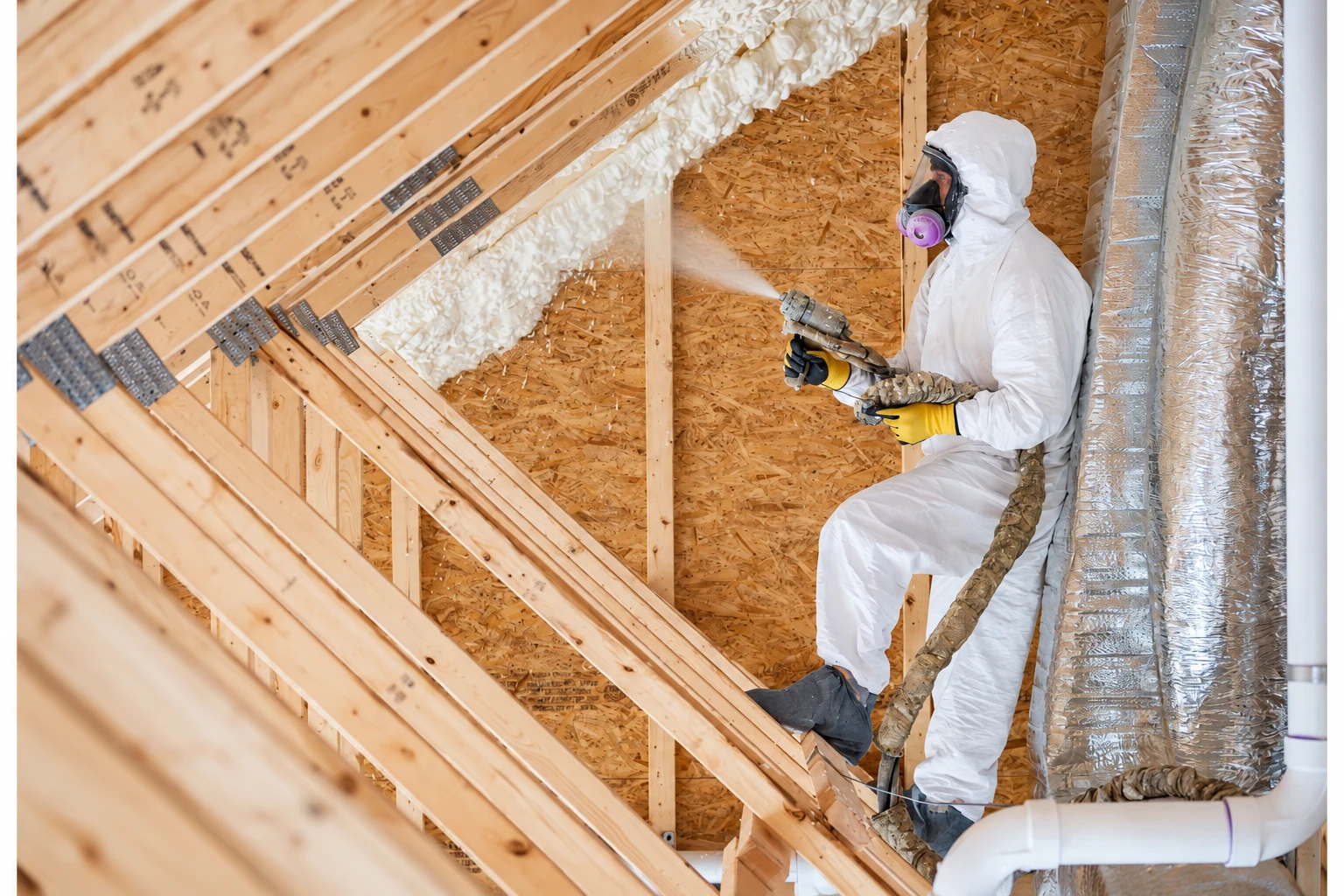
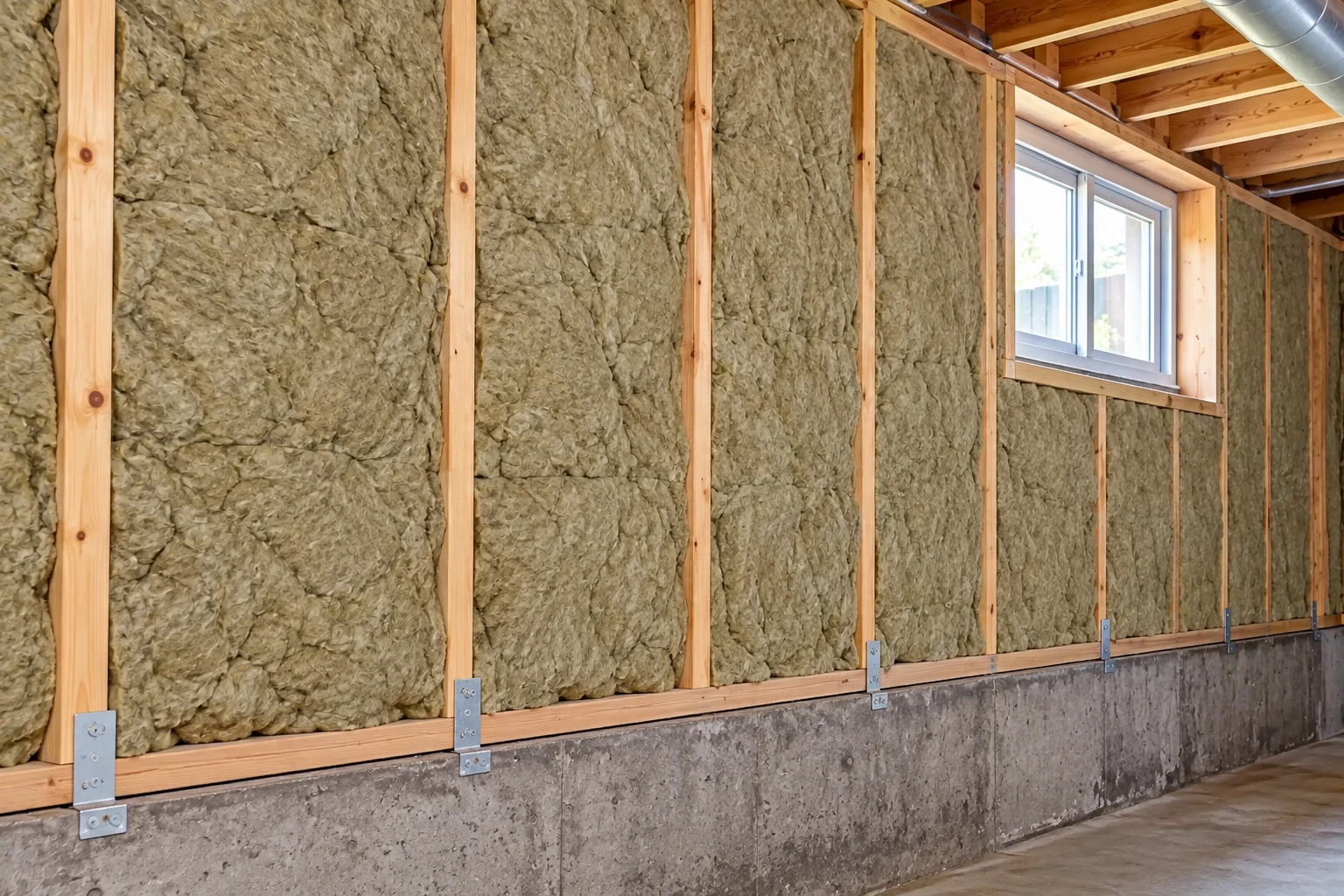
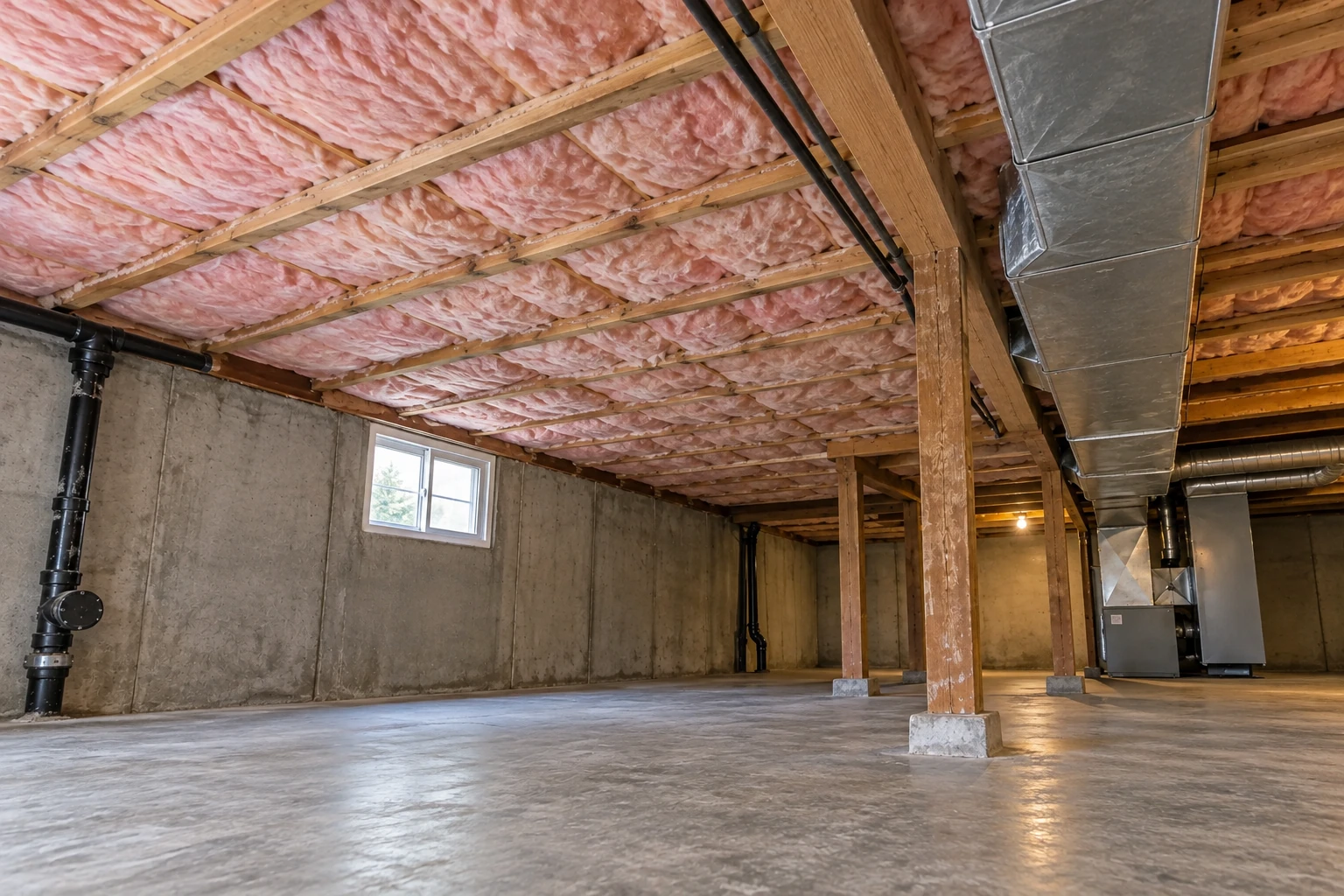
Most houses need more than sealing, and the order matters. Foam costs more and seals air while it insulates, but in most attics closing the gaps and then topping up with blown-in insulation, loose fill blown in through a hose, does the job for less. The exception is ductwork in the attic, where closed-cell foam insulation, a dense foam that also blocks moisture, sprayed under the roof can be worth the extra cost. Downstairs, the framing that sits on top of the foundation leaks plenty of air, so we often seal it as part of basement insulation.
Light fixtures, pipes, wiring holes and the tops of interior walls all open into the attic, and so does a hatch with no seal on it. Warm air rises out through all of them every winter.
That room sits over a space that gets as cold as outside, and the floor and the wall where it meets the house are rarely sealed well. That's why nobody wants that room in January.
Air pulled up from a crawl space or around the top of the foundation shows up as cold floors. Sealing down there stops the draft at the bottom of the house instead of chasing it upstairs.
The same gaps that let heat out in winter let attic heat in all summer. A hot upstairs bedroom usually has an attic problem, not an air conditioner problem.
Send the form and we'll reply within one business day to set up a visit. I come out myself, look over the space and give you a free estimate, with no obligation to book.
A hatch, pull-down stairs or a closet panel each change how we work up there. If you know roughly how many inches of insulation are already down, that helps too.
A furnace or water heater that burns gas or oil and vents on its own needs the before-and-after check, so it's good to know about it before I come out.
If you've had a home energy audit, keep the report nearby. It shows where the leaks turned up and gives us a head start when I look over the space.
These photos show sealed attic floors, weatherstripped hatches and foam around pipes, the kinds of details worth talking through when I come out.
The questions people in Springfield ask before sealing an attic, answered the way I'd answer them in your driveway.
It likely is if you have drafty rooms, rooms that run warmer or colder than the rest, high heating or cooling bills, ice dams or dry air in winter, or dust showing up in the rooms under the attic. Those are the usual signs air is leaking through the attic. Note which ones you've got and mention them when you call.
Yes, seal first. Before more insulation goes into an existing vented attic, every opening in the attic floor should be closed with sealant, foam or blocking, because once the new layer is down those gaps are buried and still leaking. If you're planning attic insulation, you can book the sealing as the first part of the same job.
Wet insulation from a roof leak, moldy or rotted framing, and bath, kitchen or dryer vents blowing damp air into the attic should be fixed by a pro first, or the sealing just hides the problem. Flaky gray vermiculite fill may contain asbestos and should be tested by an approved lab before anyone disturbs it. If I find any of these, that step comes first.
It can be, as long as those appliances get checked. In some houses, sealing can make a gas or oil furnace or water heater that vents on its own push exhaust back into the living space, which isn't safe. That's the before-and-after check I mentioned above, and ENERGY STAR suggests having a Home Performance Contractor do the testing.
Yes, if you own or live in a Springfield home with City Water, Light and Power electric service. The utility's home energy audit takes about two hours in an average house. It checks insulation, caulk, weatherstripping, doors and windows from attic to basement, then runs a blower door test, a big fan that pulls air out so the leaks show. Check with the utility for current terms.
There can be. CWLP's Helping Homes program starts awarded applicants with an energy audit, and the work after it can include caulking, weatherstripping and insulation at no cost to them, done by contractors CWLP Energy Services approves. Many Illinois utilities offer free or discounted audits and may give rebates for sealing. Ask your utility if you're outside Springfield, since we work across central Illinois.
Call (217) 210-0709 or use the form, because once I've seen your attic you'll know whether sealing alone will do it.