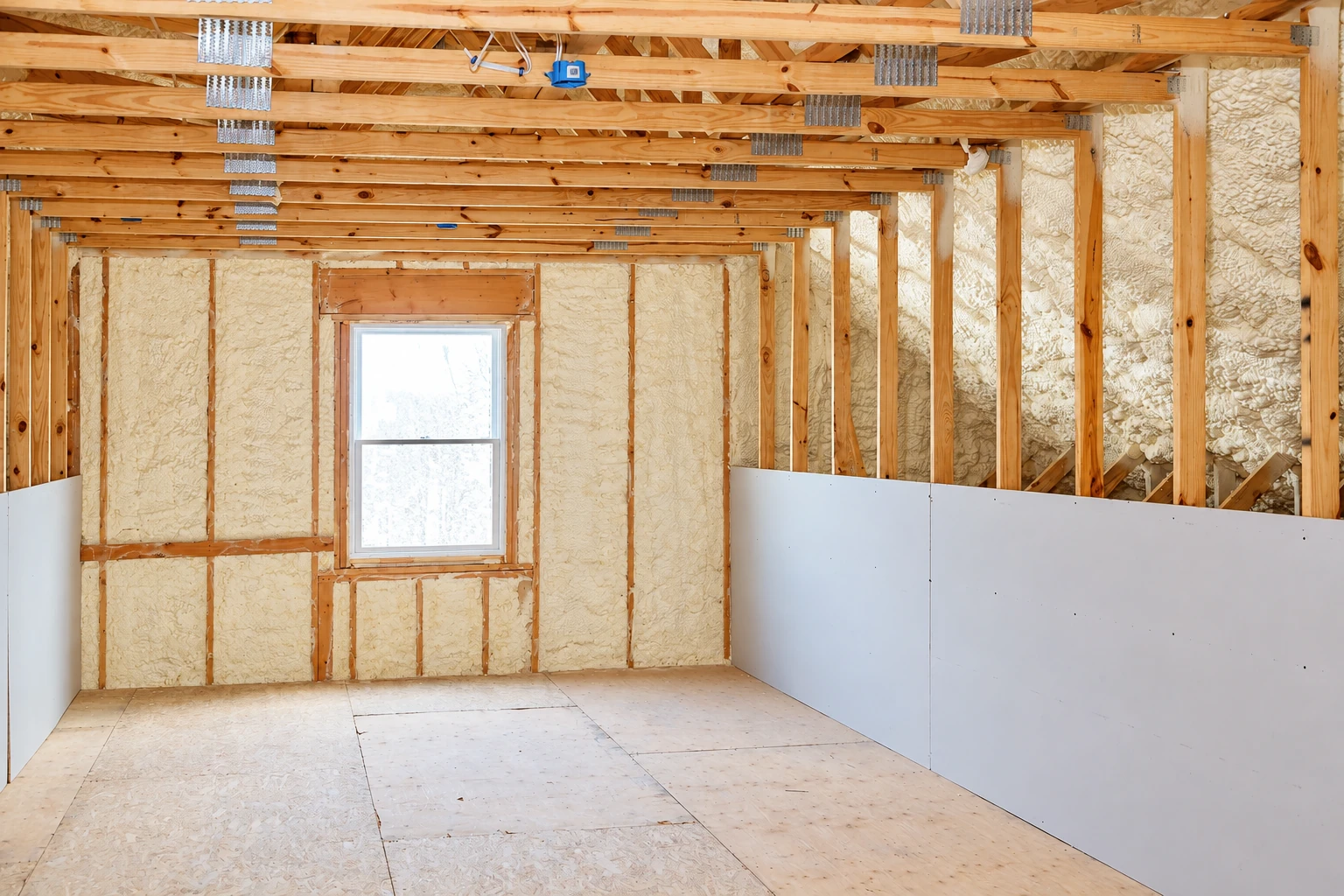
Attics with a few inches left
Plenty of older houses have a thin, settled layer up there, or close to nothing. We measure what's there and add to it rather than tearing out insulation that's still dry and clean.
If the upstairs runs hot and the floors run cold, we check the attic, seal the gaps and bring the insulation up to depth.
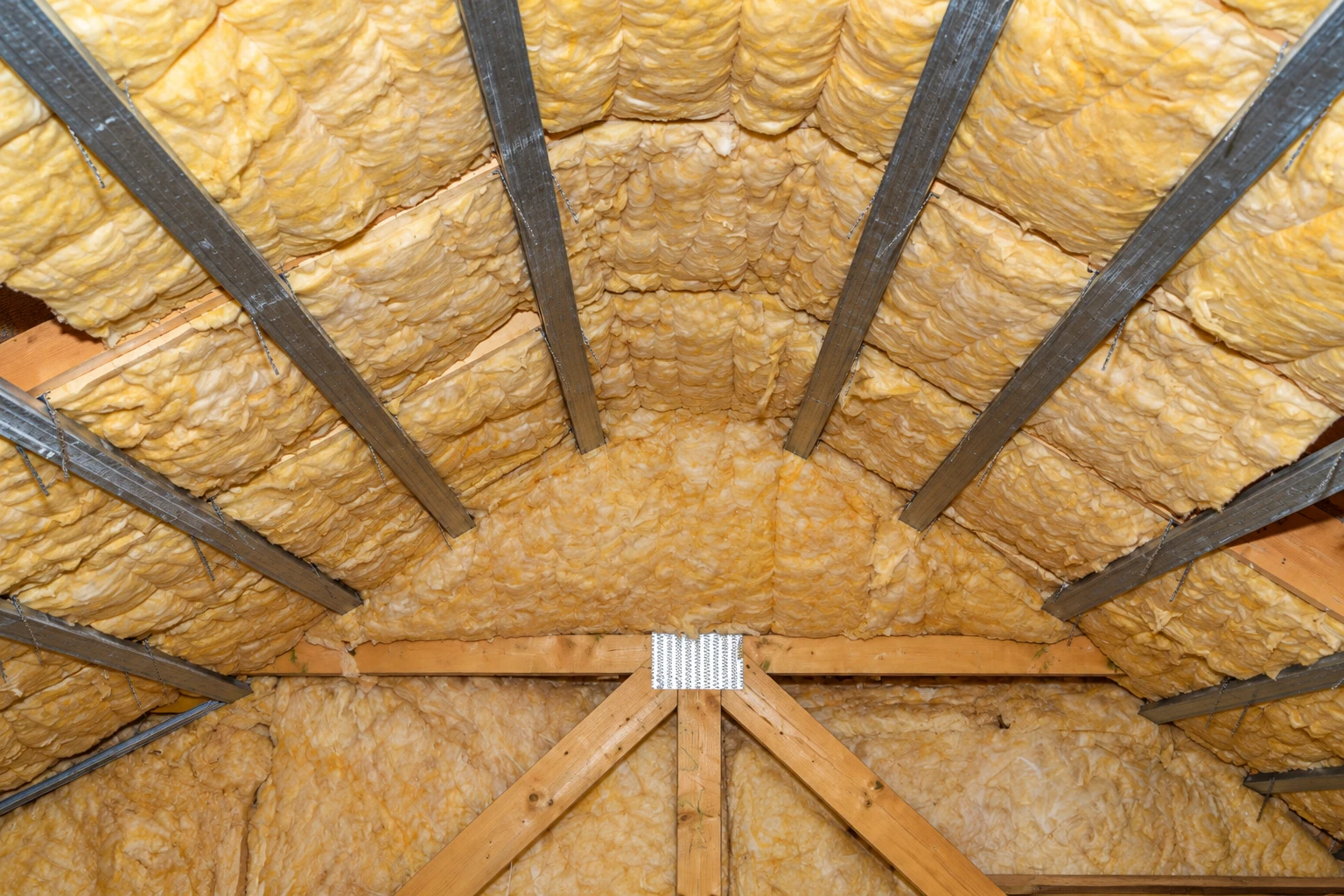
Retrofit insulation in Springfield means adding to the thin, settled insulation an older house already has, or pulling out what's ruined and starting over, so the rooms under it hold heat in winter and stay cooler in summer.
If the upstairs bedrooms bake in July, the floors stay cold in January and the power bill keeps climbing, the attic is usually the first place I look. The price turns on how many inches are already up there, whether the old stuff can stay, how many gaps need sealing and which material fits, and the schedule turns on whether a roof leak, old wiring or a bath fan has to be dealt with before we start. You get your own figure after I've looked at the space. We're based in Springfield and work across central Illinois, including Chatham, Decatur, Taylorville, Lincoln, Jacksonville and the cities around them.
I come out for every estimate myself and get into the attic before we put a number on it, so the price fits what's really up there and not a guess from the street.
Insulation laid over a roof leak or a damp spot just hides it for a while. If your attic isn't ready yet, I'll tell you, and we'll start once it is.
Our crew does the install, and I'm on most jobs or checking them before we pack up, so thin edges and buried vents get caught while we're still there.
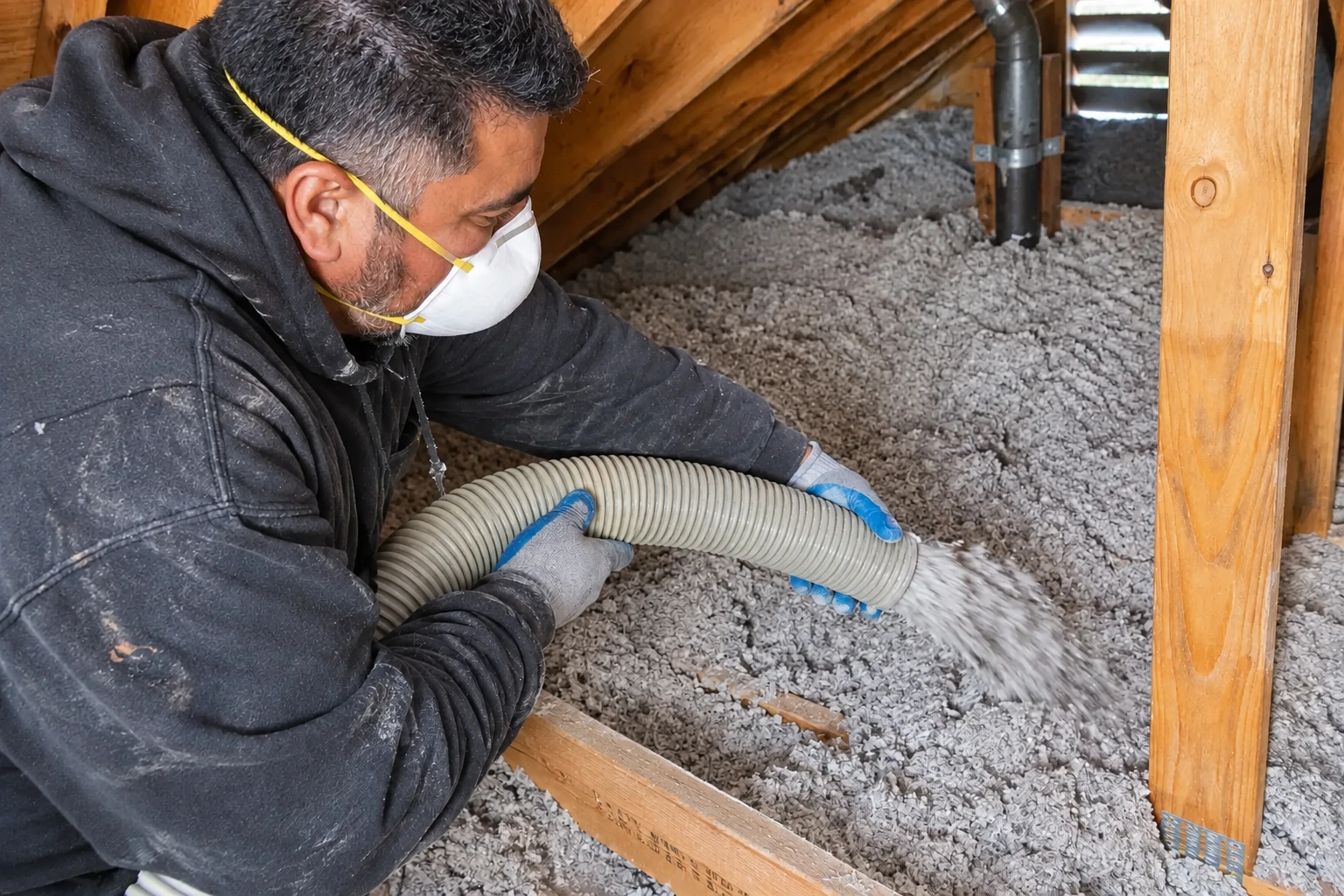
Older houses need the most and hide the most, so I start by looking for old wiring, roof leaks and bath fans dumping into the attic, since all three get sorted out before anything gets covered. Then we check what's already there, how many inches and whether it's dry and clean, because fresh material over insulation that's been soaked or full of droppings just keeps the problem. Anything ruined comes out. Next comes air sealing, which means closing the gaps around can lights, pipes and the hatch so the new insulation isn't fighting a draft. We keep the vents at the eaves open so the attic can still breathe, then blow in loose fill through a hose and carry it full depth out to the edges. Whoever did it last usually piled it deep in the middle and left the edges thin, which is backward.
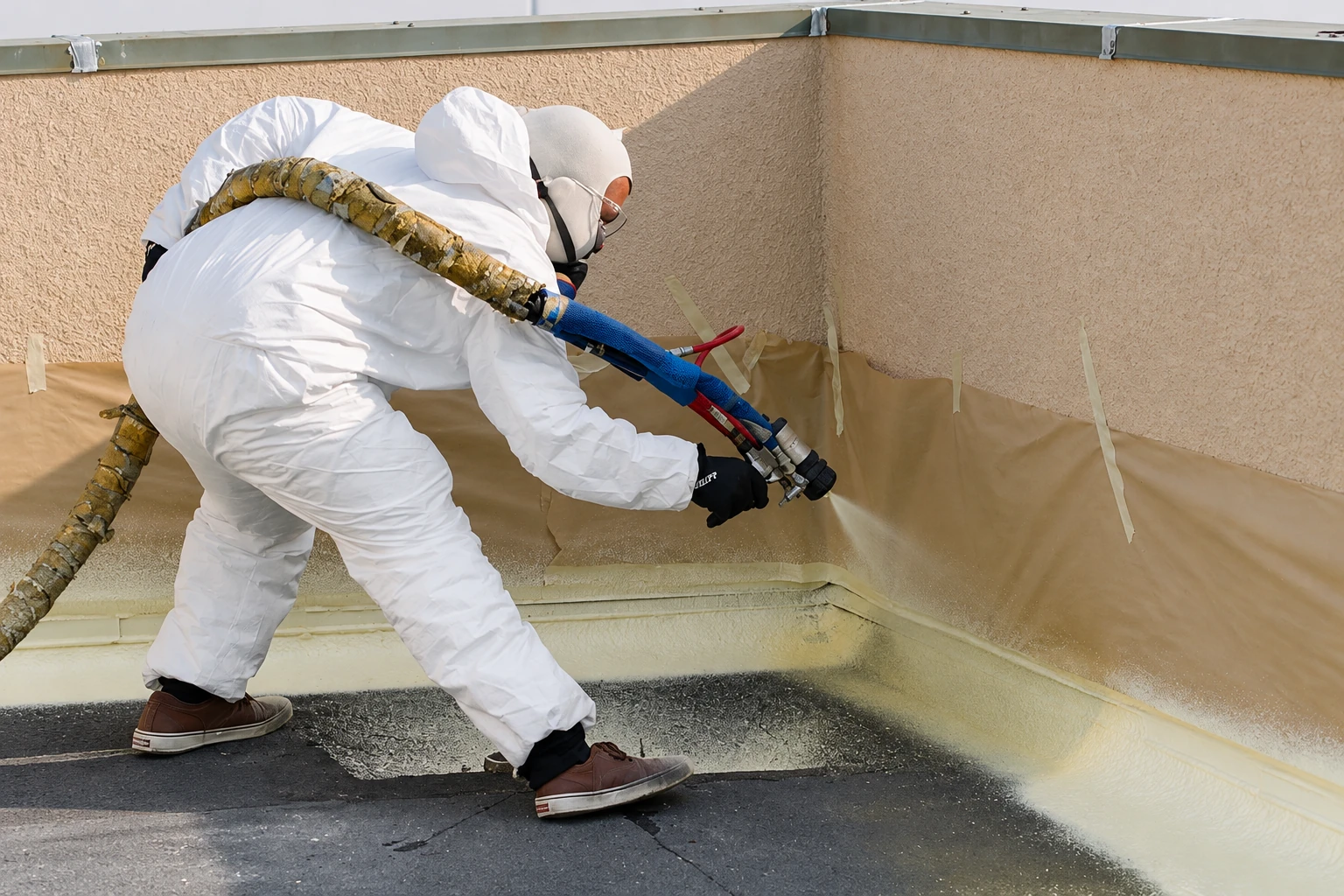
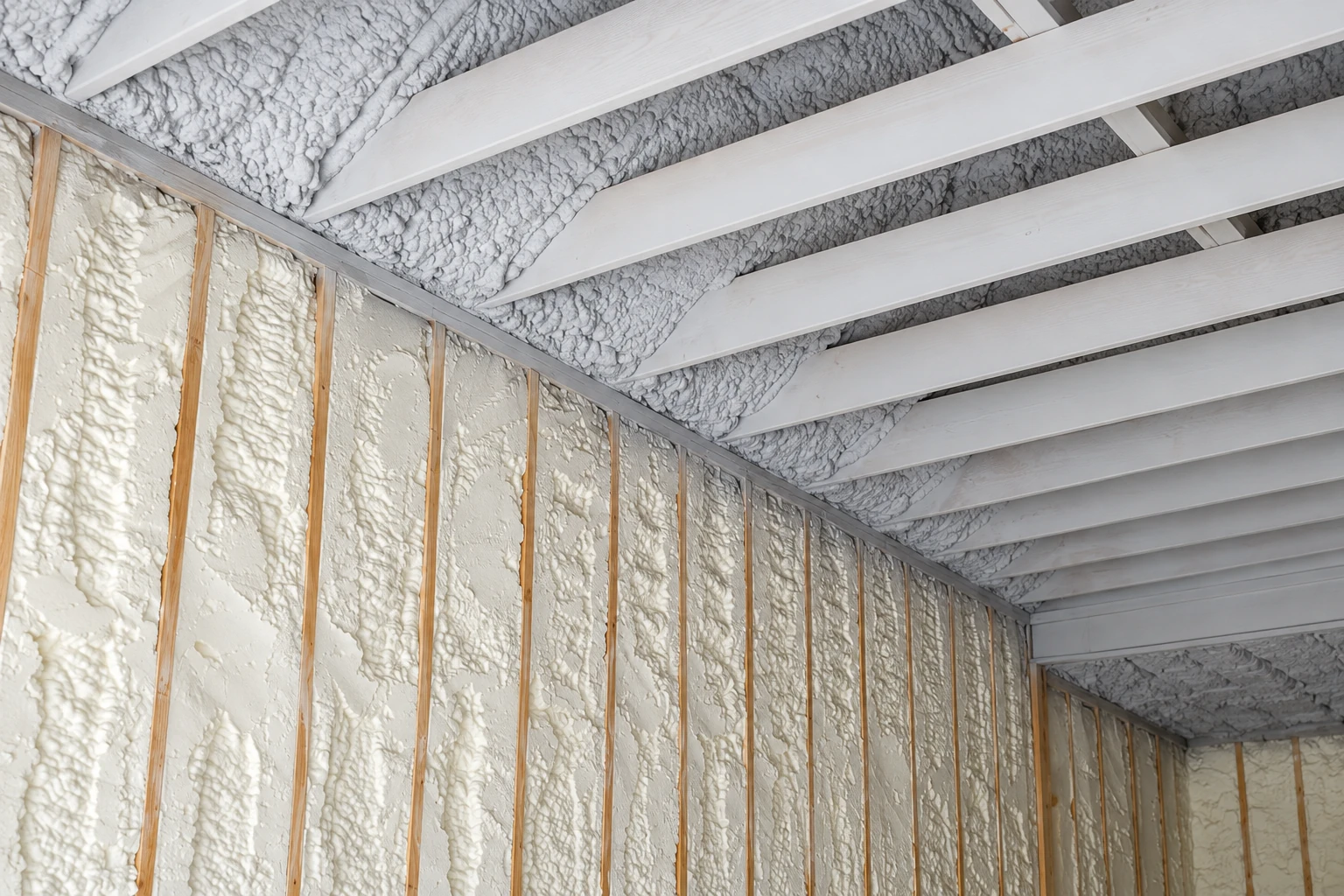
Most retrofits end up as attic insulation done right the second time, with the gaps sealed and loose fill topped up over whatever's still good. Spray foam insulation costs more and seals air while it insulates, so I only point you that way when your ductwork runs through the attic, because foam can bring those ducts inside the insulated side of the house. Otherwise sealing and loose fill usually wins on cost and does the job.
Plenty of older houses have a thin, settled layer up there, or close to nothing. We measure what's there and add to it rather than tearing out insulation that's still dry and clean.
That usually points to air moving, not just thin insulation. Warm air slips up through gaps in the ceiling and cold air gets pulled in below, so sealing matters as much as depth.
Its floor sits over a space about as cold as outside, and the gaps where the walls meet the garage ceiling are often wide open. Sealing those and filling the floor is usually the fix.
If old insulation got soaked by a leak or turned into a home for mice, laying new material on top keeps the mess. It comes out first, once the leak is fixed.
Send the form and we'll reply within one business day to set a time. I come out, look over the space and give you a free estimate, with no obligation to book.
House age tells me what to look for before I climb the ladder, since older attics are where old wiring and loose, pebbly insulation tend to turn up.
If a gas furnace or water heater vents through the attic, say so, because sealing the attic changes how that equipment gets its air and I want to know before I come.
We're licensed and insured and have been in business since 2017, after my years of crawling through attics for a property management company. Satisfaction guaranteed.
These photos show blown-in loose fill, spray foam and sealed attic hatches, the kinds of finishes and layouts worth going over at your estimate.
These are the questions Springfield homeowners ask before an attic retrofit, answered the way I'd answer them standing in your driveway.
Yes. Federal energy guidance says money spent on insulation can be wasted when the holes and gaps in ceilings, walls and the foundation stay open, so sealing belongs in both the estimate and the plan. When you compare quotes, ask whether sealing is included. In ours it's listed and done first.
Often you can with dense-pack cellulose, but not with spray foam. One installer writing in Fine Homebuilding says spray foam needs a completely cleared-out house, while dense-pack cellulose, packed in tight with a blower, lets people go about their lives at home during the work. If staying put matters for your kids, pets or schedule, tell me and we'll talk about which methods make that easier.
Then we stop and don't seal or insulate over it, because federal guidance puts attic work on hold while it's there. The U.S. EPA recommends leaving vermiculite, the loose, pebbly gray-brown kind, undisturbed, since stirring it up could release asbestos fibers. If you choose removal, the EPA says a trained, accredited asbestos abatement contractor should do it, separate from whoever assessed it.
Attic insulation in Springfield usually costs about $1,500 to $5,000 per job, and that's the going range in the area, not our price. An attic that only needs topping up sits toward the low end, and one with ruined insulation to pull out and lots of gaps to seal sits higher. I'll give you your number once I've seen the space.
We check with the office that covers your address before we start, and if your job needs a permit, we handle it. Inside the city that's Springfield Building & Zoning, which issues Springfield's permits. If your house was built before 1978 and the work disturbs painted surfaces, the city requires the contractor to be U.S. EPA certified and follow lead-safe work practices.
Call (217) 210-0709 seven days a week, from early morning into the evening, or send the form whenever it suits you.