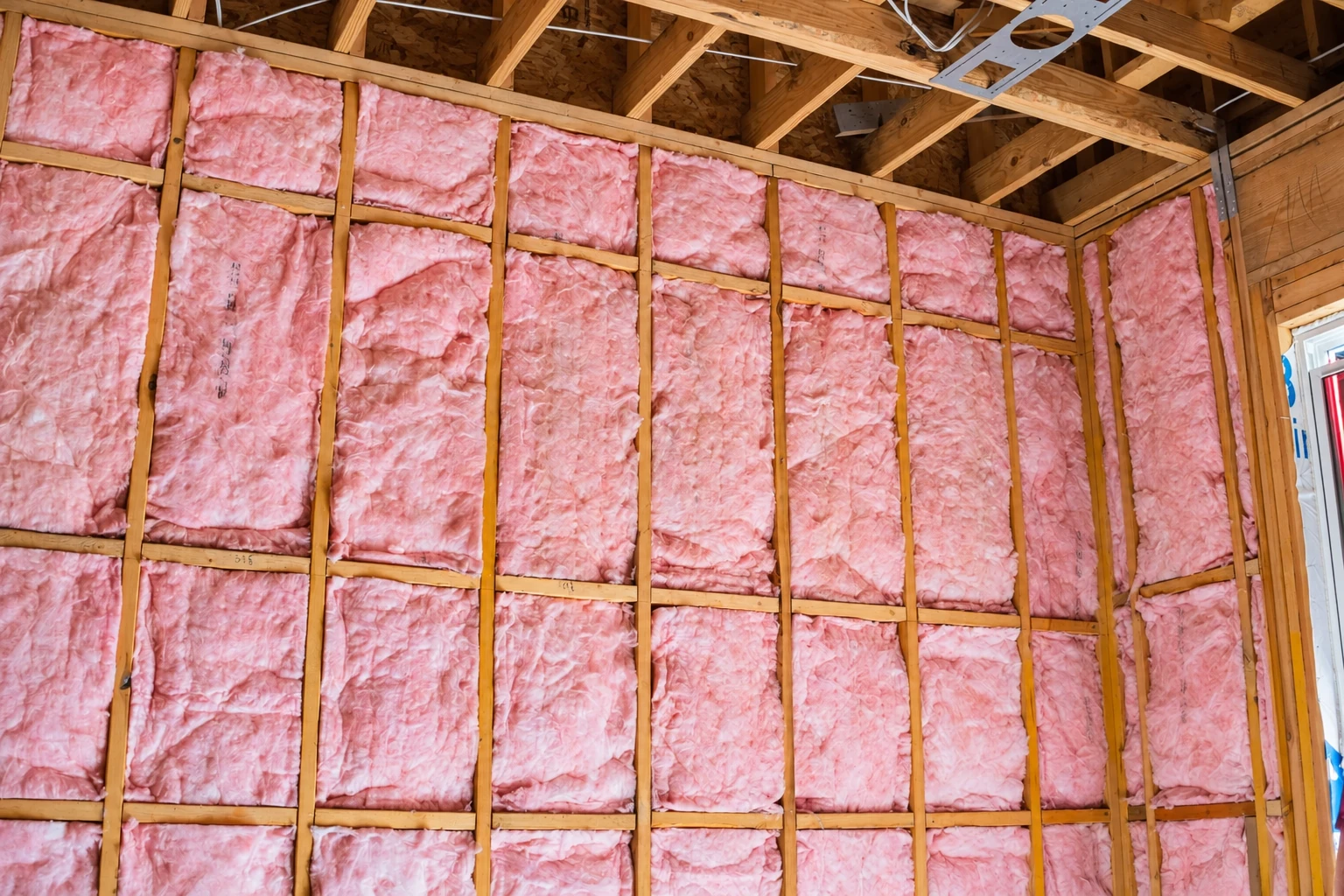
Spray foam insulation
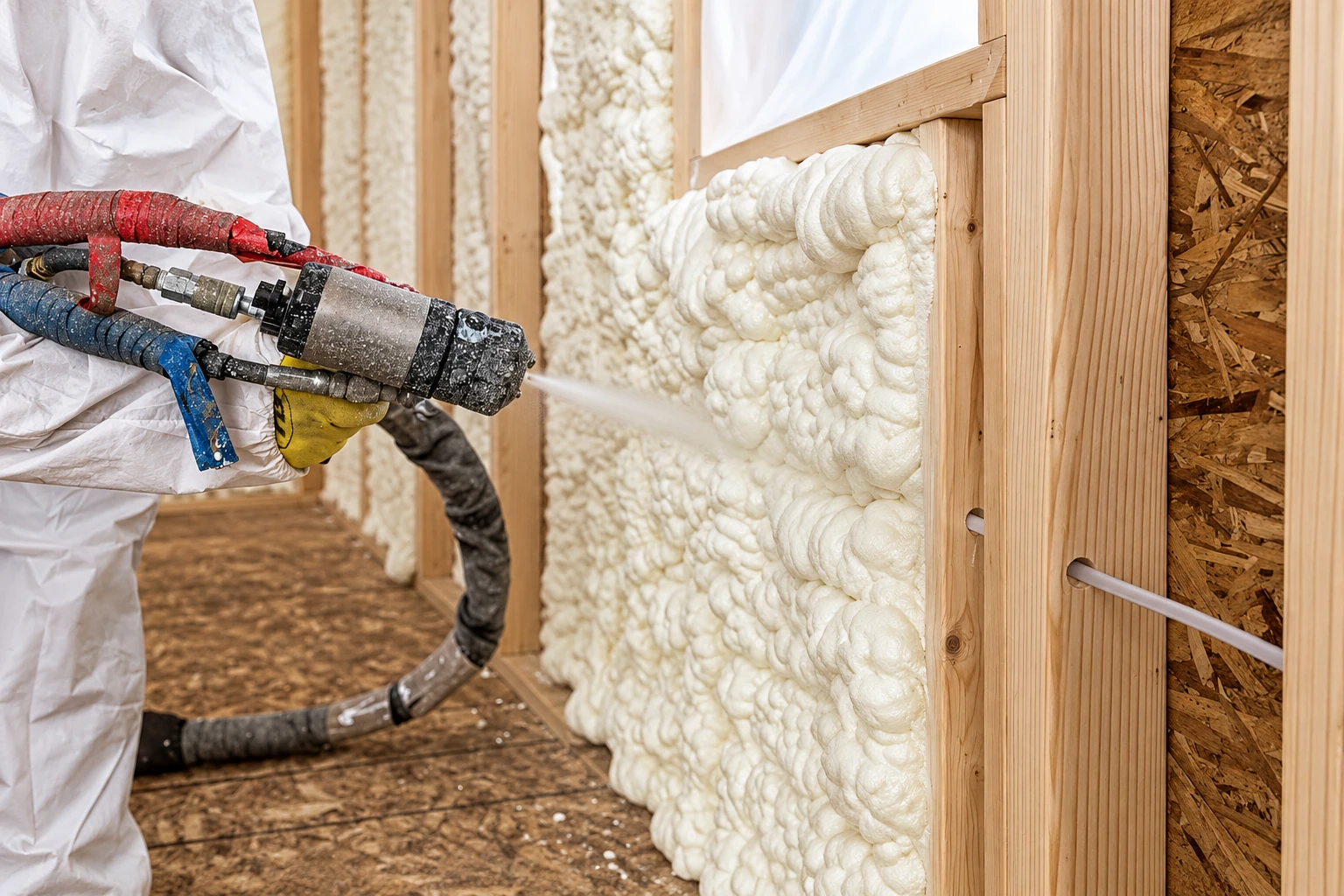
Spray foam seals air and insulates in one coat, so we use it where it pays, like the room over the garage or an attic with ductwork running through it.
Prime Springfield Spray Foam Insulation insulates attics, walls, crawl spaces and basements in Lincoln, IL. We go after the hot upstairs rooms, cold floors and drafts that keep the furnace running all winter.
We're based in Springfield and work in Lincoln the same way we do there and over in Jacksonville. The price here turns on how much attic or crawl space you have, whether the old material has to come out first, and whether the job calls for foam or loose fill. The schedule mostly waits on anything wet, because a roof leak or a damp crawl space gets fixed before we cover it. I look over the space myself, and that's when you get your number.
Lincoln's older houses toward the middle of town usually have a few inches of tired fill in the attic and not much in the walls. Newer houses farther out tend to have it piled deep in the middle and thin at the edges, which is backward, and I'd like a word with whoever started that habit. A long freezing season finds every gap around the hatch and the can lights, so on most Lincoln jobs the sealing matters as much as the inches.
If the crawl space is damp or the roof leaks, I'll tell you to fix that before we insulate, because new insulation over water just hides it for a while.
We close the gaps around pipes, lights and the attic hatch first, because insulation laid over an open draft keeps losing heat no matter how deep it goes.
We keep fill off the vents at the edges of the attic, because a buried vent stops the attic breathing and moisture starts showing up in the framing.
Spray foam seals air and insulates in one coat, so we use it where it pays, like the room over the garage or an attic with ductwork running through it.
Most attics we open have the most fill in the middle and the least at the edges, so we even it out where the cold actually gets in.
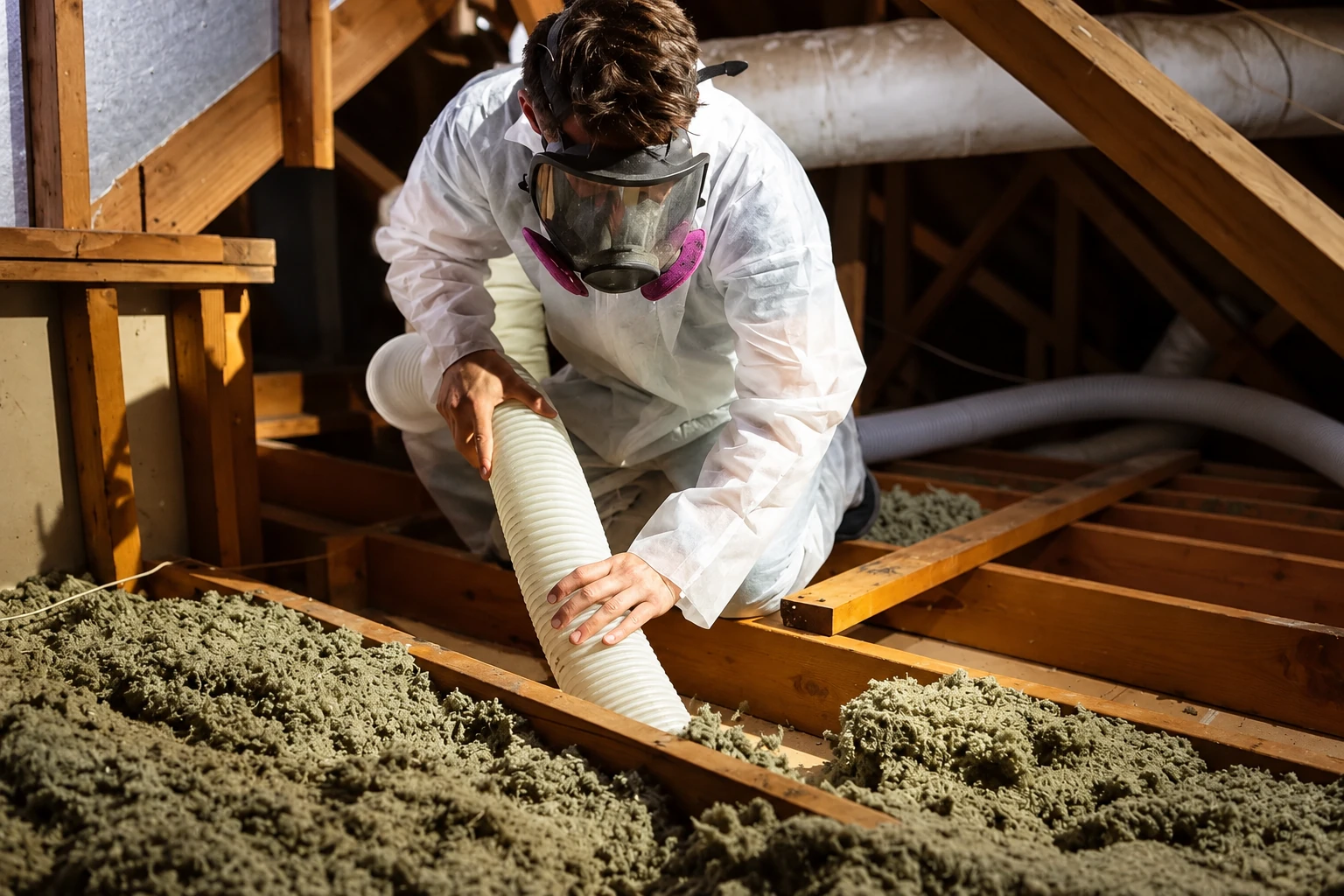
Blown-in is loose fill blown through a hose, and it's the easy way to top up an attic that only has a few inches left in it.
If the whole house is drafty, we look at the attic, walls and crawl space together and start where the heat leaves fastest, not where it's easiest to sell.
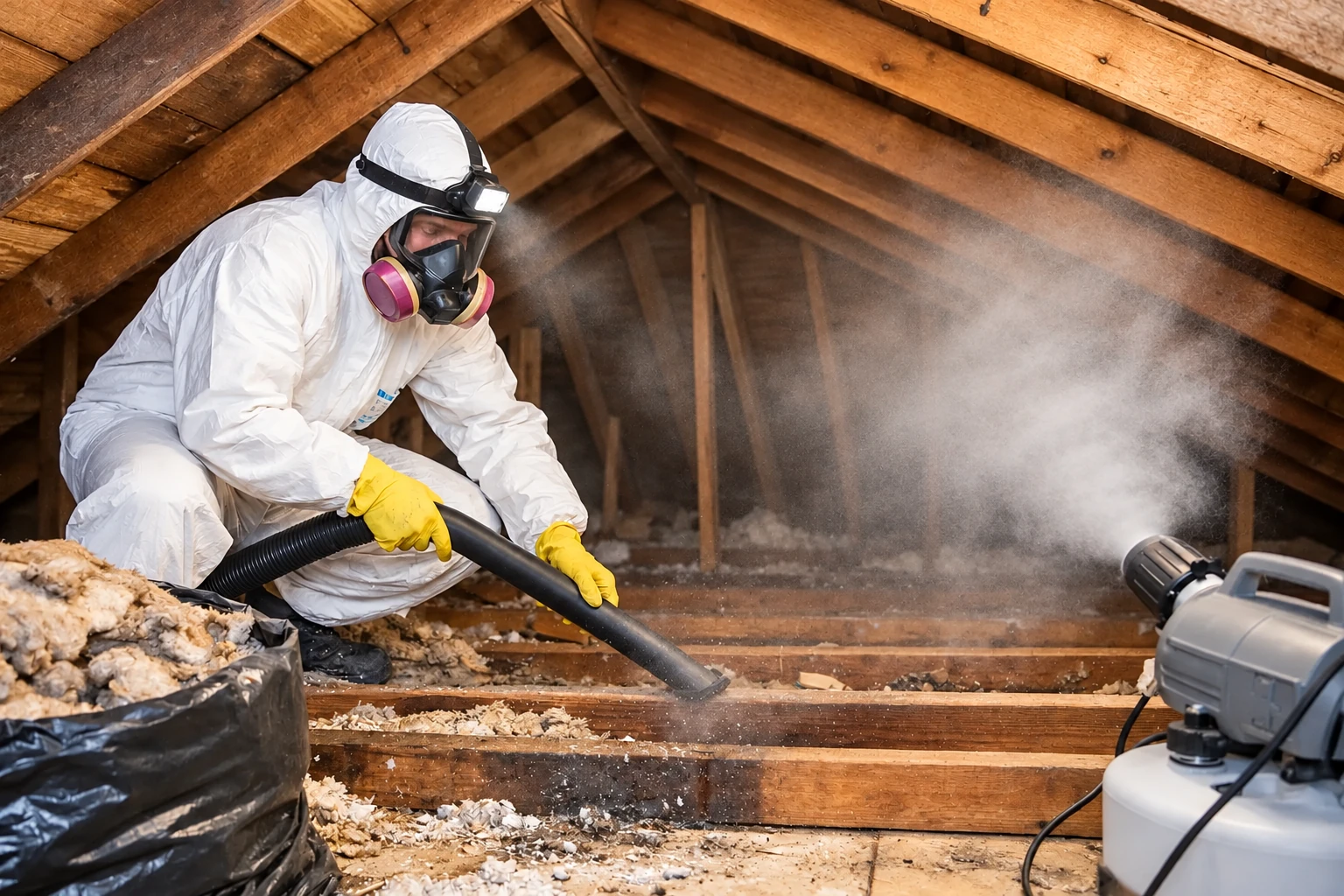
Old fill that got soaked by a roof leak or is full of droppings comes out before anything new goes in, because covering it keeps the smell and the problem.
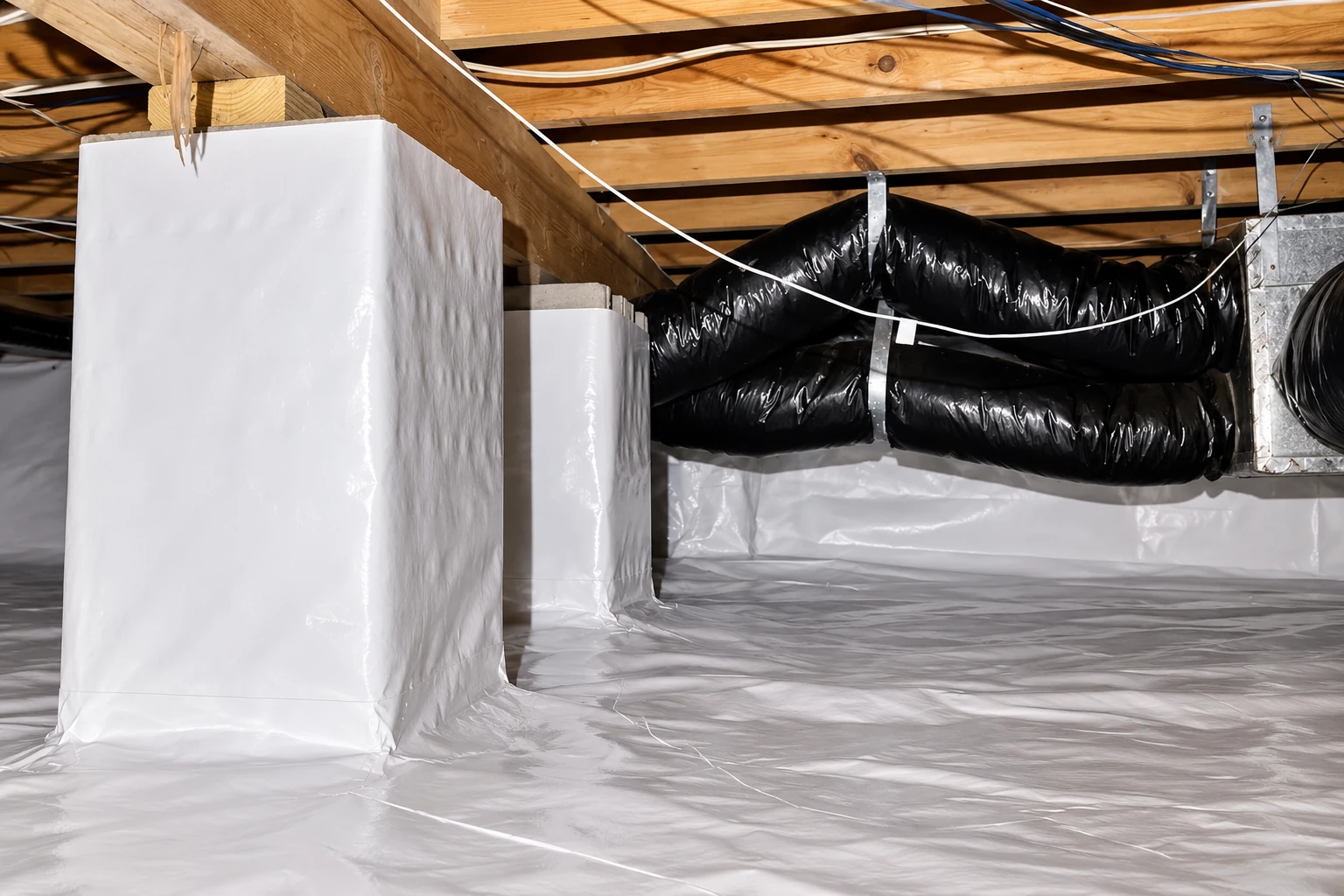
Cold floors usually trace back to an open, drafty crawl space, and we insulate down there only after it's dry, so the floor warms up and the framing stays sound.
Walls in older houses are often empty or the fill has settled, so we fill them through small holes we patch afterward instead of tearing out plaster.
Air sealing means closing the gaps around pipes, wires, can lights and the attic hatch before insulating, because insulation can't stop a draft blowing straight through it.
Basement walls lose heat straight through the block, so we insulate them in a way that won't trap dampness against the wall, once any water problem is handled.
Closed-cell foam is dense foam that blocks moisture, so it's our pick for crawl space walls, basement walls and spots where damp air would soak anything softer.
Open-cell foam is lighter and softer, so it fills odd framing and quiets noise well, and it fits dry spots like the underside of the roof or an inside wall.
We insulate shops, offices and rental buildings too, and landlords and property managers who knew me from my old maintenance job still call when a unit runs cold.
A heavy liner over the dirt floor keeps ground moisture from rising into the crawl space, and we overlap and seal the seams so it actually stays put.
A vapor barrier keeps damp air off cold surfaces where it turns to water, and putting one on the wrong side of a wall does more harm than leaving it off.
We pull back the old fill and seal around the hatch, the wiring holes and the light fixtures, so the attic stops pulling warm air up out of the house.
Retrofit means adding insulation to a house that's already finished, so we work through the attic, the crawl space and small wall holes instead of opening up rooms.
Send the form and we'll reply within one business day to set a time. I come out, look over the attic or crawl space myself and give you a price, with no obligation to book.
A hot upstairs, cold floors over the crawl space or a power bill that keeps climbing each point somewhere different, so a line about it tells me where to look first.
The estimate is free and happens at your house, because I won't guess at an attic I haven't been up in, and there's no pressure to book.
We're licensed and insured, and satisfaction guaranteed is how we work. Our crew does the install, and I'm on most jobs or checking them before we pack up.
Here's what Lincoln homeowners usually ask before we climb into the attic, from permits to whether you have to leave the house.
The Logan County Zoning Office issues building permits for the unincorporated parts of the county and for villages without their own zoning ordinance. Houses inside Lincoln city limits aren't part of that, so the city's Building and Safety Office is the one to ask. We check with whichever office covers your address before we start, and if a permit's needed, we take care of it.
Logan County's floodplain map page points you to FEMA's flood map, where you type your address into the "Find Address or Place" tool and see whether you're inside the boundary. The 100-year floodplain shows as a blue area marked Zone A or Zone AE. If you're in it and the crawl space takes water, the water gets handled before we insulate down there.
Yes, for spray foam. You, the kids and the pets stay out while we spray and until the re-entry time, the point when it's safe to come back inside, which we give you before we start. Blown-in and air sealing usually don't need you out of the house, so most people just clear a path to the attic hatch.
For most Lincoln attics I'd seal the gaps and top up the loose fill, because it does the job for less than foam. Foam costs more but seals air while it insulates, so it earns its price when your ductwork runs through the attic. I'll tell you which one yours needs once I've been up there.
Usually, yes, if the old material is dry and clean. If it's been soaked by a roof leak or it's full of droppings, it comes out first, because new insulation over a mess just keeps the mess. At the estimate I check what's up there and how many inches you already have.
We're an insulation contractor in Springfield, IL, and these are the cities with their own page here. We work in the cities around them too, so call or send the form to ask about yours.
Call (217) 210-0709 any day of the week or send the form, and tell us which room is cold so I know where to start.