Spray foam insulation
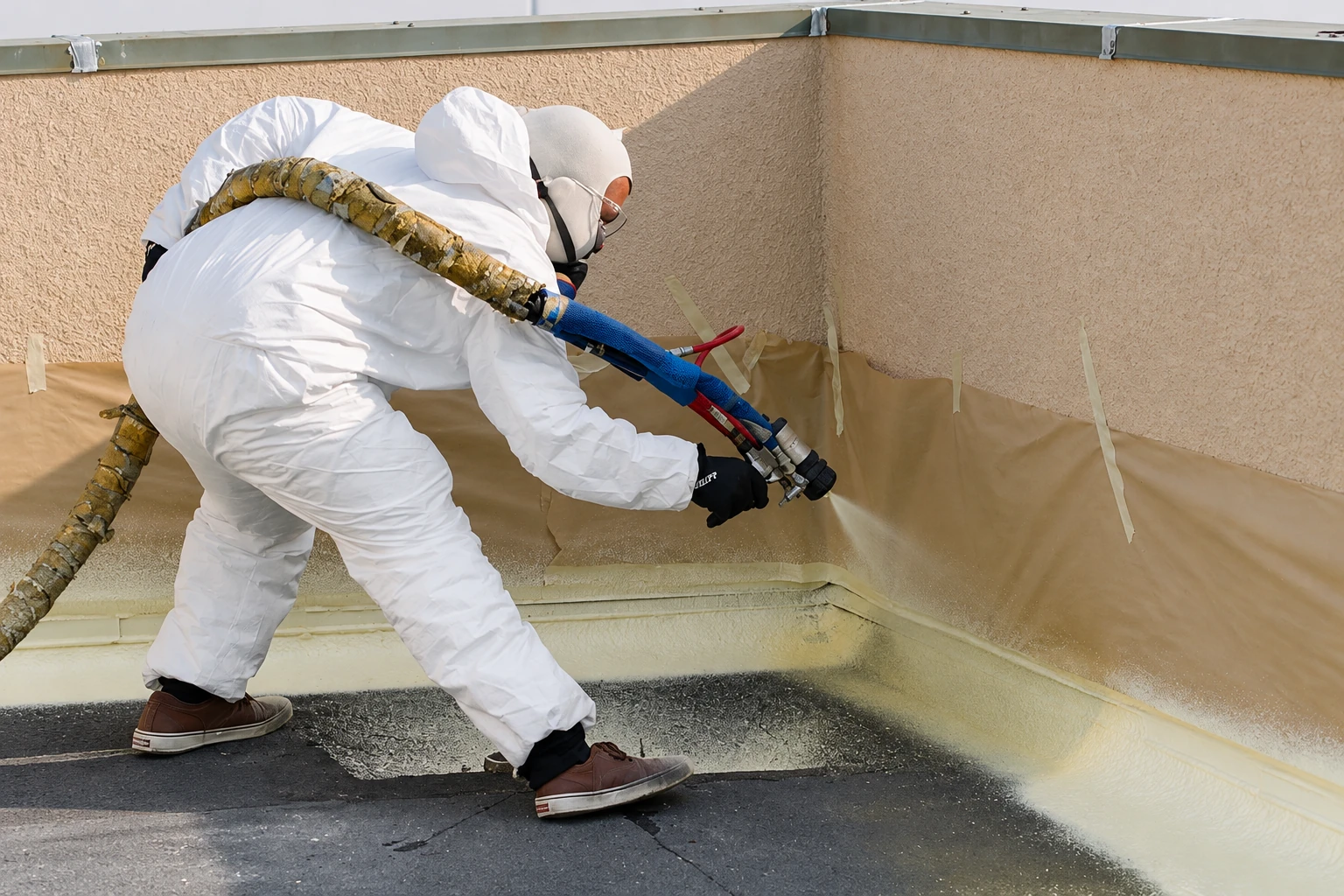
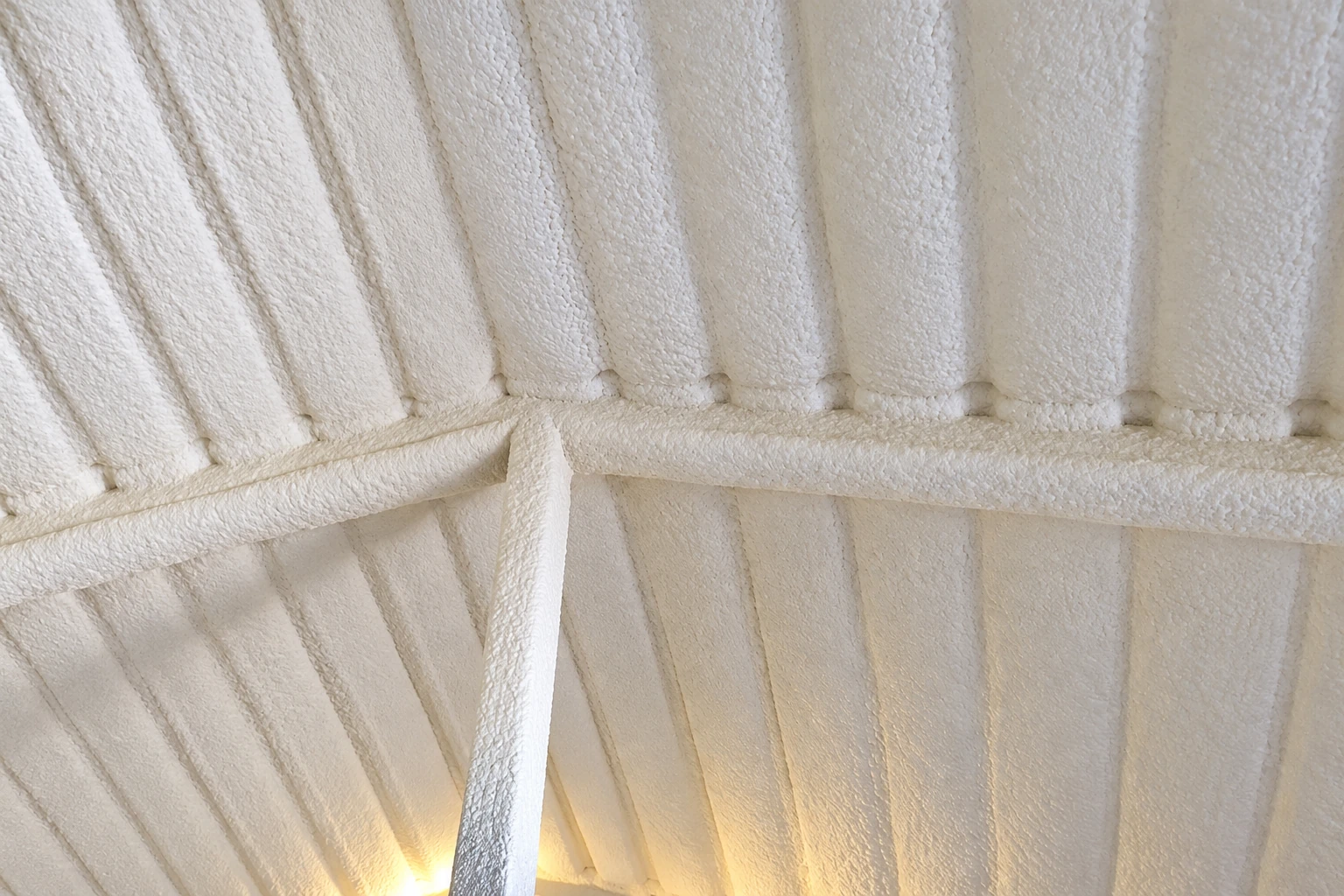
Foam seals air and insulates in one pass on walls, basement edges or the roof deck. It costs more than loose fill, so it pays off most when ductwork runs through the attic.
Prime Springfield Spray Foam Insulation handles attic insulation, spray foam and air sealing in Springfield and the cities around it, including Chatham and Decatur. We also insulate damp crawl spaces and the drafty walls of Springfield's older homes.
Prime Springfield Spray Foam Insulation is an insulation contractor in Springfield, IL, and we fix hot upstairs bedrooms, cold floors, the drafty room over the garage and the power bill that comes with them. We offer 16 services, from attic top-ups to crawl space vapor barriers. The price turns on the size of the space, how hard it is to reach, how many inches are already up there, whether old material has to come out and whether foam makes sense. The schedule turns on the same things, plus any leak or damp that has to be fixed first. Your written estimate spells out both for your house.
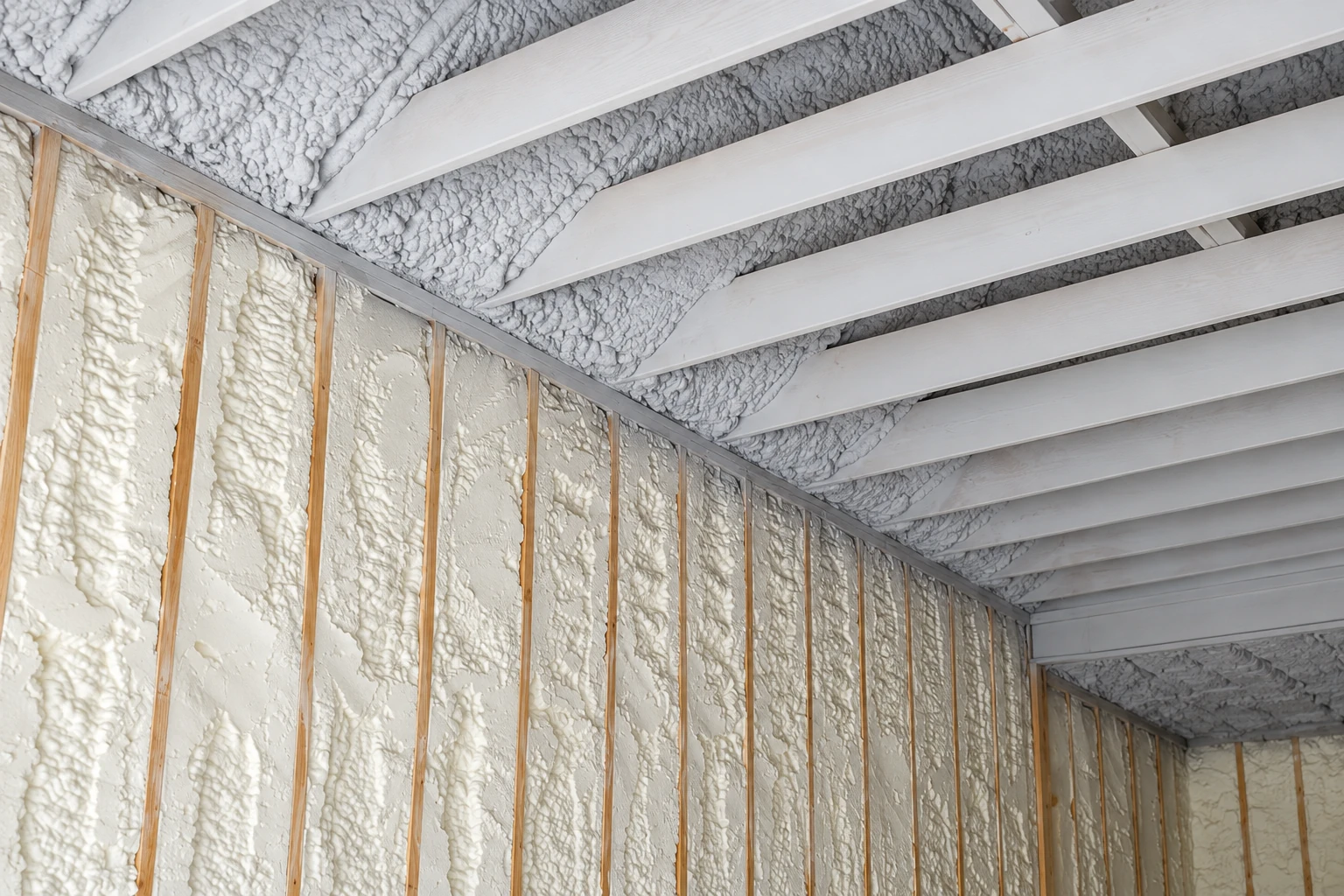
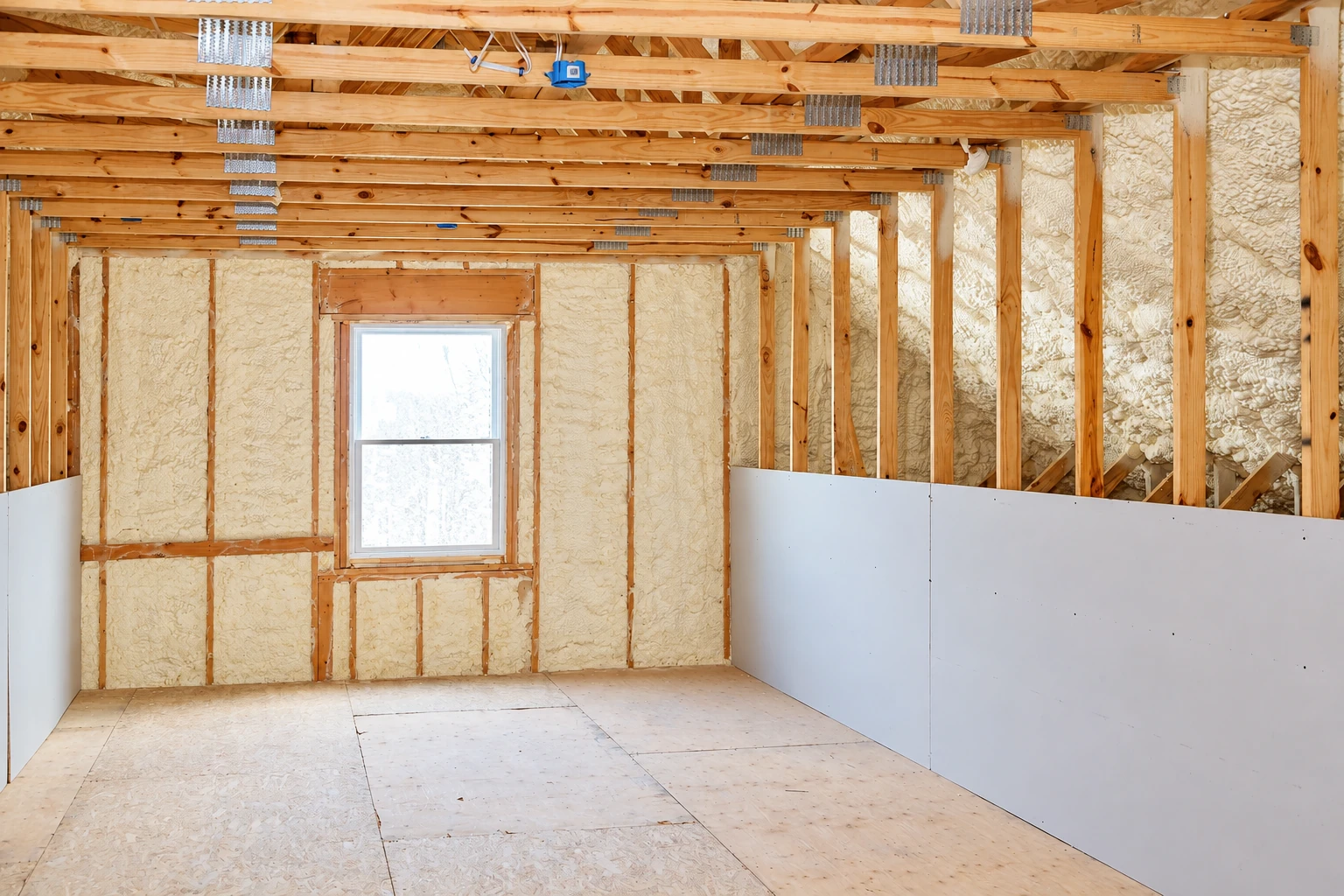
Foam seals air and insulates in one pass on walls, basement edges or the roof deck. It costs more than loose fill, so it pays off most when ductwork runs through the attic.
For the hot upstairs and the drafty bedroom. We measure the inches already up there, seal gaps around lights, pipes and the hatch, then add depth evenly out to the eaves.
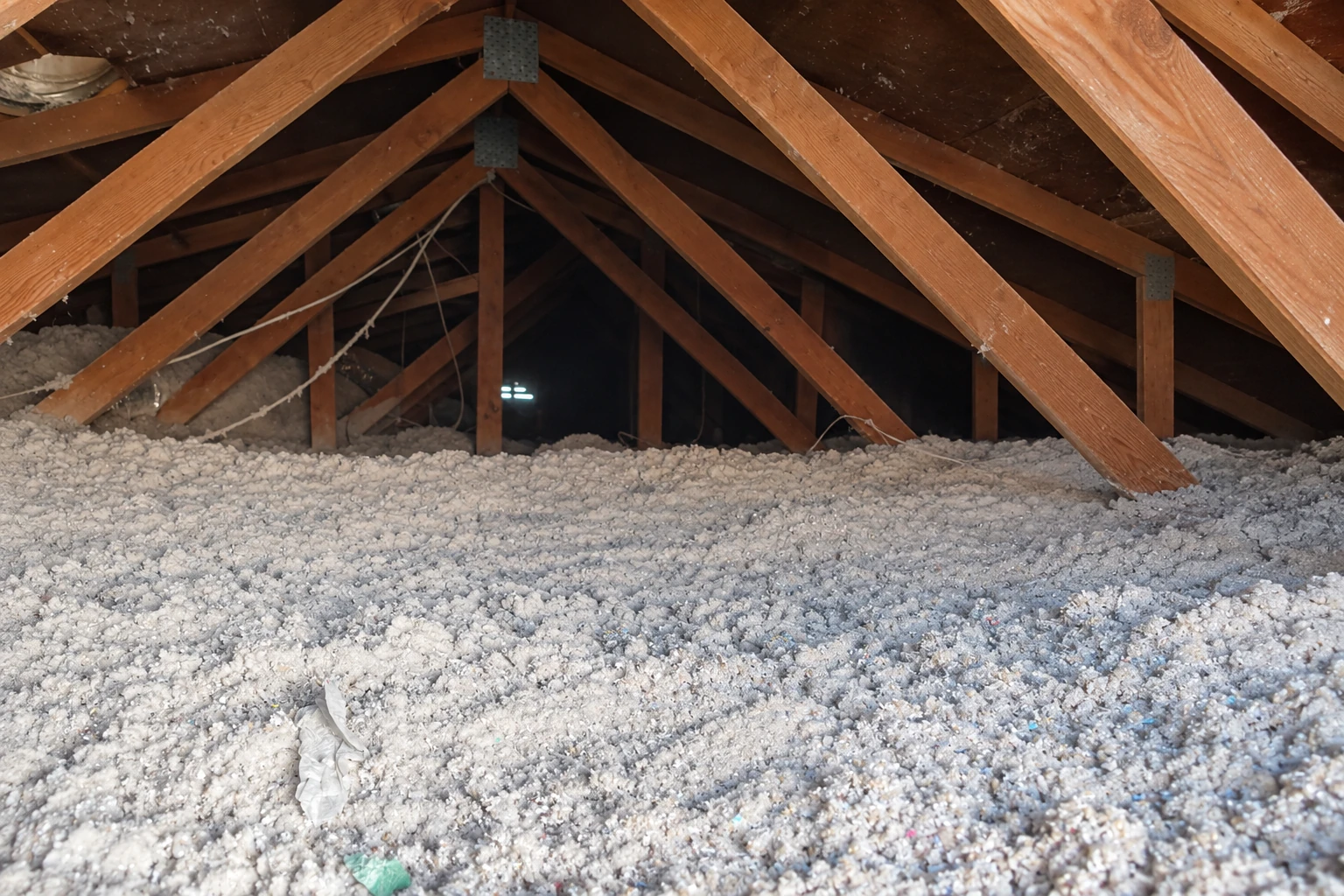
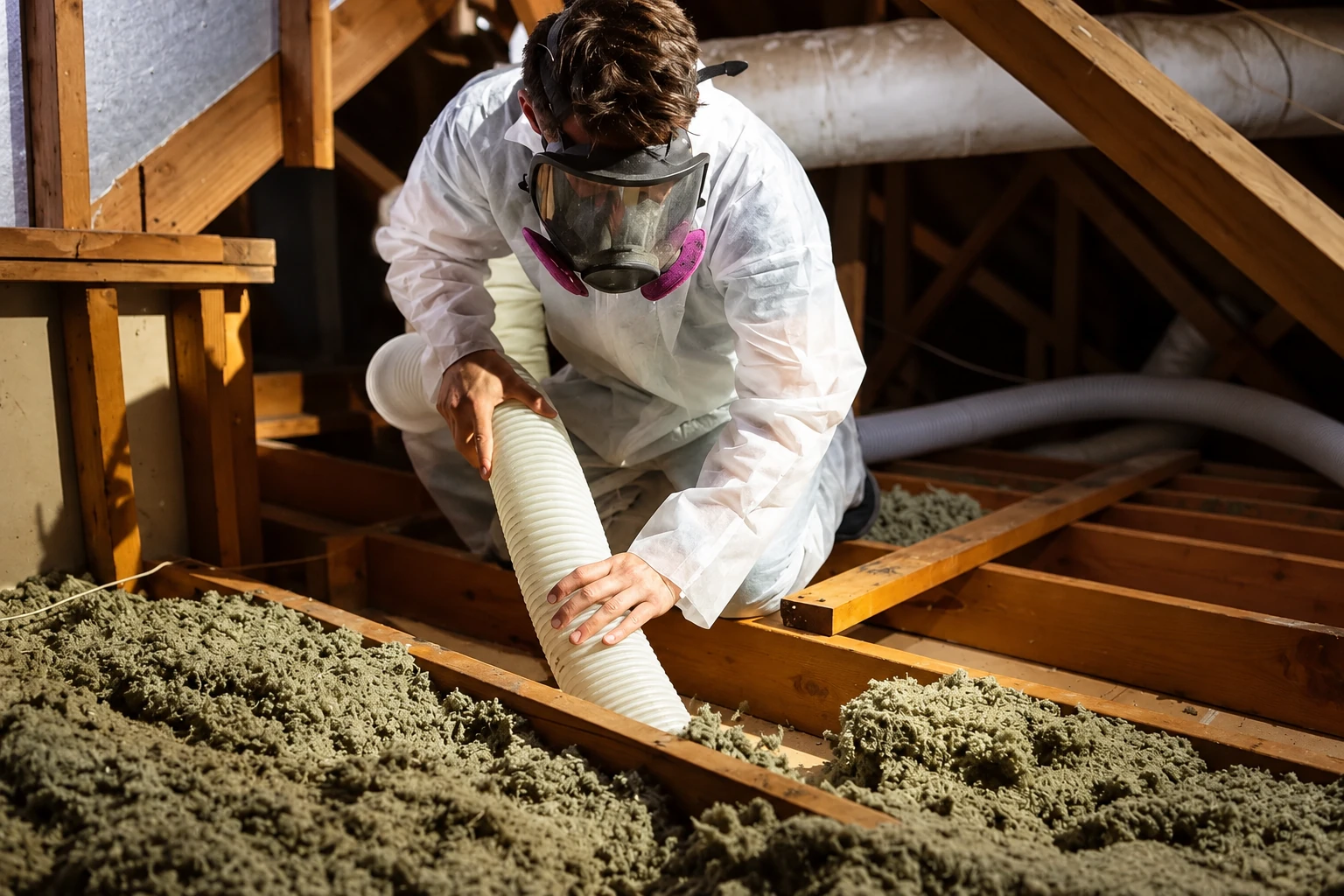
Loose fill blown through a hose, so it settles into tight corners and tops up what's already there without tearing anything out. We keep the eave vents clear so the attic still breathes.
A look at the whole house, attic to crawl space, when you can't tell where the cold is coming from. I'll show you where the biggest gaps are and what's worth fixing first.
Old insulation that got soaked, crushed or full of droppings comes out before new goes in, because fresh material on top just keeps the problem. We clean up the space, then start over.
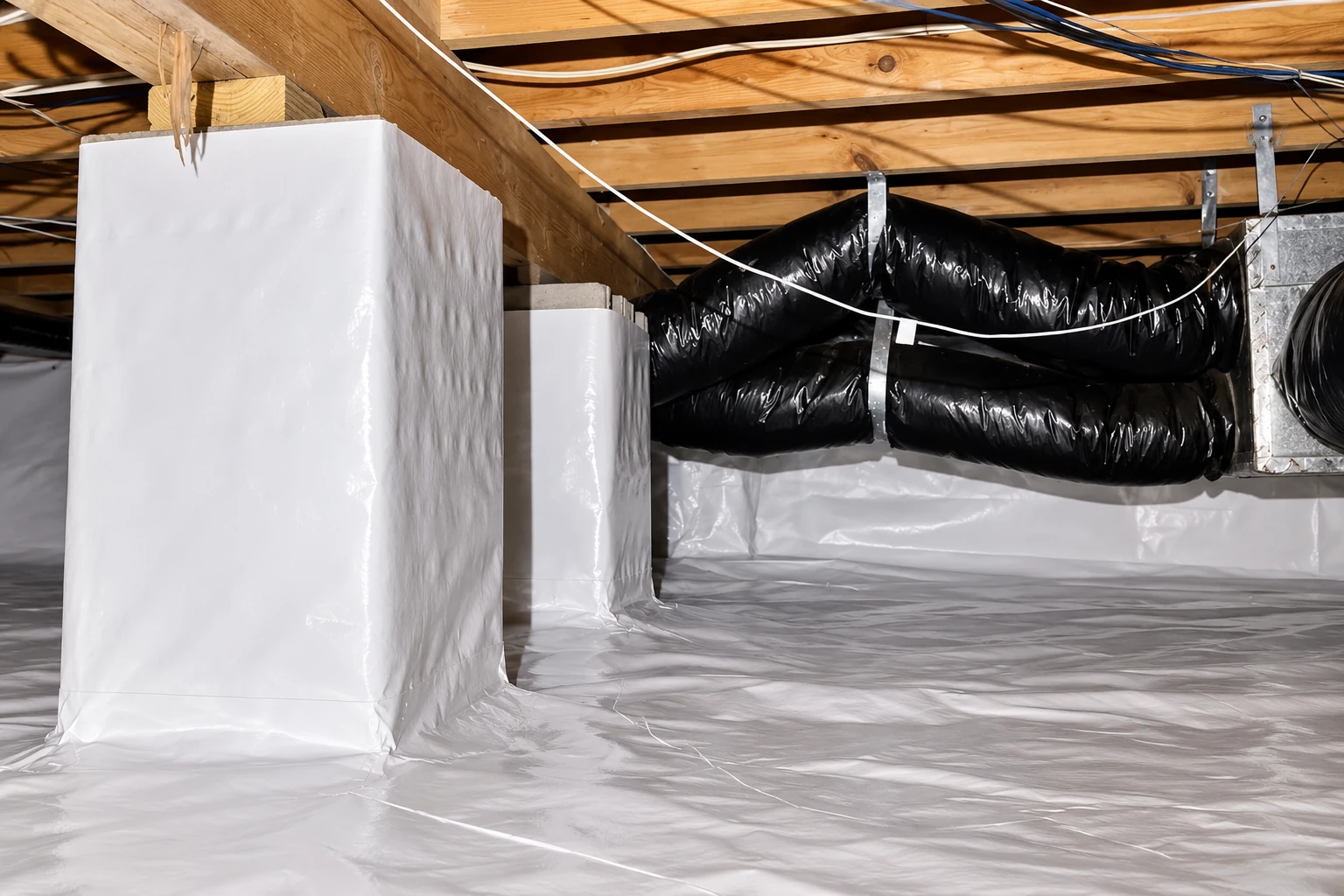
For cold floors over a crawl space. We deal with water first, because insulation in a wet crawl space just holds the damp against the framing.
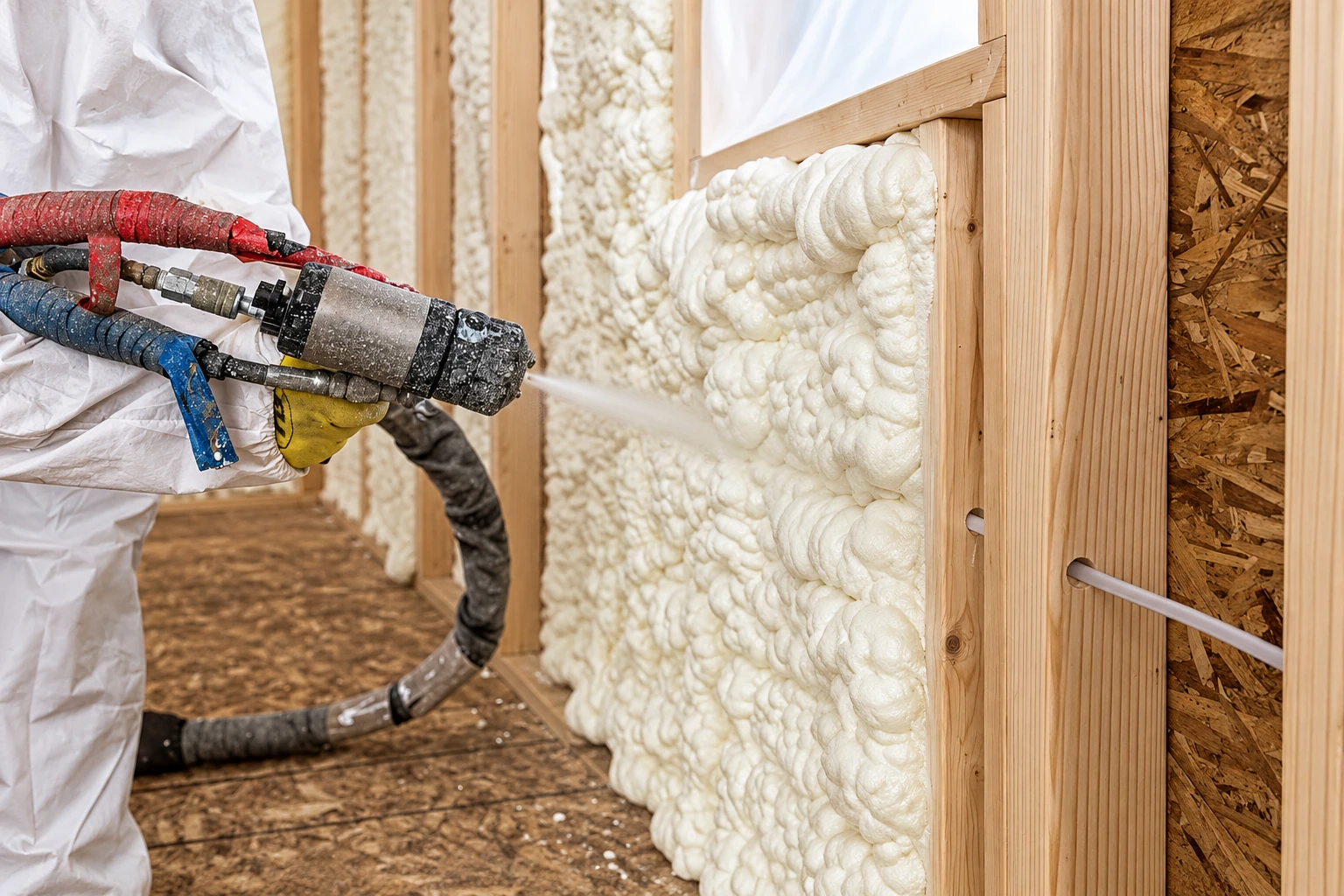
Many older houses went up with little in the walls, and you feel it in the rooms along the outside. We look at how the walls were built before saying how to fill them.
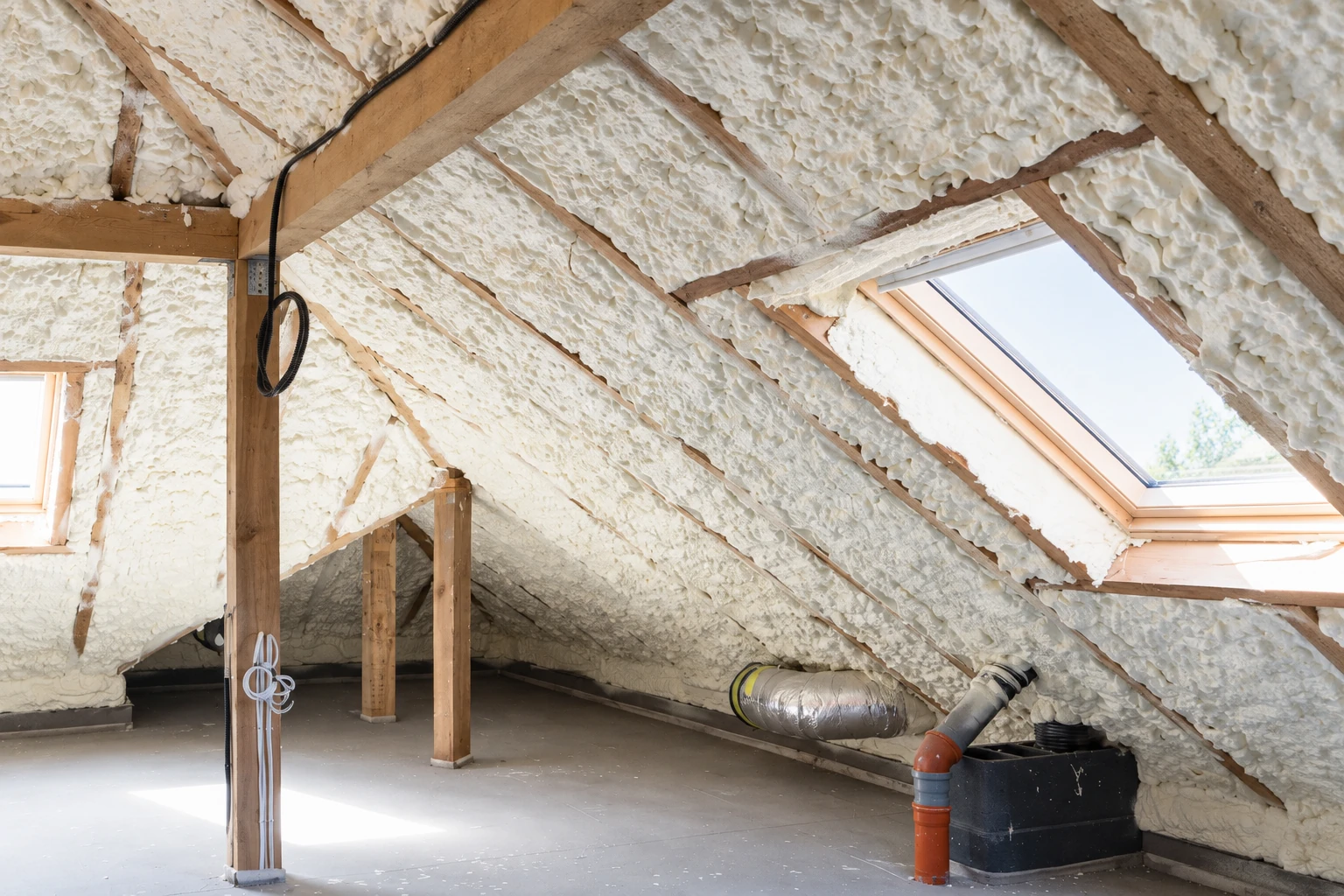
Closing the leaks around the whole house, from the attic to the crawl space and basement edges. It's usually the first thing we do, because insulation can't stop a draft on its own.
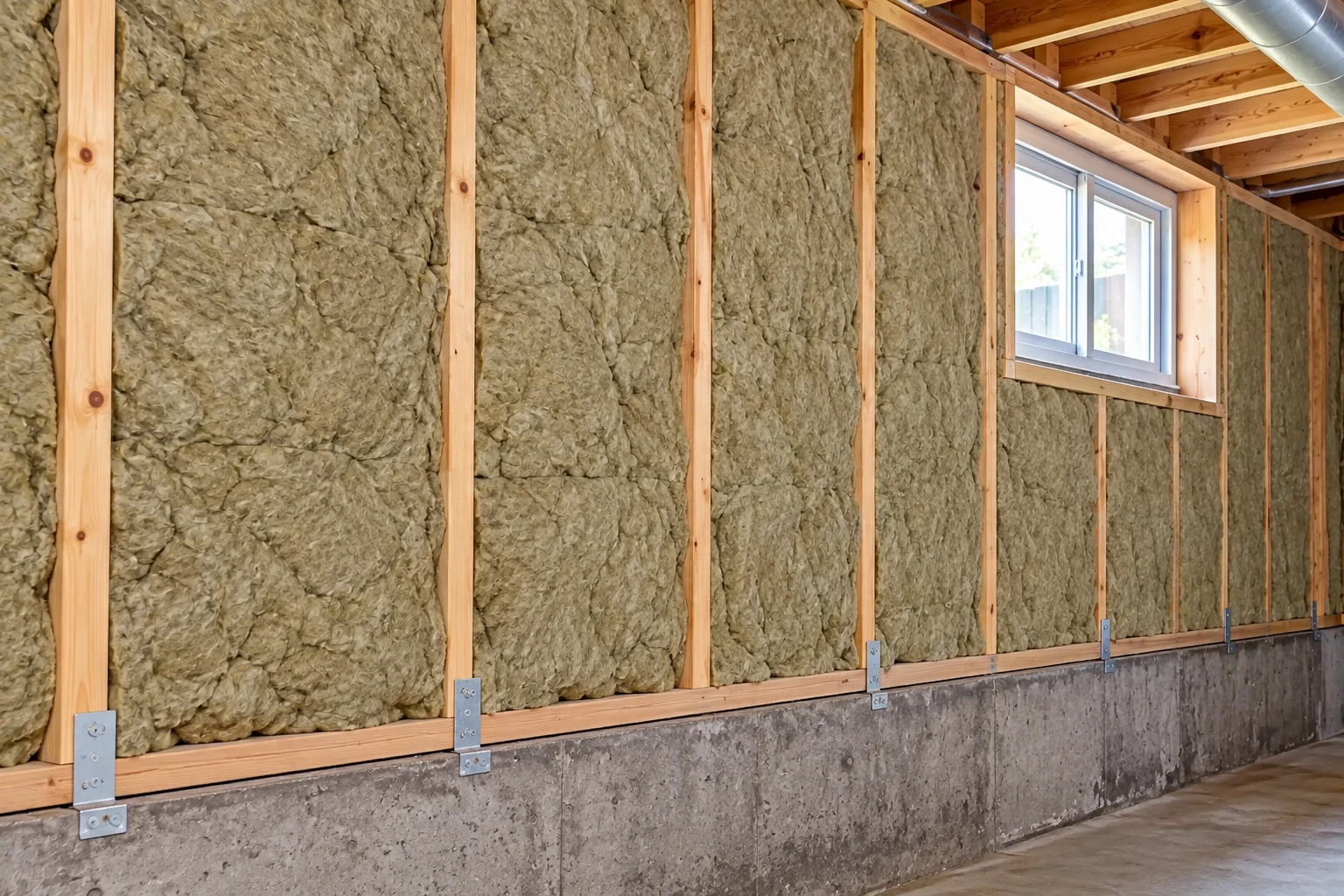
For a basement that stays cold and makes the floors above cold too. We check the walls for seepage first, since insulation over a damp wall traps the water behind it.
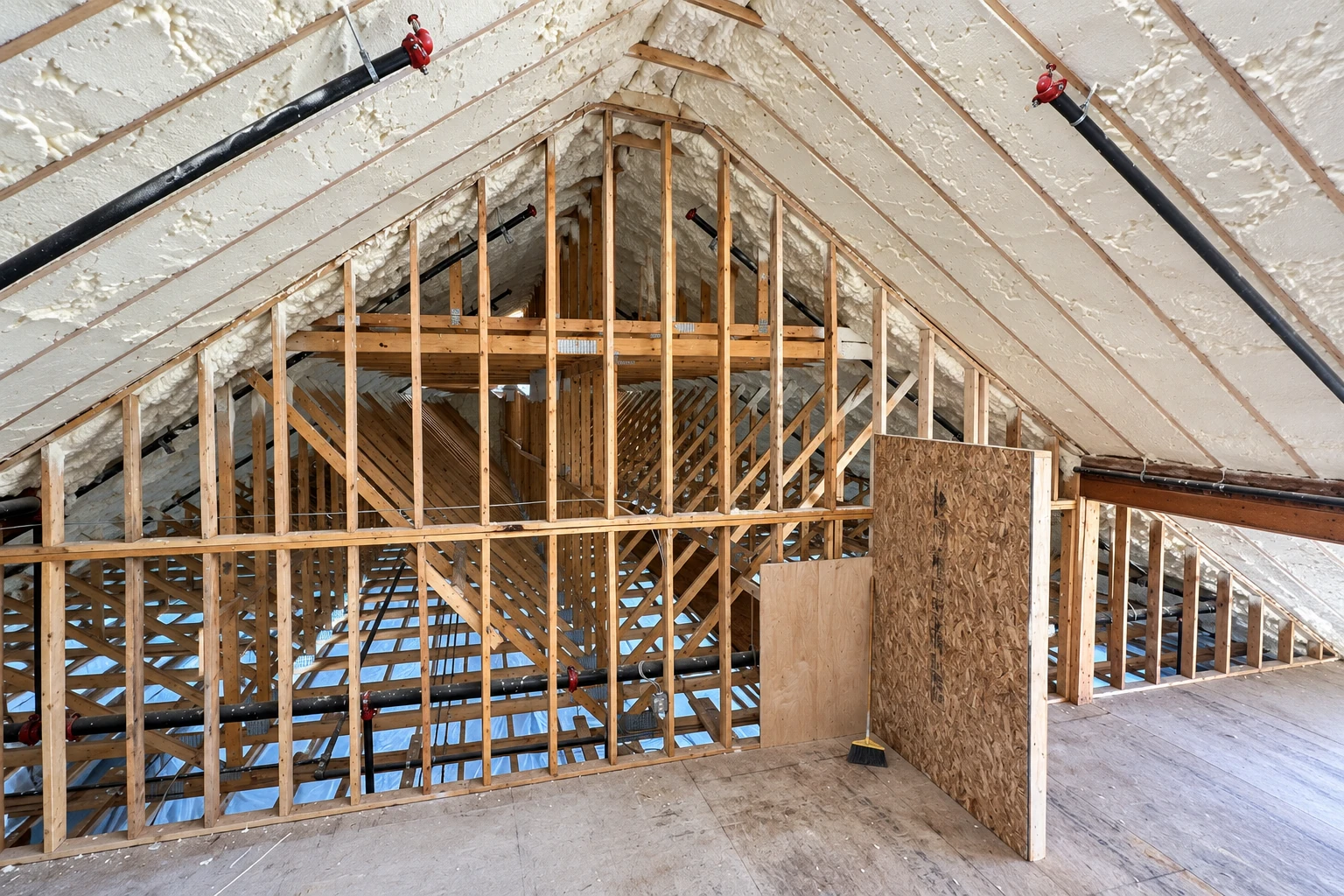
Dense foam that also blocks moisture, which suits crawl space walls and other spots where damp is a worry. We'll tell you when a cheaper option would do the same job.
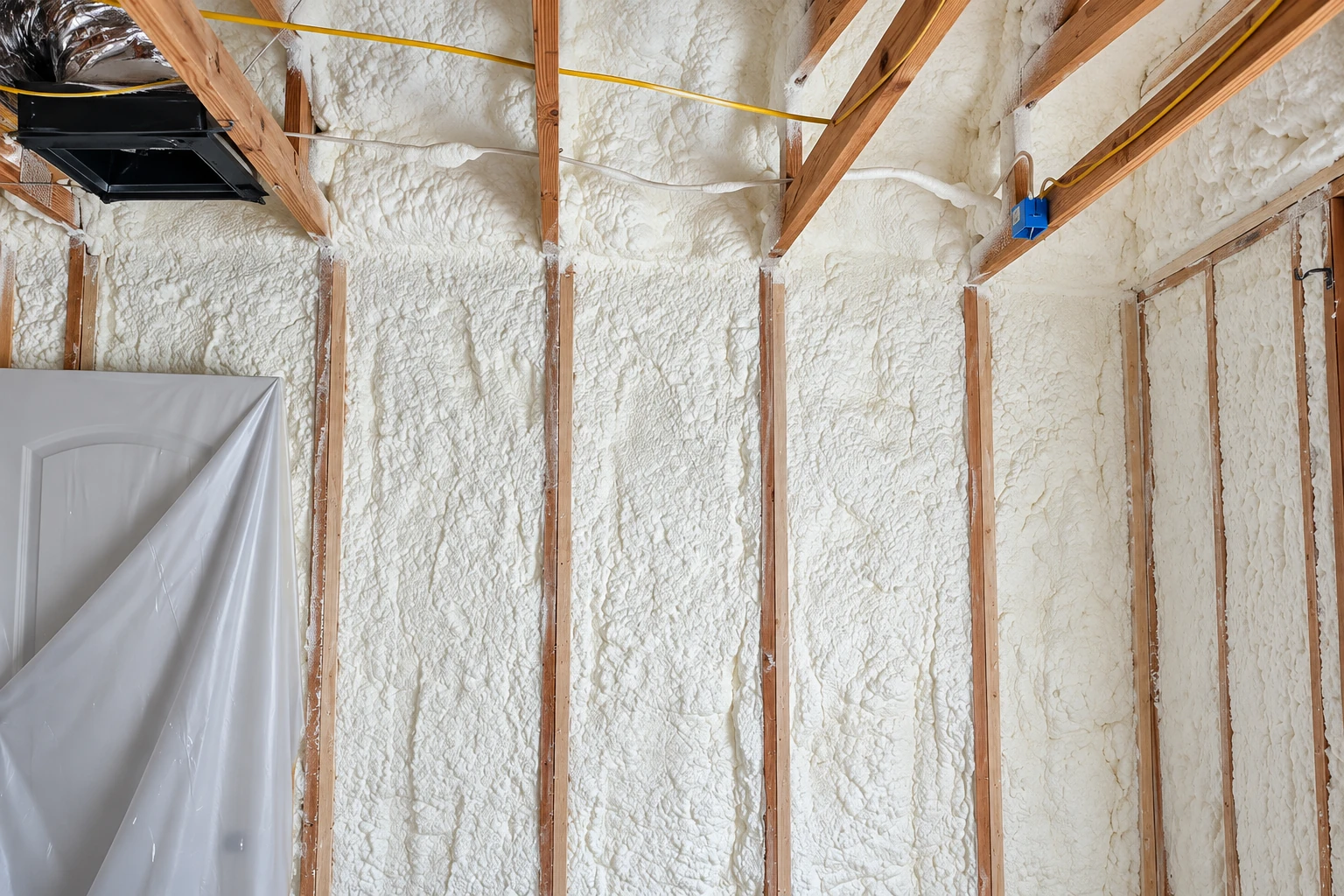
A lighter foam that expands into odd-shaped spaces and seals air as it insulates. It doesn't block moisture the way closed-cell does, so we keep it away from damp spots.
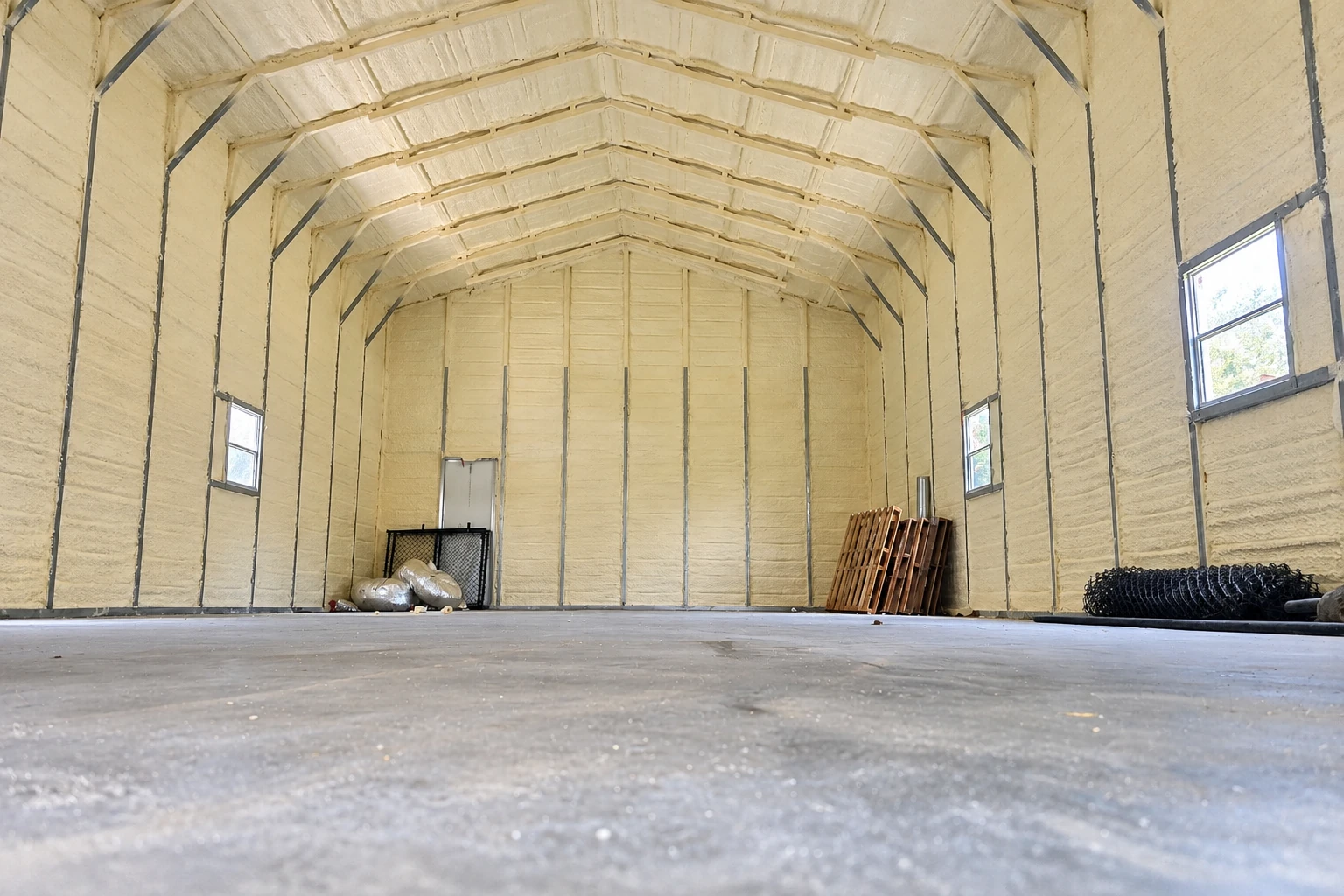
For offices, shops and rental buildings, and the landlords and property managers who run them. We plan the work around the people working or living there and keep the mess to the area we're in.
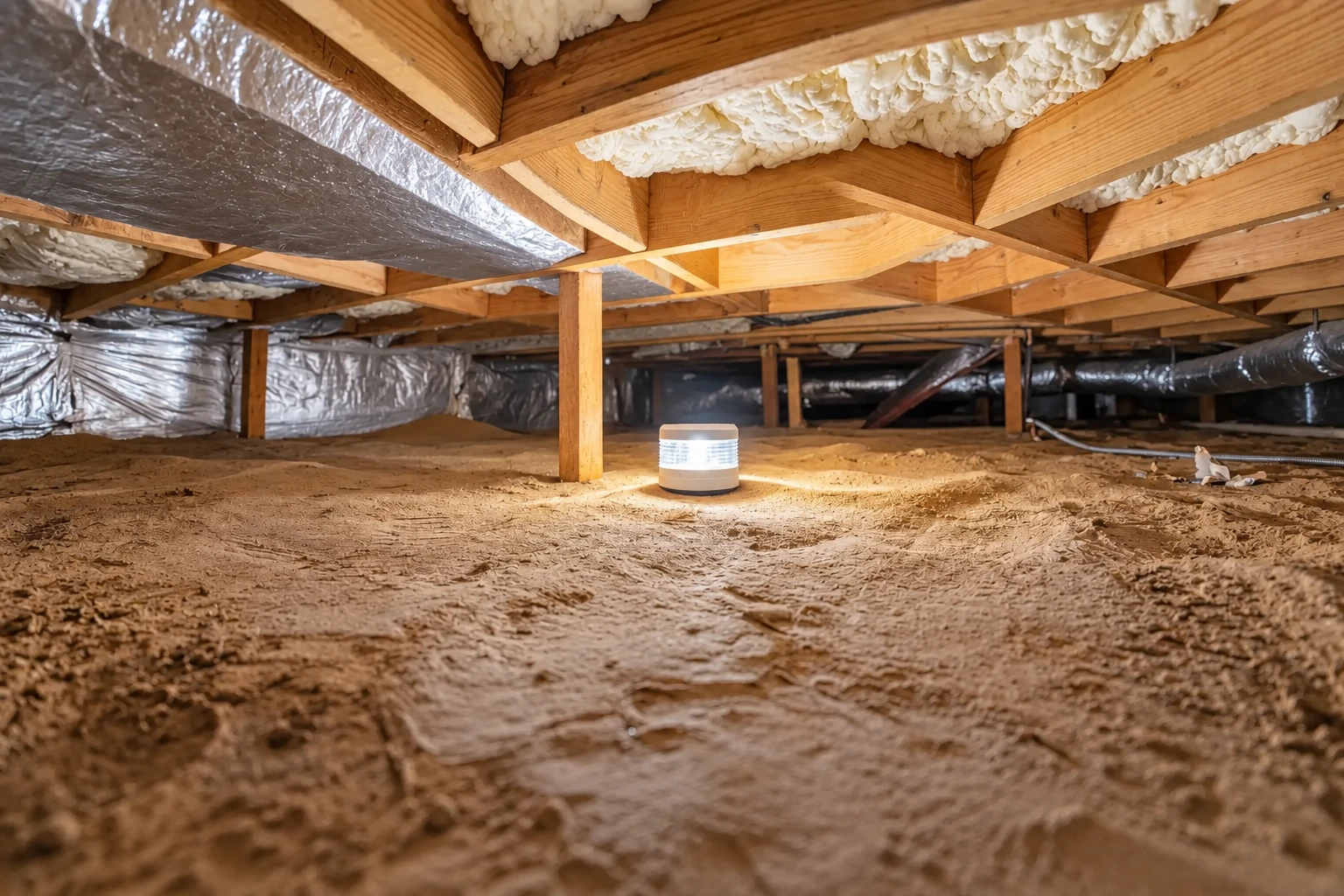
A heavy plastic sheet over a crawl space's dirt floor that keeps ground moisture out of the floor above. Standing water gets dealt with first, because a sheet over a puddle only hides it.
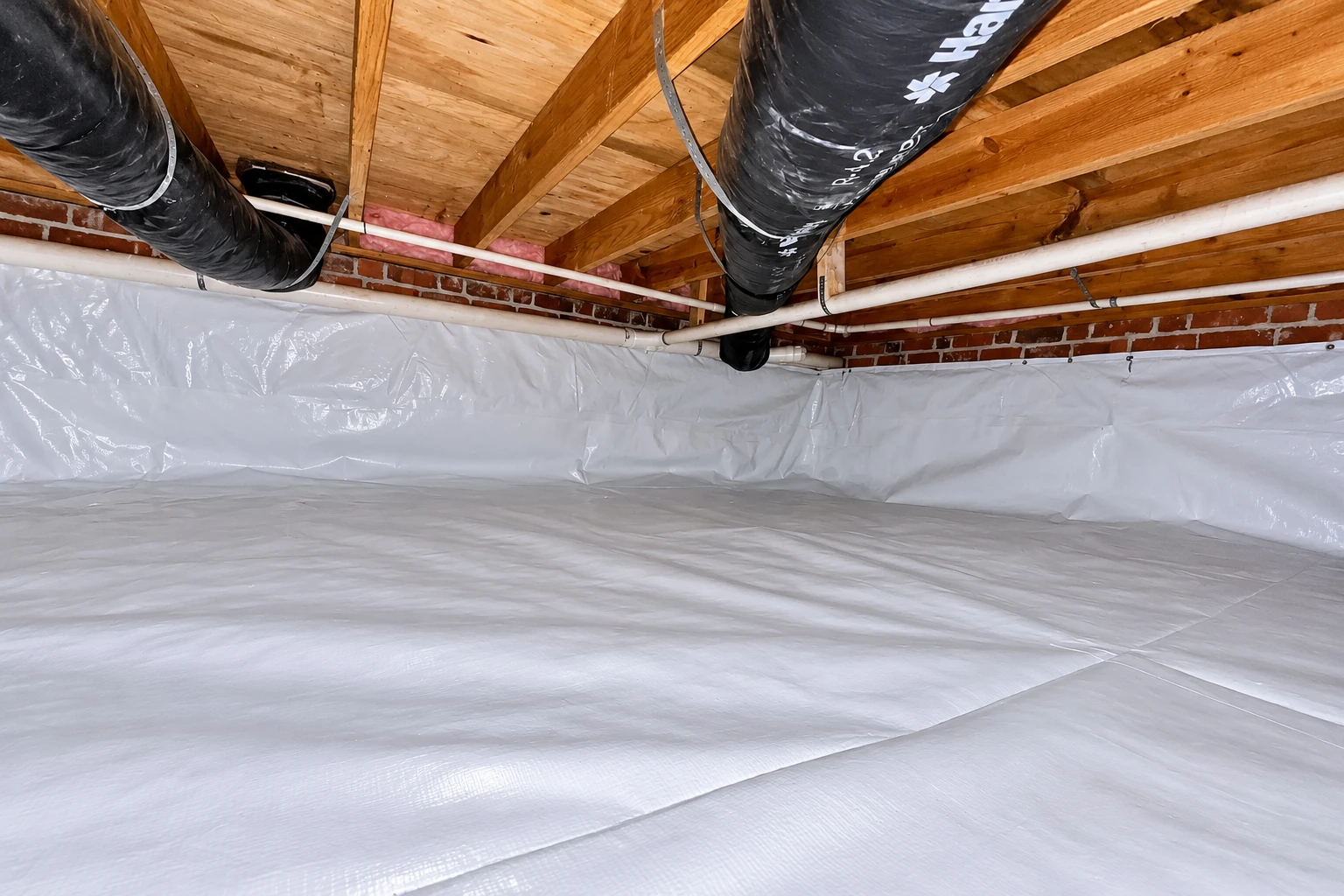
A layer that keeps moisture from moving through walls, basements or attics, where it can show up later in the framing. Where it goes depends on the space, so we look before we decide.
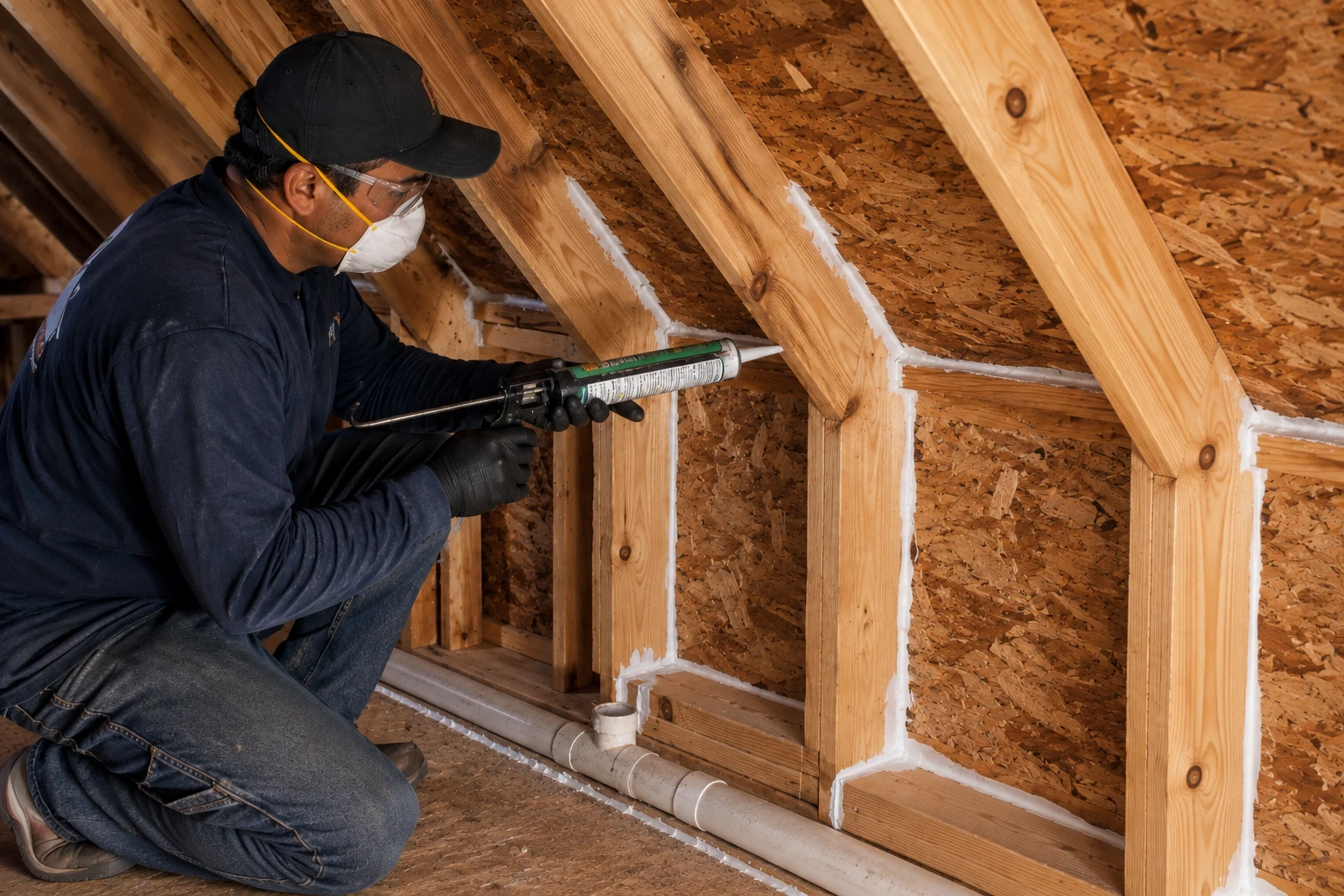
Sealing the attic floor around can lights, pipes, wiring and the hatch before insulation goes on top. Skip it and the new insulation ends up fighting a draft you pay for every month.
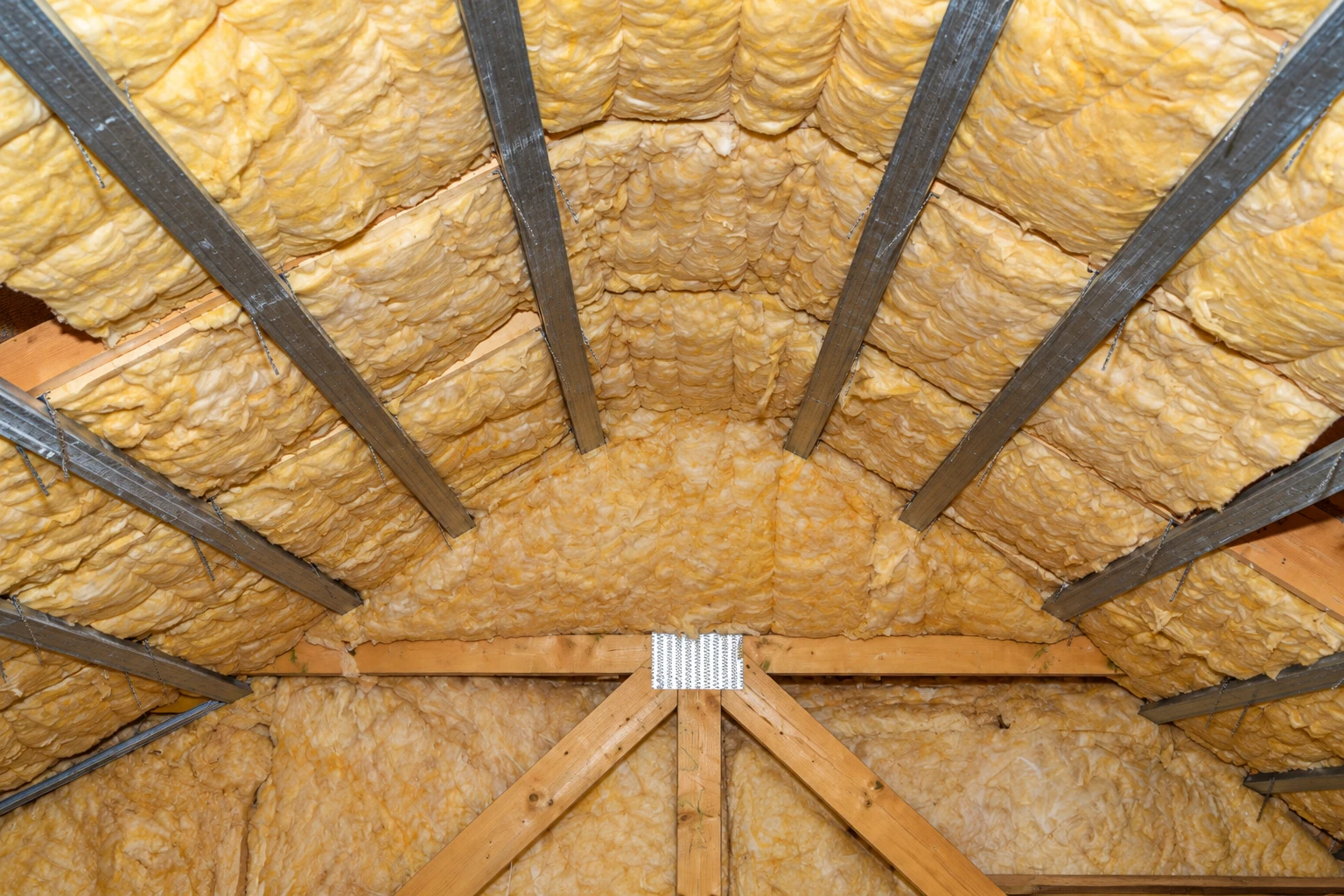
Adding insulation to a house that's already built and lived in, usually an older one with a thin attic and empty walls. We work with what's there unless it's wet or dirty.
I spent years doing upkeep for a property management company, crawling into attics and crawl spaces nobody else wanted. I started this business in 2017 after fixing the same cold rooms and damp crawl spaces often enough to know how they should've been done. Whoever did them first was in a hurry.
Homeowners call us, and so do landlords and property managers who knew me from the old job. Everyone gets the same order of work, because insulation laid over a roof leak or a wet crawl space only hides the problem for a while. We're licensed and insured, and there's more about us if you want it.
I come out for every estimate and look over your attic or crawl space myself, so the price matches what's really up there and not a guess from the driveway.
We close up the gaps first and insulate second, so the new insulation isn't fighting a draft and you're not paying to heat the attic.
If there's a roof leak, a wet crawl space or old vermiculite, we tell you plainly what has to happen first. I'd rather you wait than pay for the job twice.
Here's how an insulation job goes with us, from your first call to the final walk-through.
You call, and I come out to look at your attic, crawl space or walls myself. Nobody talks price until I've seen what's actually up there.
You get a written estimate that says what has to be fixed first, like a leak or wet insulation, and what we'd do after that. It's free, with no obligation.
Our crew seals and preps the space before any insulation goes in. When we're done, I walk the finished job with you so you can see what you paid for.
These examples show spray foam, blown-in attics and crawl space barriers, so you can point at what you have in mind when we talk.
Send the form or reach us through the contact page, and we'll reply within one business day to set a time. I come out and look at the space myself, then you get a written estimate with no obligation to book.
A hot upstairs, cold floors or a damp crawl space each point to a different place to look, so a sentence about it helps me bring the right questions.
We pick up from 7 AM to 11 PM on weekdays and 6 AM to 10 PM on weekends, so you can call after work or on a Saturday.
Every job is satisfaction guaranteed, and our crew cleans up before we pack up, so you're not finding scraps of fill in the hallway after we leave.
Straight answers to what people ask before they let an insulation crew into the attic or crawl space.
Usually not for an ordinary attic. Spray foam costs more because it seals air while it insulates, but sealing the gaps first and topping up loose fill gets most attics where they need to be for less. Foam earns its price when the ductwork lives in the attic, and I'll tell you which camp your house is in at the estimate.
It depends on the size of the attic, how easy it is to get into and whether anything has to come out or be repaired before we insulate. I'll give you an idea for your house when I look at it, and we'll set the days with you.
Usually, yes. You, the kids and the pets stay out while foam is sprayed and until the re-entry time passes, which is when it's safe to come back in, and we give you that time for your job before we start. Blown-in insulation in the attic usually doesn't need you out of the house.
It depends on the job, so we check with the office that covers your address before we start. In Springfield, the city's Building Division enforces the building codes and is the place to ask. If your job needs a permit, we take care of it.
Usually because the insulation went in without sealing the gaps around lights, pipes and the hatch, so air slips right past it. Another common one is coverage that's deep in the middle and thin at the edges, which is backward. Buried eave vents add moisture trouble in the framing, and we check for all three at the estimate.
Yes. We're based in Springfield and work across central Illinois, including Chatham, Decatur, Taylorville, Lincoln, Jacksonville and the cities around them. The estimate works the same everywhere, with me looking at the space before we price it.
Call (217) 210-0709 or send the form, and we'll set a time for me to see the space before anyone talks price.