The upstairs that bakes in July
A hot upstairs usually means a thin or uneven attic, and that same attic is letting your heat out all winter, so one fix helps in both seasons.
Drafty rooms, a hot upstairs or a power bill that climbs every winter? We find out why and insulate what actually needs it.
Home insulation in Springfield adds material to your attic and walls, usually along with air sealing, closing the gaps first, so the house holds its heat. Illinois summers run hot and humid and the winters run long and cold, which pushes the power bill up fast in a house that isn't ready for either.
What you notice is the room, but the cause is usually up in the attic, where the insulation is thin, the gaps were never sealed, or both. The price turns on how much is already up there, whether old material has to come out first, how many gaps need closing and whether the job calls for blown-in, loose fill blown through a hose, or foam. The schedule mostly turns on whether anything needs fixing before we start and how much of the house we're doing. The estimate gives you the figure for your house once I've looked at the space.
I come out for every estimate myself and look over the attic, walls or crawl space first, because the right price depends on what's actually up there, not a guess over the phone.
Insulation laid over a roof leak or a wet crawl space only hides it for a while, so if the space isn't ready, I'll tell you to wait instead of selling you the job.
Before I started this business in 2017, I did upkeep for a property management company, which meant a lot of attics and crawl spaces nobody else would go into.
The first question is whether you need more at all, and sometimes the honest answer is no. If you do, we pick the method that suits the attic or walls you've got, not the one that costs the most, and we're licensed and insured. Our crew seals the gaps around can lights, pipes and the attic hatch first, so the new insulation isn't fighting a draft. We keep the eave vents at the roof edge clear so the attic can still breathe, and we carry the depth all the way out to the edges, which is right where whoever did it last usually went thin. I'm on most jobs, or I check them before we pack up.
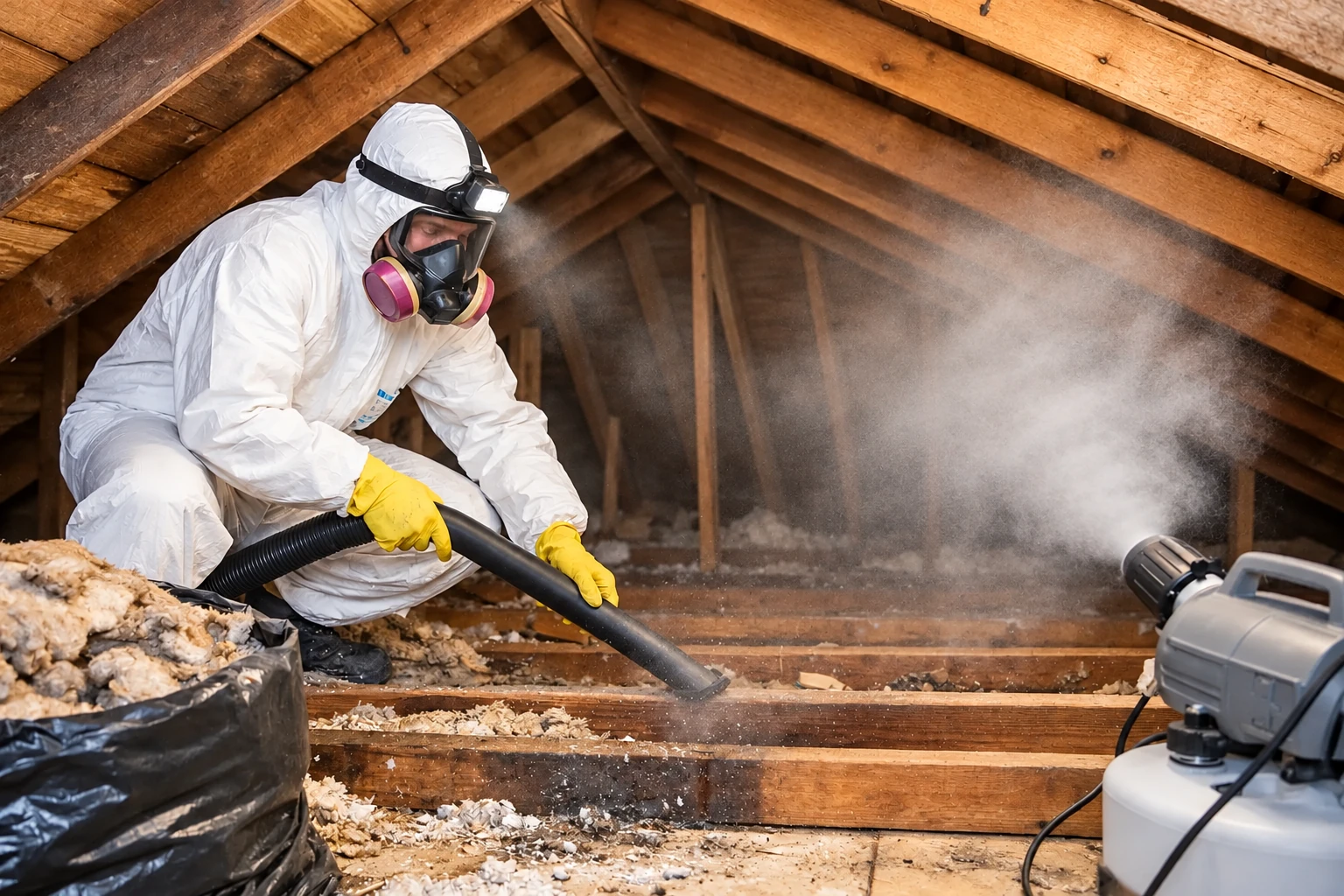
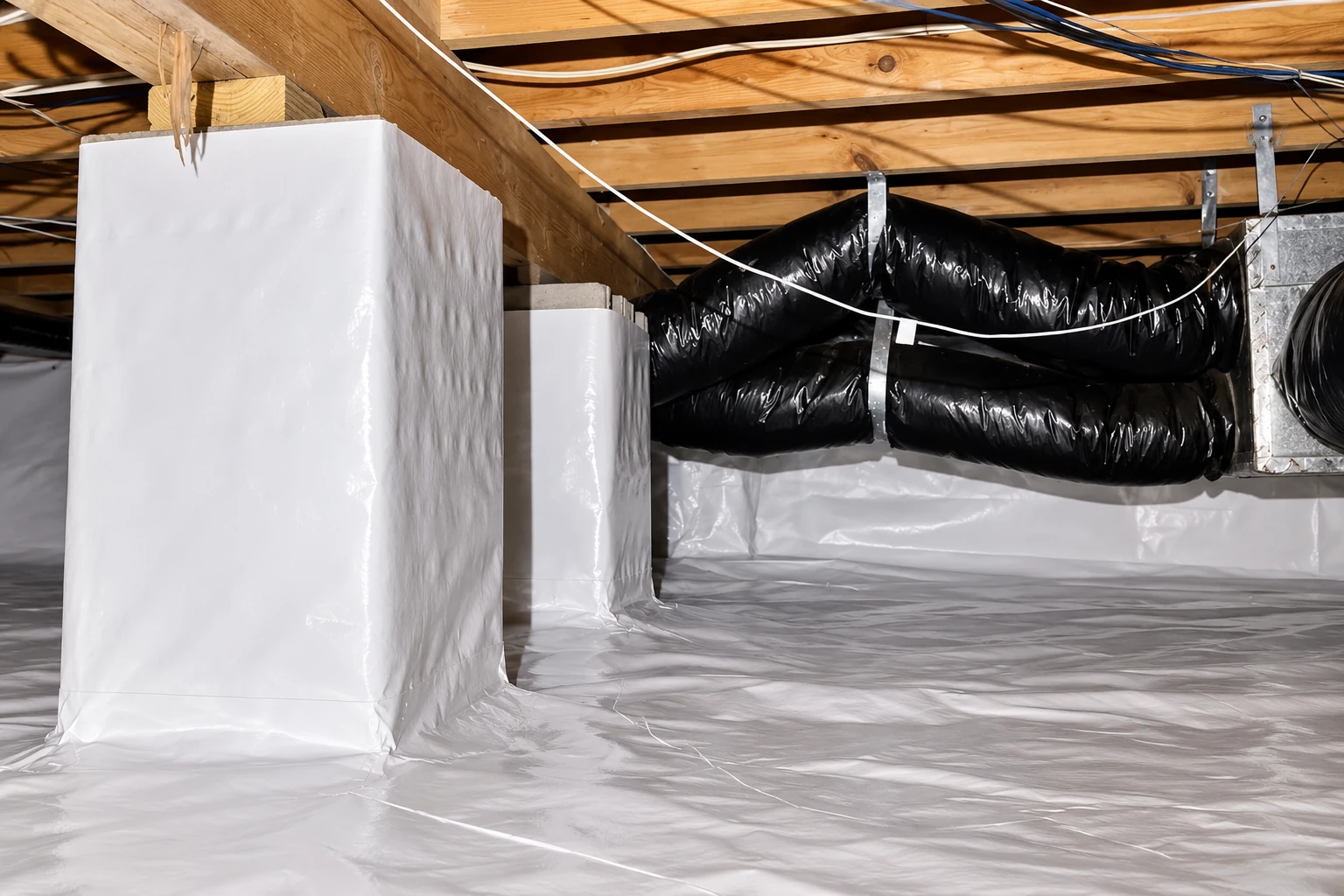
Two jobs often come with this one. When the old layer is soaked, matted or full of droppings, insulation removal comes first, because fresh material on top just keeps the mess. When the cold is coming up through the floors, crawl space insulation is usually the better place to spend the money.
A hot upstairs usually means a thin or uneven attic, and that same attic is letting your heat out all winter, so one fix helps in both seasons.
It loses heat from below and above, and whoever finished it usually skimped on the floor, so we check the floor, ceiling and knee walls, the short walls under the roof slope.
A drafty room is usually an air leak, not missing insulation, so sealing the gaps around pipes, wiring and the attic hatch is often the cheaper part of the fix.
Landlords and property managers call us when a tenant reports the same cold room year after year. We find what's causing it and fix that, instead of patching it again next season.
Send the form and we'll reply within one business day to set a time. I'll come out myself, look over the attic and walls, and price what I see, with no obligation to book.
Which rooms run hot, drafty or cold underfoot tells me where to look first, so mention them in the form and I'll start there when I come out.
The age of the house tells me a lot about what I'll find in the attic and walls, so put it in if you know it, even roughly.
We're based in Springfield and work across central Illinois, including Chatham, Decatur, Taylorville, Lincoln, Jacksonville and the cities around them, so ask even if you're a little outside town.
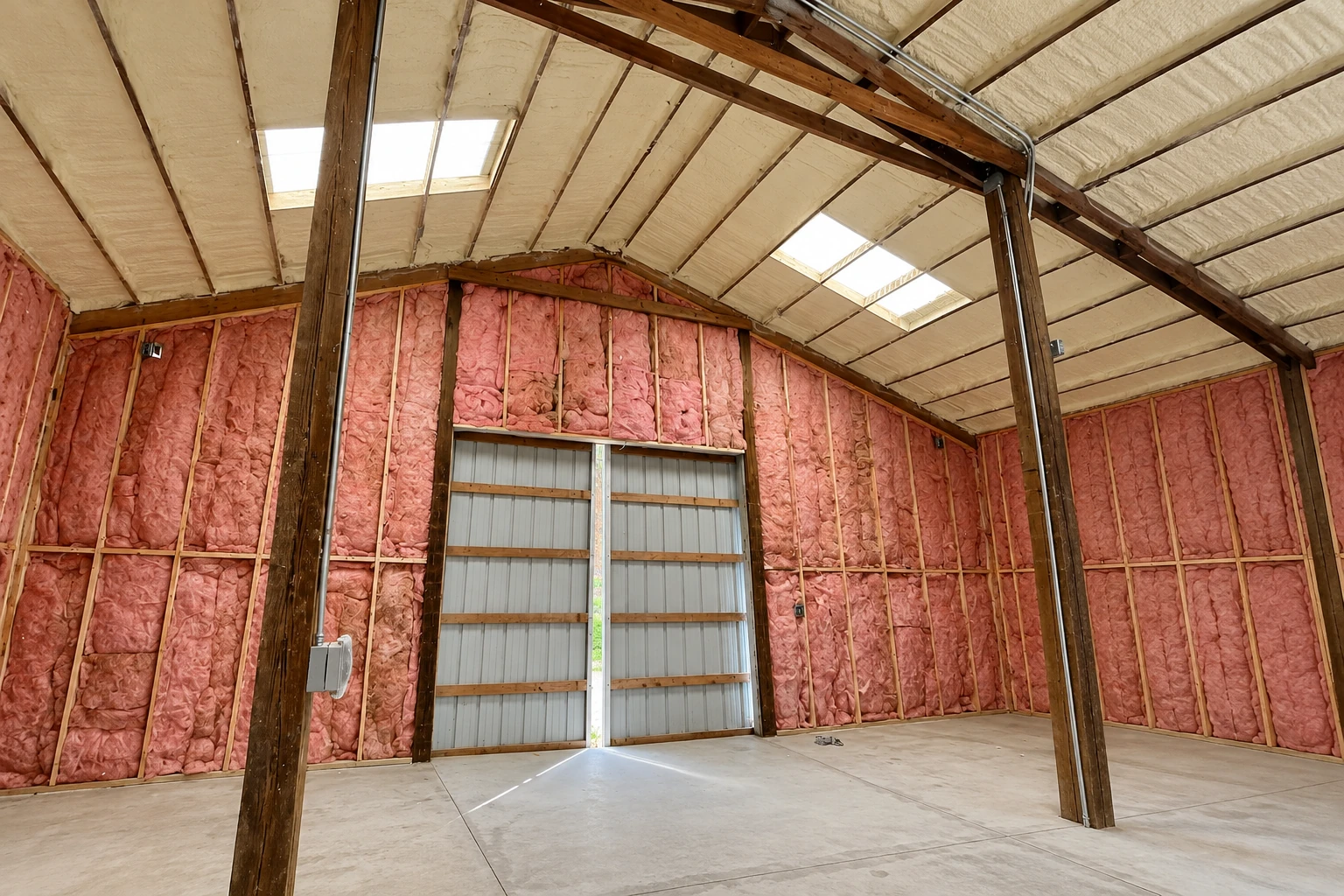
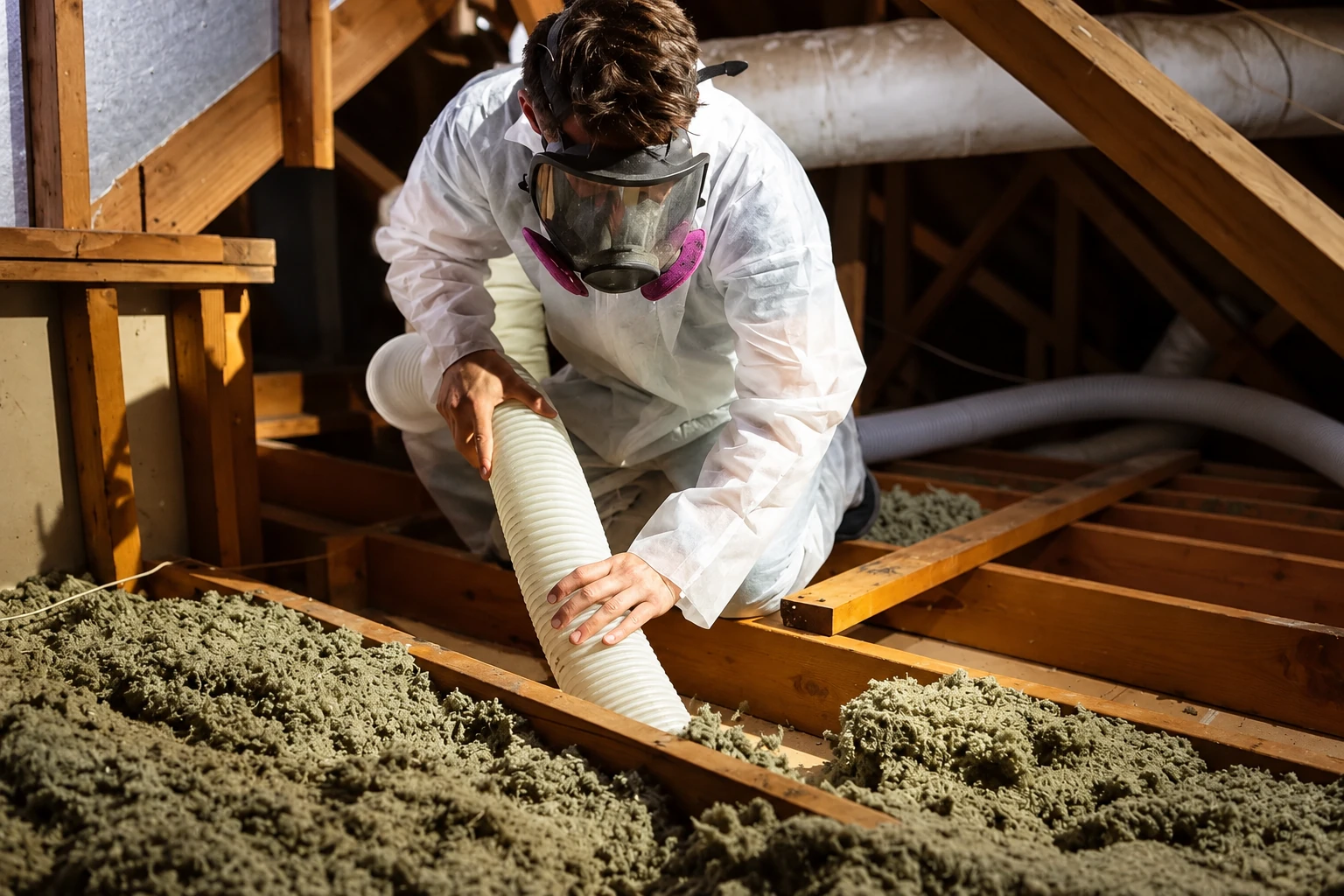
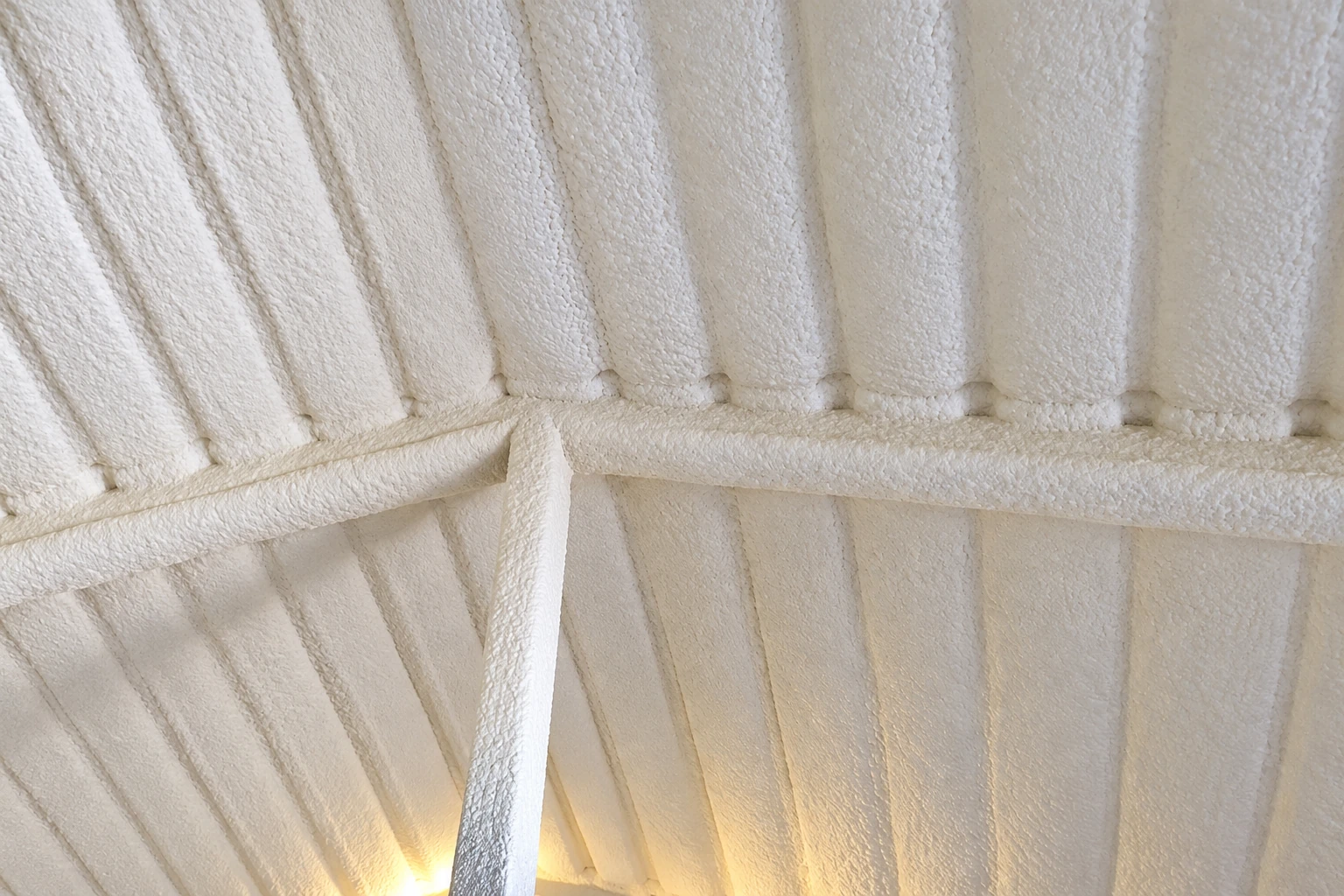
Blown-in attic floors, sprayed foam between rafters and sealed attic hatches, shown as examples to point at when we talk about your house.
Here's what Springfield homeowners ask me most about attic checks, cost, spray foam, walls and old insulation before they book anything.
If your attic insulation sits level with or below the floor joists, the beams you'd step across up there, adding more may make the house more efficient. If it sits well above them, more may not be worth what it costs. A flashlight and a look through the hatch will tell you, or I'll check it on the estimate.
Attic insulation in Springfield usually costs about $1,500 to $5,000 per job, and that's the area's going rate, not a quote. I'll give you your own figure after I've seen the attic. The state's weatherization program can pay for insulation and air sealing for income-eligible households, and many Illinois utilities offer free or discounted audits and may offer rebates, so check their current terms.
Usually not, if your attic is vented. The industry's own trade group says a vented attic done properly can match a spray foam retrofit for efficiency and durability, and foam costs more and takes longer. Sealing the gaps and topping up the loose fill usually wins. The exception is ductwork running through the attic, where foam's air seal earns its price.
Usually, yes. Blowing loose fill into the hollow spaces with air-powered equipment, or foaming insulation in place, is the most economical way to insulate walls that are already finished, so you aren't paying for new drywall. Which one fits depends on what's in the wall now, and I'll check that before we price it.
Leave it alone, because the EPA says disturbing vermiculite could release asbestos fibers into the air. It's pebbly, poured in and usually gray-brown or silver-gold, and you can compare yours to the EPA's photos without touching it. If you remove it, the agency says to hire a trained, accredited asbestos abatement contractor separate from whoever assessed it.
For air sealing and blown-in work you can usually stay home, though you'll want kids and pets kept away from the hatch. Spray foam is different, because there's a re-entry time, the wait before you can come back inside, and the foam maker sets it. We go by their instructions and tell you the time before we start.
Call (217) 210-0709 or send the form, and tell us if your can lights are rated IC, since that decides whether insulation can touch them.