
Rim joists over the foundation
That strip of framing at the top of the basement wall lets in more cold air than most people expect. Foam seals the gaps between the boards and insulates in the same pass.
Cold floors over the basement or a damp draft along the foundation? We spray dense foam that stops the air and holds back the moisture.
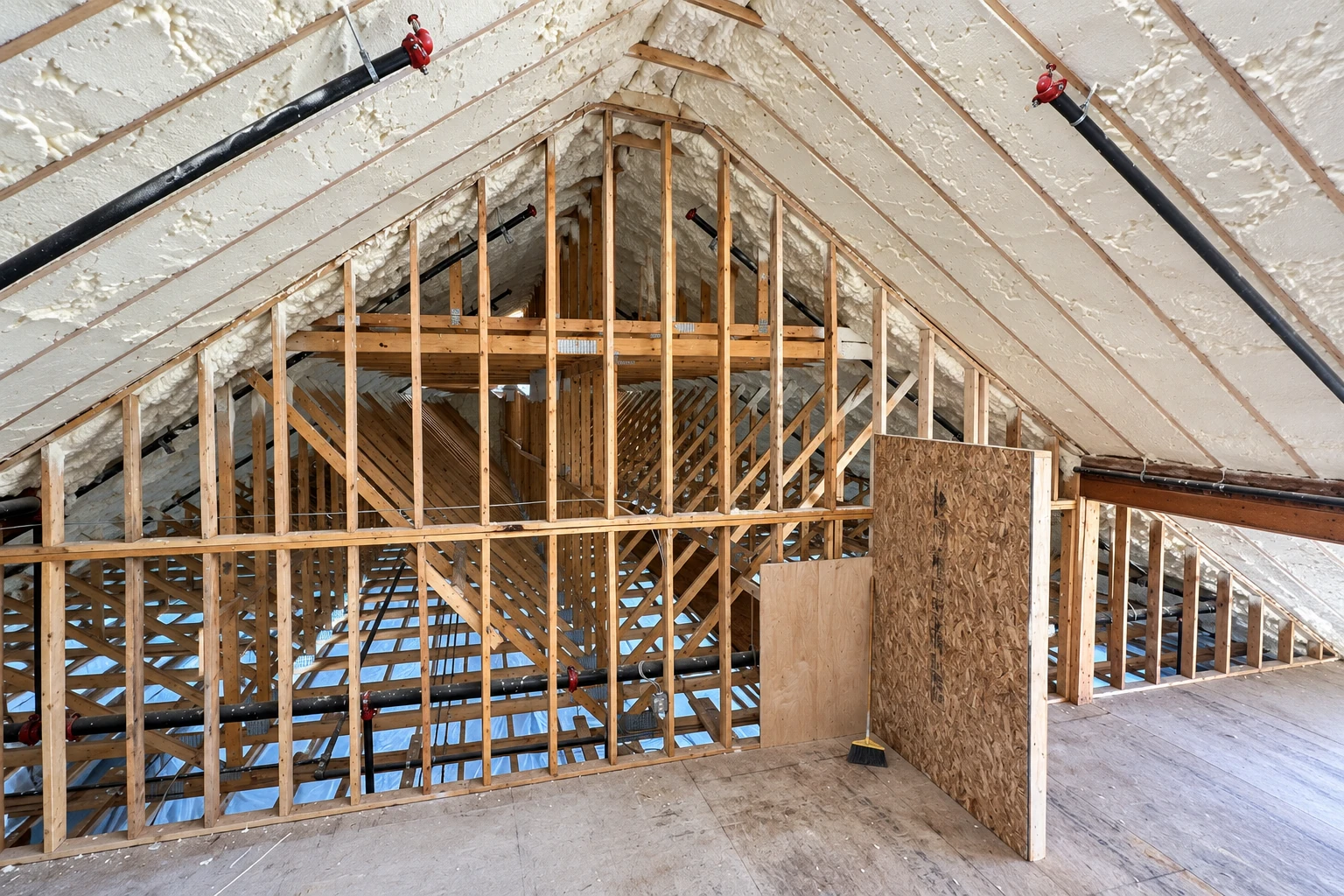
Closed-cell foam insulation is a dense spray foam that seals air leaks and blocks moisture in the same coat, and in Springfield, IL we use it mostly where drafts and damp show up together, on basement walls, rim joists and floors over cold spaces.
Prime Springfield Spray Foam Insulation is based in Springfield, and we do this work across central Illinois, including Chatham, Decatur, Taylorville, Lincoln, Jacksonville and the cities around them. Most calls start with a cold floor over the basement, a musty smell down there, or a draft along the rim joist, the board at the top of the foundation that the floor framing sits on, which whoever built the house usually left bare. The price moves with how many square feet we're covering, how thick the foam goes, how easy the space is to reach and whether old insulation has to come out first. The schedule turns on whether the wall is dry and when you can plan time away from the house. I look over the space myself before we put a number on it, so the estimate is for your house and not a guess.
I spent years on upkeep for a property management company, crawling attics and crawl spaces nobody else would. I started this business in 2017 after fixing the same cold rooms too many times.
Our crew does the install, and I'm on most jobs or checking them before we pack up, so a thin spot or a missed corner gets fixed while the rig is still here.
We're licensed and insured, and satisfaction guaranteed is how we work. Homeowners call us, and so do landlords and property managers who knew me from my maintenance days.
I start by looking at the space and telling you straight whether it needs closed-cell, because it costs more and not every spot needs what it does, though basement walls and rim joists usually do. Any water coming through the foundation gets fixed before we spray, since foam over a leak just hides it for a while. On install day our crew covers what shouldn't get foam on it, pulls out any old insulation that's wet or full of droppings, and sprays the walls and rim joists to an even depth, edges and corners included, so there's no thin spot for a draft to find. Then we trim, clean up and leave the house to air out before you come back in, which the questions below cover.
For a wall where moisture isn't the worry, open-cell foam insulation costs less and may be the better fit, and I'll say so at the estimate if it is. We also spray foam in shops, offices and rental buildings as part of our commercial insulation work, and we size those up the same way before pricing them.
That strip of framing at the top of the basement wall lets in more cold air than most people expect. Foam seals the gaps between the boards and insulates in the same pass.
If you're finishing the basement or just tired of a cold, musty room down there, foam on the concrete stops air and damp before any framing or drywall goes up.
When the bedroom over the garage is cold every winter, the floor between the two is usually bare or barely covered. Foam under that floor seals off the garage air and holds the heat.
In most attics, sealing the gaps and topping up loose fill wins on price. When your furnace ducts run up there, foam under the roof keeps them in the warm part of the house.
Send the form and we'll reply within one business day to set a time. I come out myself, look over the space and give you a free estimate, with no obligation to book.
A rough square footage of the walls, or the length of the basement, is plenty. I'll measure anyway, but it lets us talk about whether closed-cell makes sense before I drive out.
If the basement leaks, seeps or smells damp, say so in the form. Leaks get fixed before we spray, so knowing early helps us plan the order and the date.
Tell us what's on those walls today and roughly how old the house is, because both change what has to come out before our crew sprays anything.
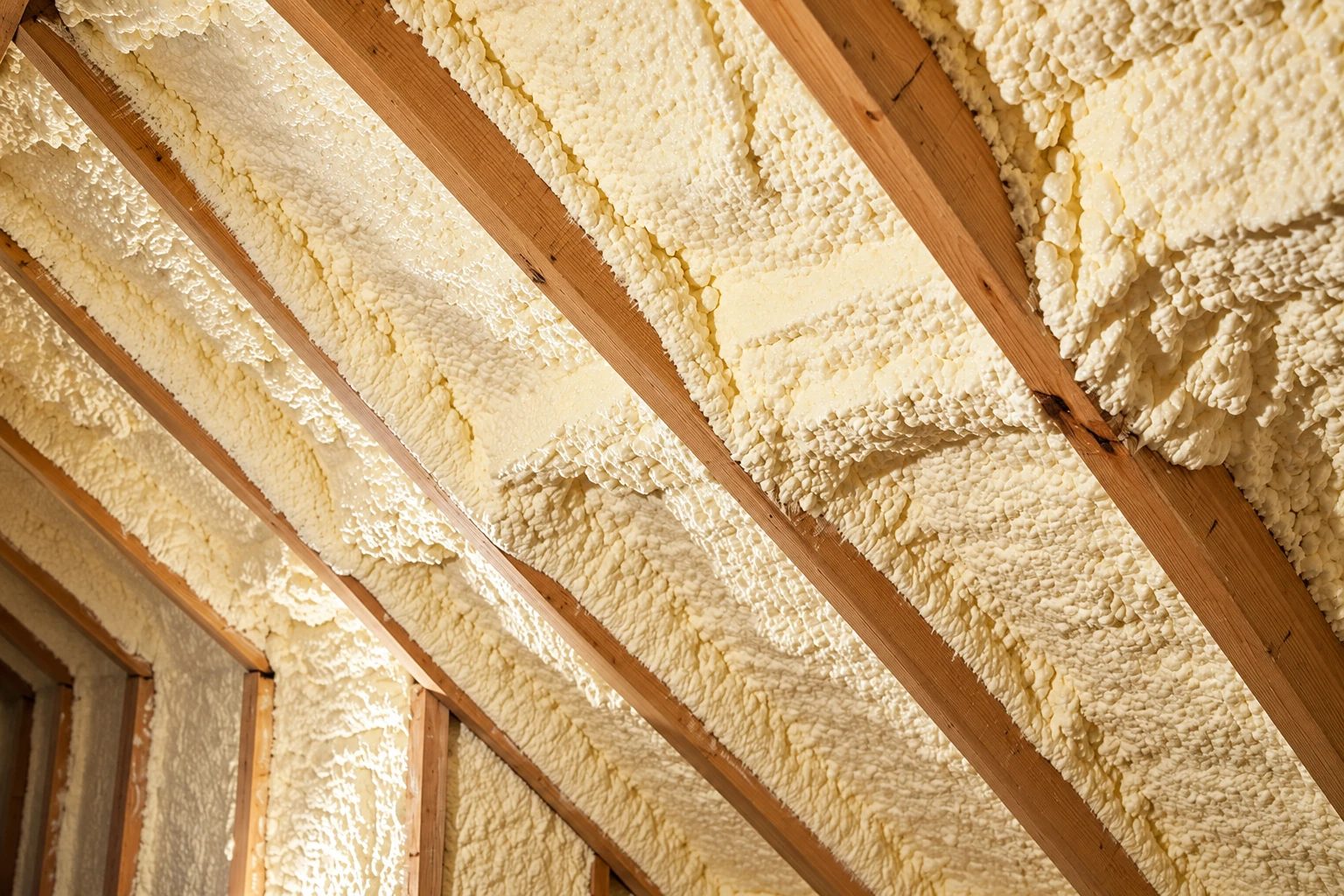
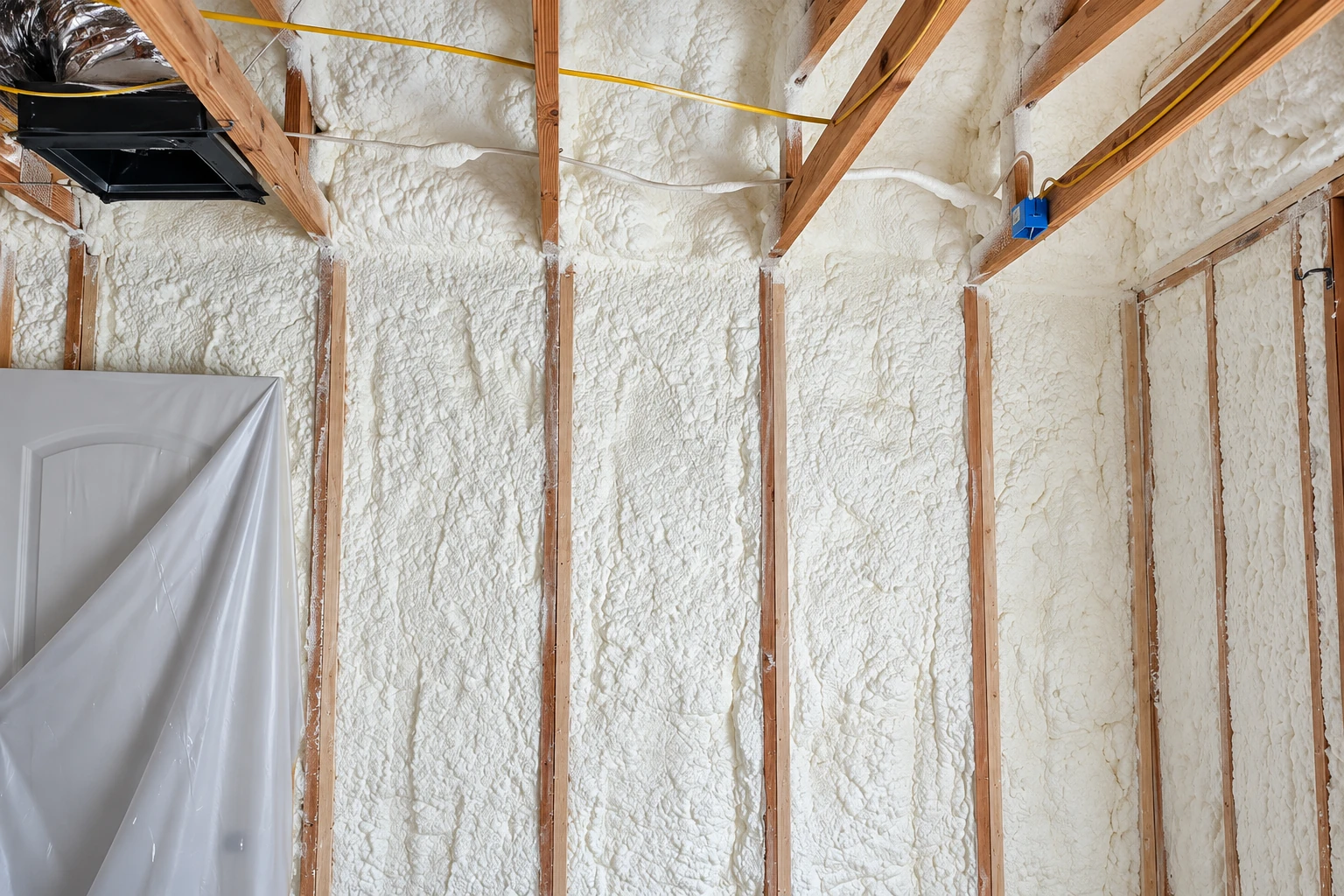
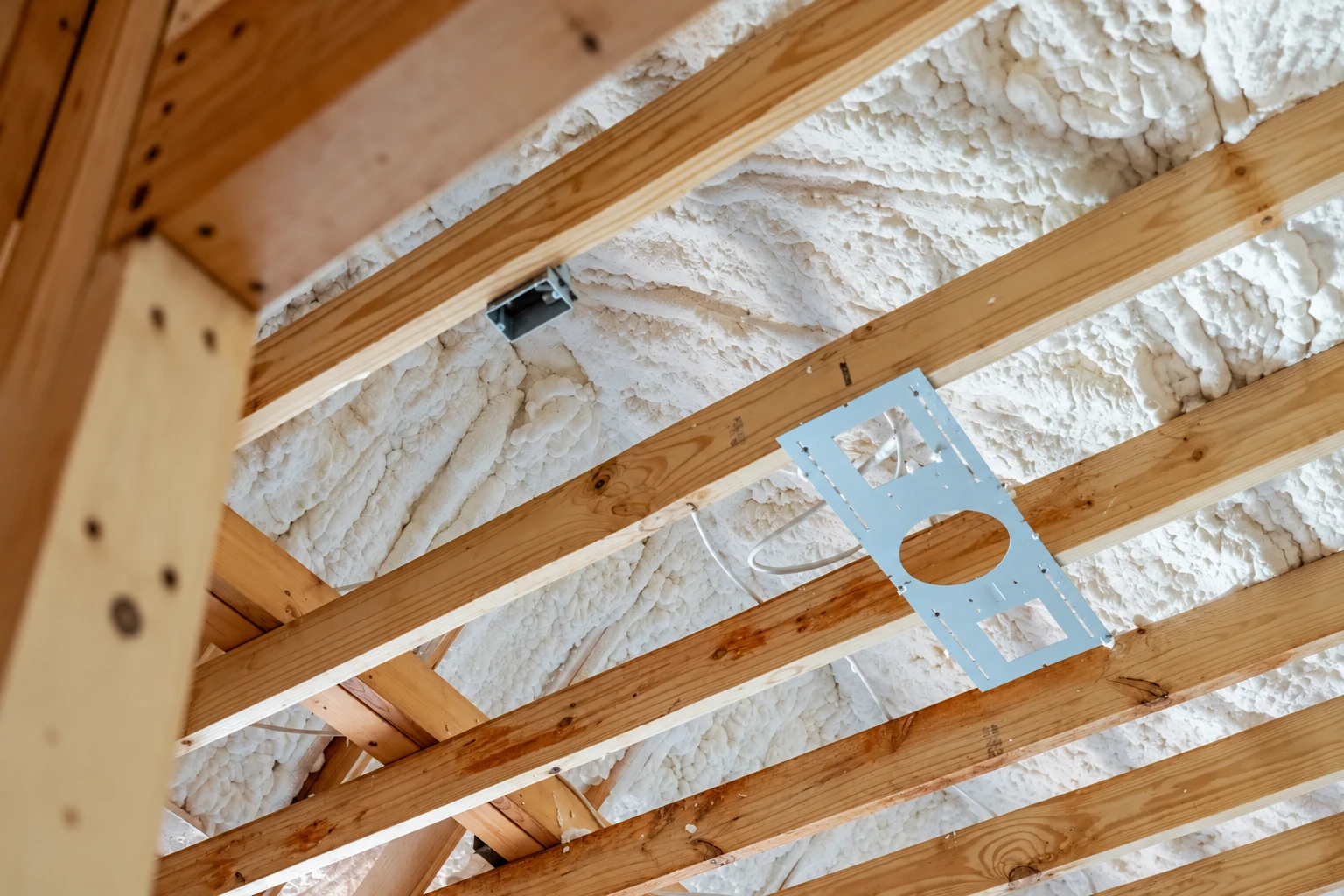
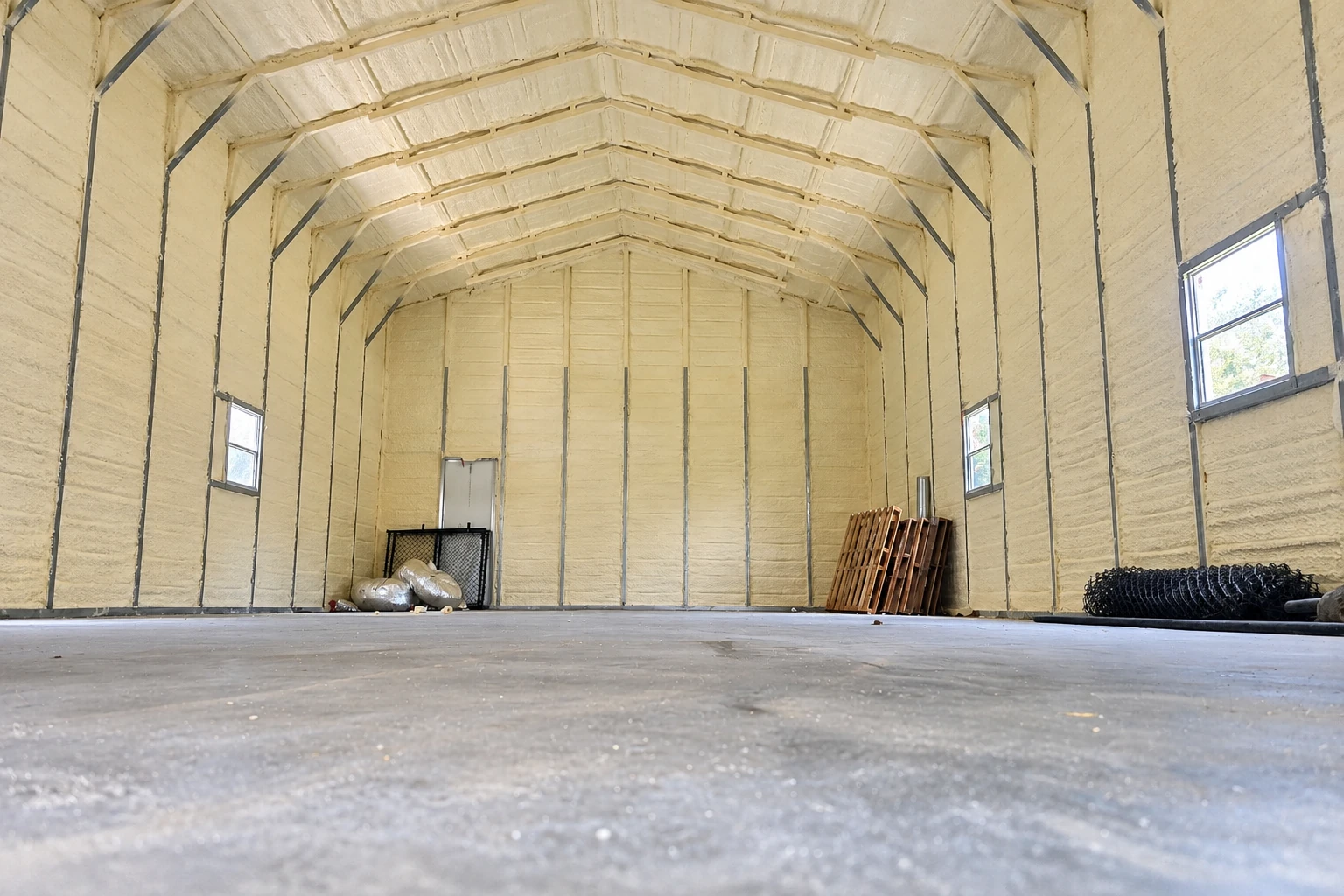
Examples of sprayed basement walls, foamed rim joists and finished foam surfaces, to help you picture what we'd talk through for your space.
Straight answers on price, closed-cell against open-cell, basement walls, timing and how long you'll be out of the house.
Closed-cell spray foam covering 1,000 square feet at 3 inches thick usually costs about $2,800 to $4,200 in Springfield. That's the area's going rate, not our price. A federal guide says rim joist foam over 3.25 inches thick, or foam in a room you live in, needs a cover such as drywall, which adds to the job.
Closed-cell is about twice as energy efficient per inch as open-cell, which is part of why it costs more. Open-cell is the much better sound barrier, though, so a room you want quiet can come out ahead with it. It comes down to energy per inch against price and noise, and I'll tell you which side your space falls on.
Yes, closed-cell spray foam gives the best moisture control of any insulation used on the inside of foundation walls, and it's an excellent air barrier. The wall has to be ready first, though. Guidance says to inspect it and fix any water problems in the basement, crawl space or along the foundation before foaming, so budget for that repair as step one.
Industry guidance usually says to stay out for 24 hours, so plan somewhere for the whole household to spend that day, kids and pets included. If anyone at home has asthma, respiratory allergies, skin conditions or a past reaction to isocyanates, a chemical in spray foam, safety guidance says to review the product information carefully before going ahead.
Ask your installer before you pick a date, because foam cures differently depending on conditions, and safety guidance suggests asking what season suits spray foam where you live and what weather could affect it. I'll go over that at the estimate, along with a date that works for your day out of the house.
Call (217) 210-0709 weeknights until 11 PM or weekends until 10 PM, so you can set it up without taking time off work.