
Drafty, hot upstairs rooms
If the upstairs runs hot in summer and drafty in winter, the attic floor is usually leaking. Sealing it keeps the air you paid to heat or cool in the rooms below.
Drafty upstairs and a power bill that keeps climbing? We close the holes in your attic floor so your heated and cooled air stays put.
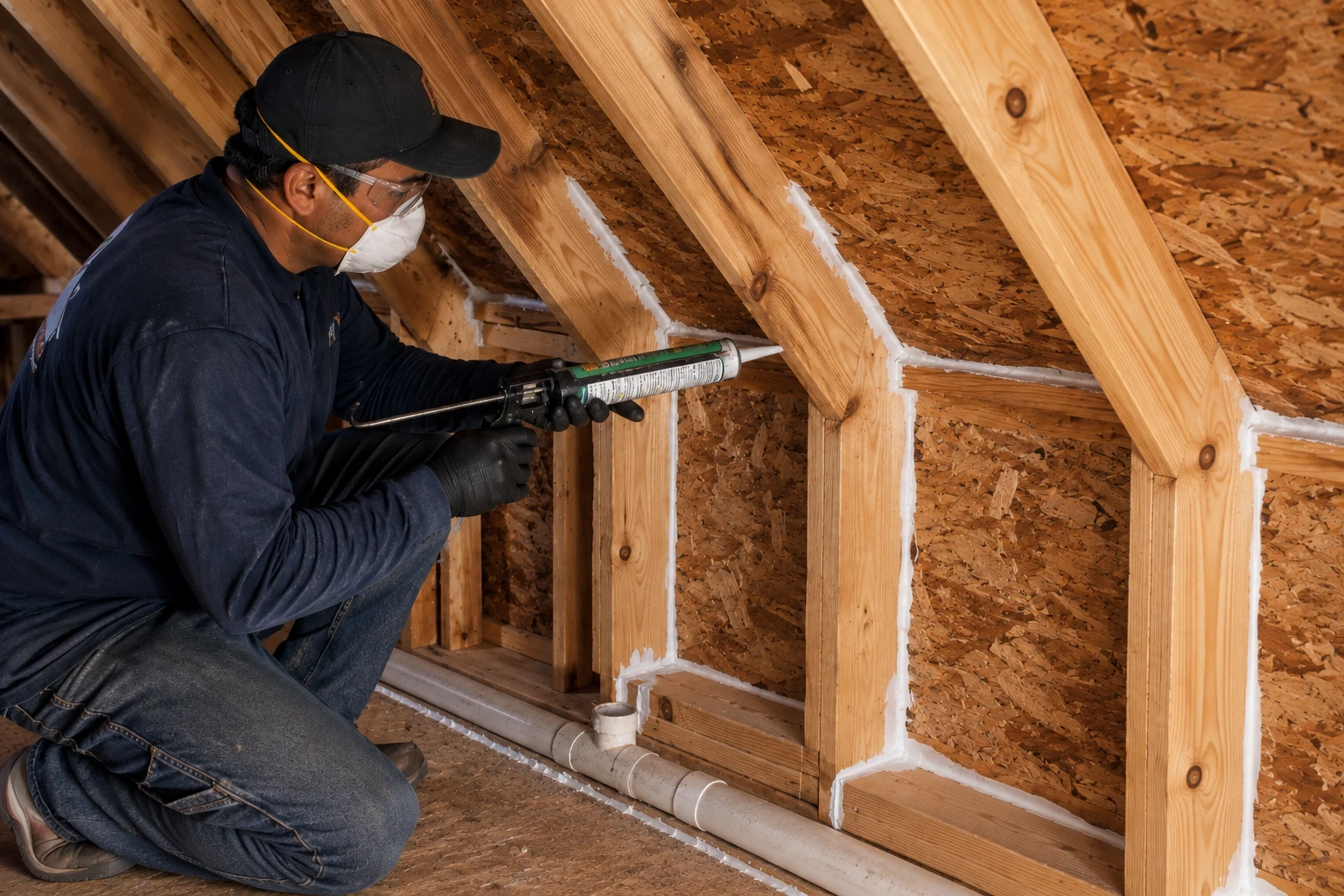
At Prime Springfield Spray Foam Insulation, attic air sealing in Springfield, IL means closing the gaps in your attic floor around wires, pipes, light fixtures and the tops of walls, so heated and cooled air stays in the house instead of leaking into the attic.
Most attics I climb into have a few inches of insulation and a lot of holes under it, because whoever wired and plumbed the house drilled through the ceiling and never came back to fill anything. The insulation sits there doing its best while house air slips right past it. The price moves with how many holes there are, how big they are, how much old insulation we have to move to reach them and how hard the attic is to get around in. The schedule turns mostly on whether the attic is ready, because anything wrong up there gets fixed before we seal. I'll give you your number once I've been up there. We're licensed and insured, and if your job turns out to need a permit, we take care of it.
I come out for every estimate and go through the attic before we price it, so the number covers what's actually up there and not what someone guessed from the driveway.
I started this business in 2017 after years of upkeep for a property management company, crawling attics nobody else would. I've seen plenty of what happens when the work goes in the wrong order.
Our crew does the install, and I'm on most jobs or checking them before we pack up, so the sealing gets looked over before it's covered with insulation again.
Once the attic is clear to work in, our crew pulls back the old insulation where we need to reach the attic floor and goes after the big holes first, starting where the walls meet the attic, since that's usually where the most house air gets out. Then come the smaller gaps around wires, pipes and light fixtures, and the hatch gets weatherstripped like an outside door. We leave the soffit, ridge and gable vents open, along with any combustion air ducts, because an attic that can't breathe ends up with wet framing. Around chimneys and hot flues we use metal, not foam, since foam has no business that close to something that hot. Then we put the insulation back, even it out so the edges aren't thin, and clean up.
Sealing is often half the job. If your attic is short on insulation, retrofit insulation adds to what's already there once the holes are closed, which is the order it should go. Spray foam insulation costs more and seals air while it insulates, but for most attics, sealing the gaps and topping up loose fill makes more sense. The exception is when your ductwork lives up there, and then foam usually earns its price.
If the upstairs runs hot in summer and drafty in winter, the attic floor is usually leaking. Sealing it keeps the air you paid to heat or cool in the rooms below.
Rooms over a garage and rooms with sloped ceilings have kneewalls, the short walls tucked under the roof, and the spaces behind them tend to leak. We seal those while we're up there.
Once new insulation goes down, the holes under it are buried for good. Sealing first means the new layer isn't fighting a draft from the day it goes in.
Landlords and property managers call us too, some who knew me from my maintenance days. A rental attic gets the same look and the same order of work your own house would.
Send the form and we'll reply within one business day to set a time. I come out, go through your attic and give you a free estimate, with no obligation to book.
If you know of vermiculite, old knob and tube wiring, bathroom fans venting into the attic or gas appliances in the house, put it in the form. It helps me plan the visit.
Take the estimate, think it over and call back when you're ready. That might be next week, or it might be after the roof gets fixed.
We're based in Springfield and work across central Illinois, including Chatham, Decatur, Taylorville, Lincoln, Jacksonville and the cities around them.
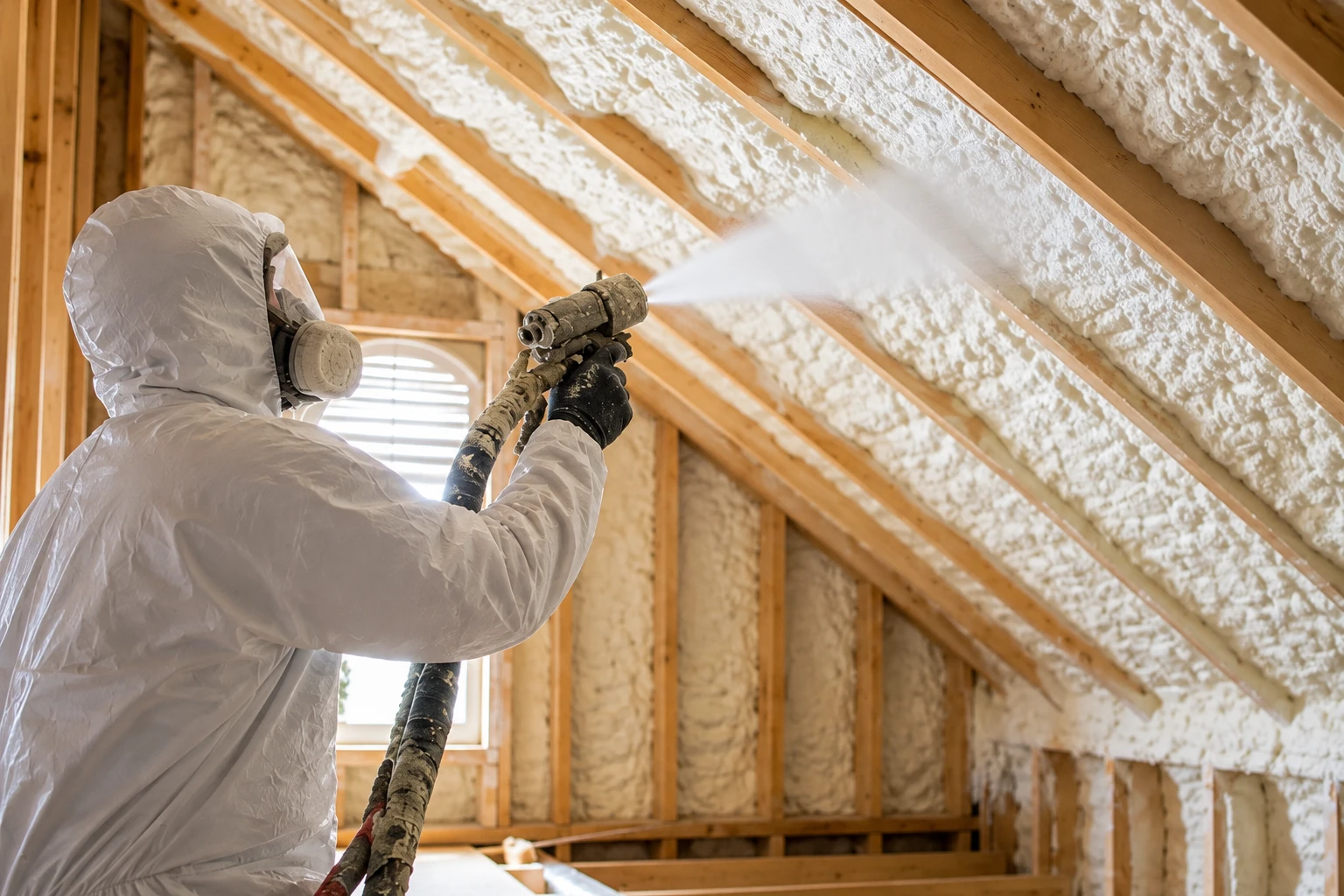
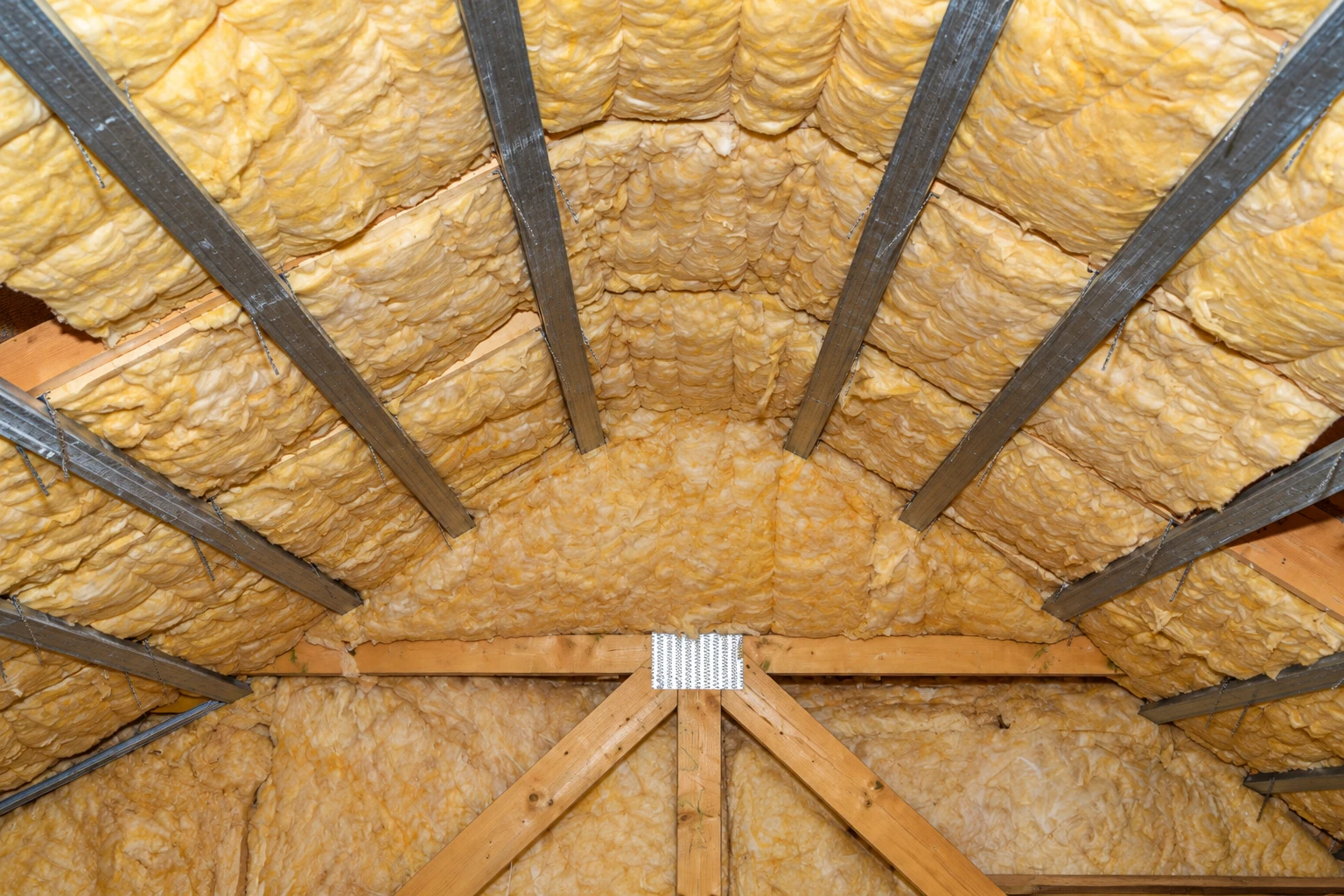
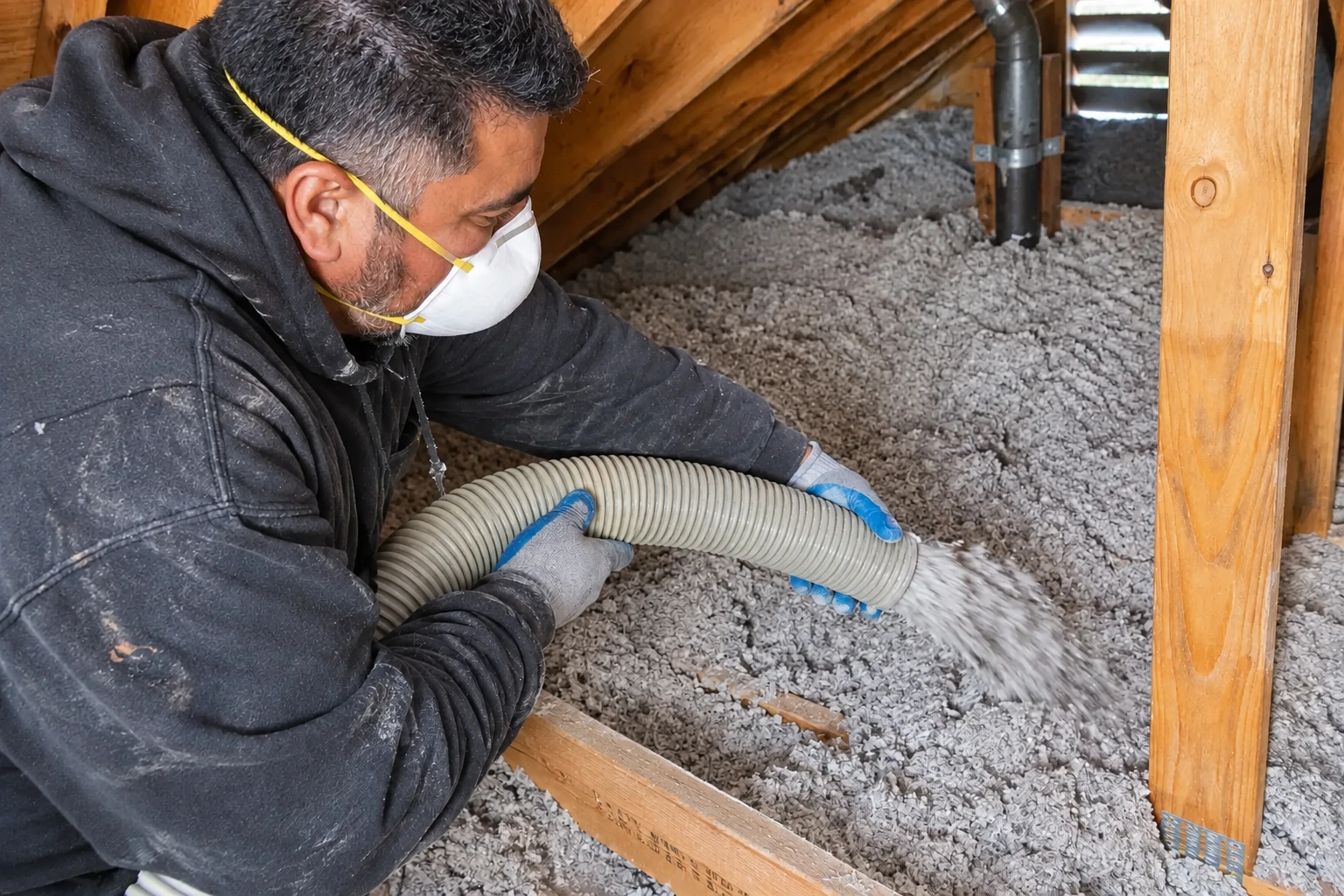
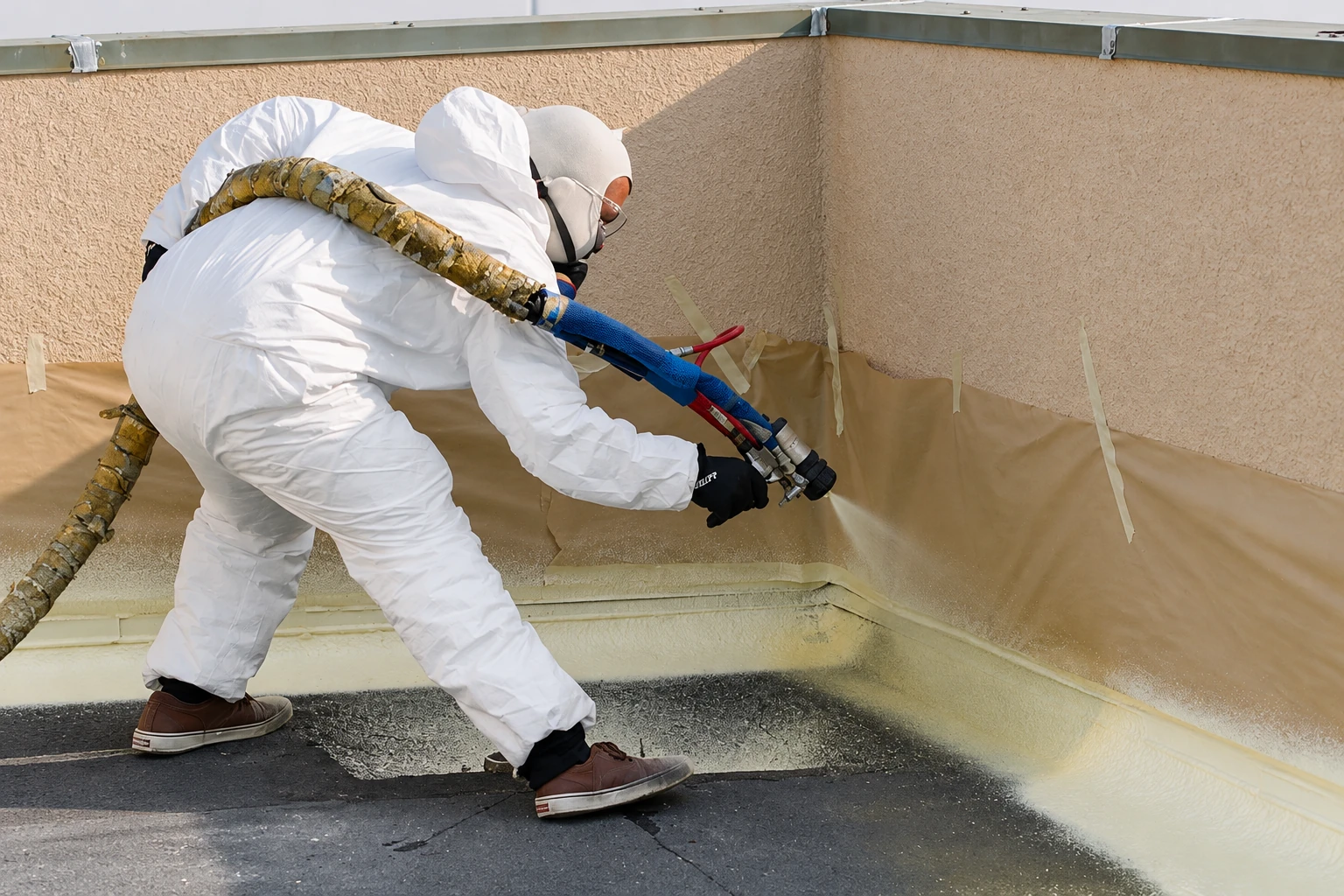
These photos show sealed attic floors, weatherstripped hatches and metal around flues, so you can point to what you'd like to talk over.
Here's what homeowners in Springfield usually ask about sealing an attic, from what can stop the job to permits and gas appliances.
Active knob and tube wiring, the old wiring strung on porcelain knobs, can hold it up, and so can vermiculite insulation, bathroom fans venting into the attic, a leaking roof, or an unvented kerosene heater or gas fireplace. Federal guidance says to stop until those are dealt with. I look for each of them at the estimate and tell you what has to happen first.
It can be, because the EPA advises treating vermiculite attic insulation as if it contains asbestos. Your choices are to leave it undisturbed or hire a trained professional to remove it. Sealing the attic floor means digging into the insulation, so we won't seal through vermiculite. Let me know if you think you have it.
It can, because once the house is tighter, carbon monoxide can build up if gas-burning appliances aren't venting properly. ENERGY STAR advises having a heating and cooling technician check the venting on your furnace, water heater and dryer. Plan that check alongside the sealing, and I'll bring it up at the estimate if you have gas appliances.
Springfield's permit list doesn't settle it either way. The city's Building & Zoning Department takes permit applications, and its list names building, roof, fence and other work, but not attic air sealing. The city's Building Division handles code inspections and permit reviews. We check with the office that covers your address before we start.
Usually, yes, darkened insulation marks where dusty house air has been leaking up through the ceiling. The same spots can show frost in cold weather or water stains in warm weather. Dirty insulation is still fine to use, so it doesn't need replacing. We seal the leak under it and lay it back down.
Our phone is answered evenings and weekends, so call (217) 210-0709 or use the form when you've had a look in the attic.