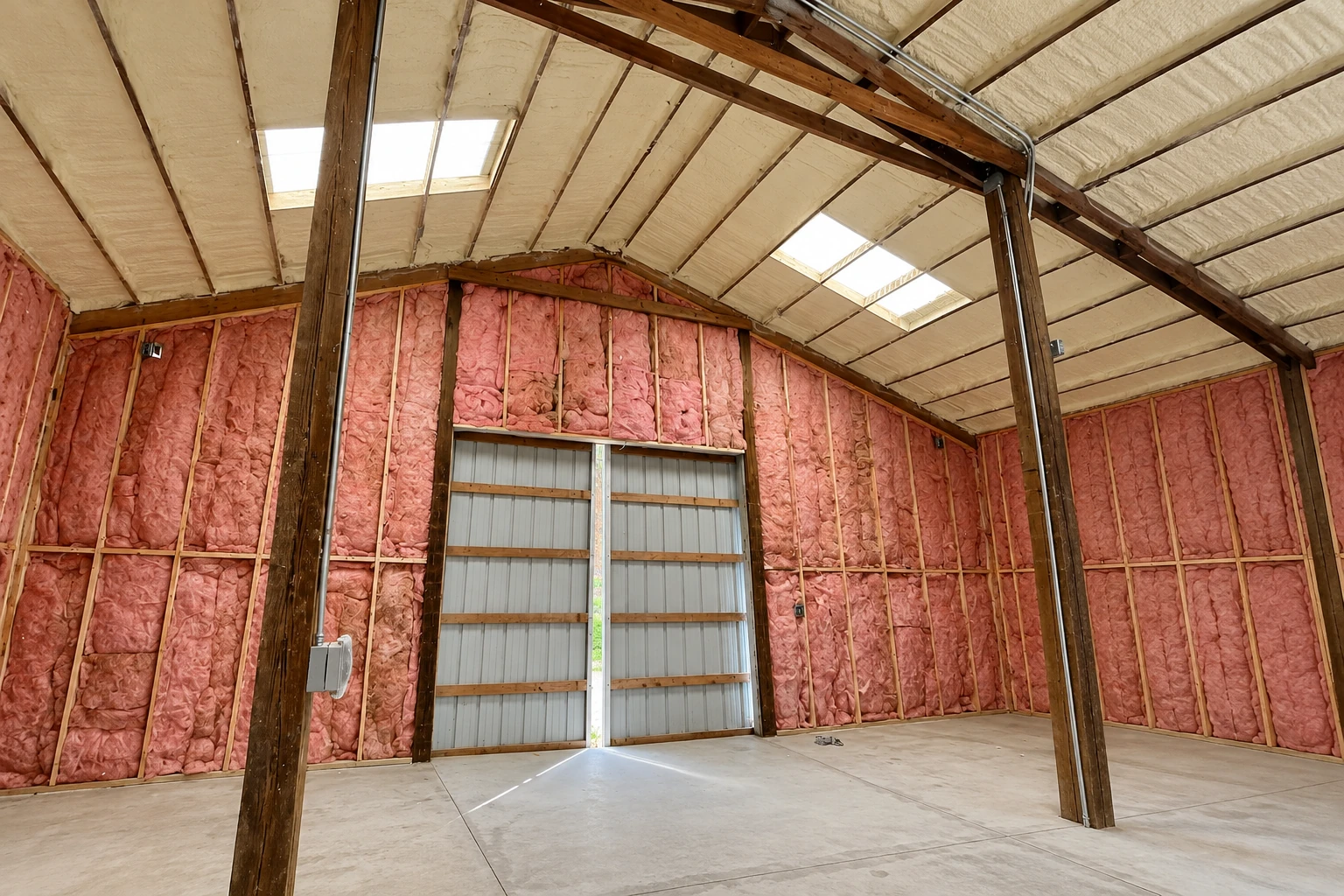
Thin coverage in an older house
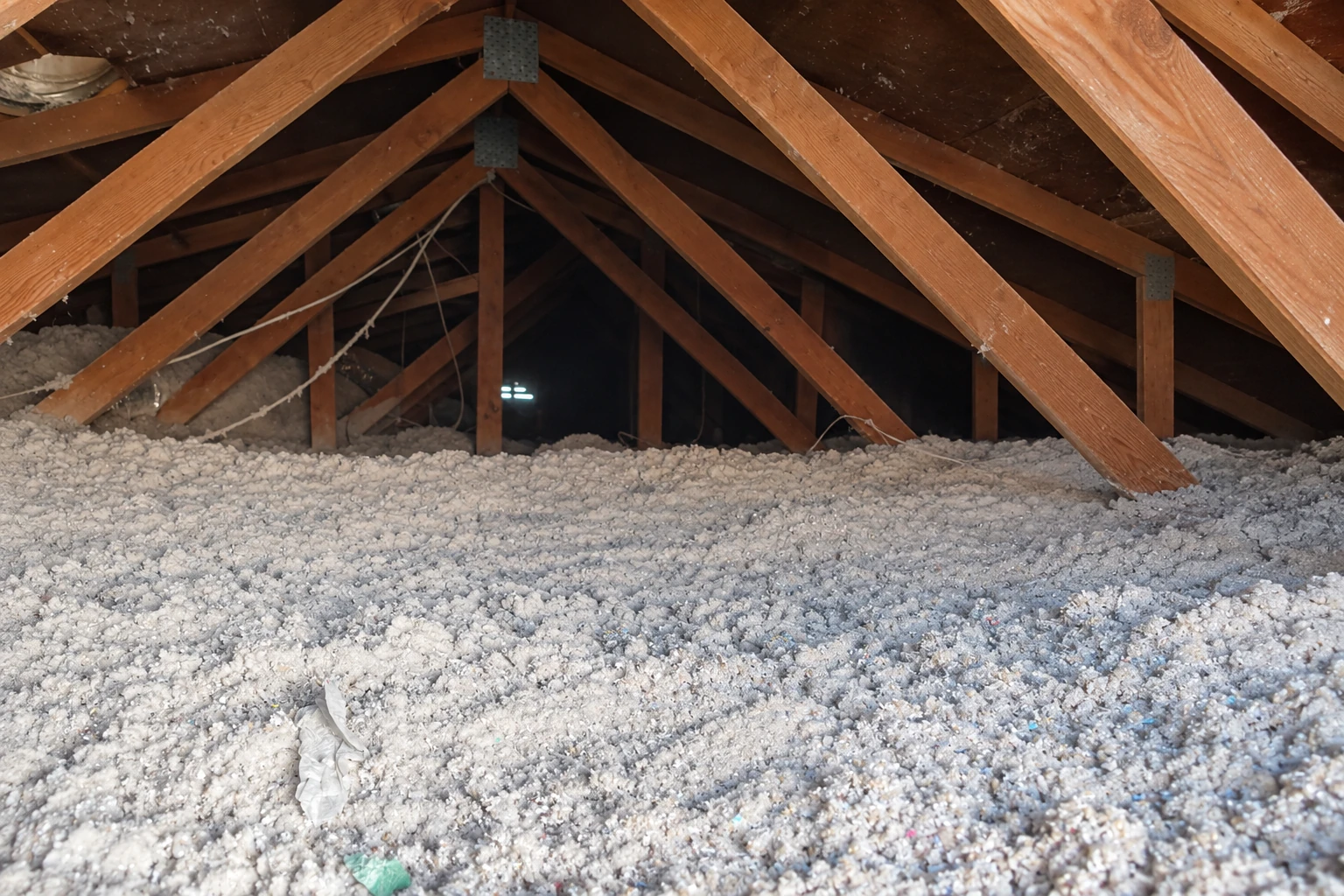
If you can see the tops of the joists, there isn't much up there. Older houses often have a few inches that settled years ago, and topping up is usually the simplest fix.
Hot upstairs in summer and drafty all winter? We fix what's wrong up there first, then lay insulation evenly to the edges.
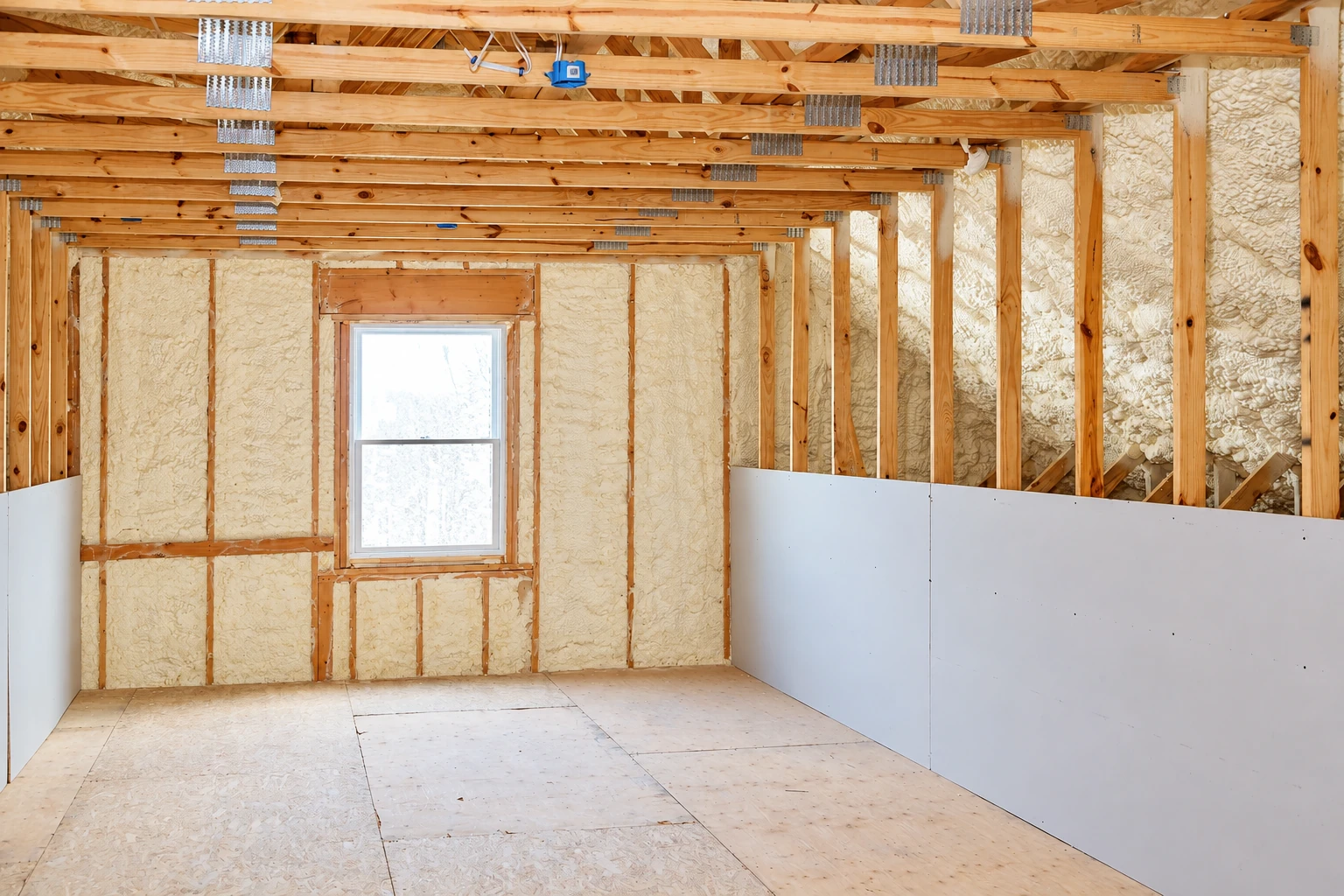
Attic insulation in Springfield, IL puts an even layer across your whole attic, with no bare or shallow spots, so the house holds its heat in winter and the upstairs stays cooler in summer. Paired with sealing the gaps, it usually does more for comfort and the power bill than any other insulation job in the house, and most attics can be done any time of year.
Most calls start the same way. The upstairs is hot, the room over the garage never warms up, or the power bill keeps climbing, and when I get up there the tops of the joists are poking through what's left. The price turns on the attic's size, how many inches are already up there, whether old material has to come out and how many gaps need sealing. The schedule turns on what I find first, because a leak, old wiring or suspect vermiculite gets handled before anything goes in, and I'll give you your own figure once I've seen the space.
I come out for every estimate myself and get up into the attic before we quote anything, because the inches already there and what's hiding under them decide the job.
I spent years on property upkeep, crawling attics nobody else wanted to. Homeowners call us now, and so do landlords and property managers who knew me from the old job.
We're licensed and insured, and if your attic has a leak or damp framing, I'll tell you to wait. Insulation laid over a problem only hides it for a while.
Before anything goes in, I check for leaks, damp spots, old wiring and vermiculite, because those come first and some of them aren't insulation problems at all. Then we make sure the attic either breathes well or is closed off on purpose, since it has to be one or the other to keep moisture and heat in check. Next comes air sealing, which means closing the gaps around can lights, pipes and the hatch so the new layer isn't fighting a draft. Then we spread it even across the whole attic, keep the vents at the eaves clear and clean up before we leave. Plenty of attics we open are piled deep in the middle and thin at the edges, as if whoever did it got tired of crawling.
Most of the attics we do end up with blown-in insulation, loose fill blown in through a hose, and that page goes deeper on the materials. If the drafts and cold floors go past the attic, our home insulation work looks at the walls, crawl space and basement too.
If you can see the tops of the joists, there isn't much up there. Older houses often have a few inches that settled years ago, and topping up is usually the simplest fix.
Rooms that never match the thermostat usually sit under thin insulation or a gap letting air through. We find out which before adding anything, since more fill won't stop a draft.
Fill that got soaked by a leak or is full of droppings comes out first. Laying fresh material on top keeps the damp and the smell right where they were.
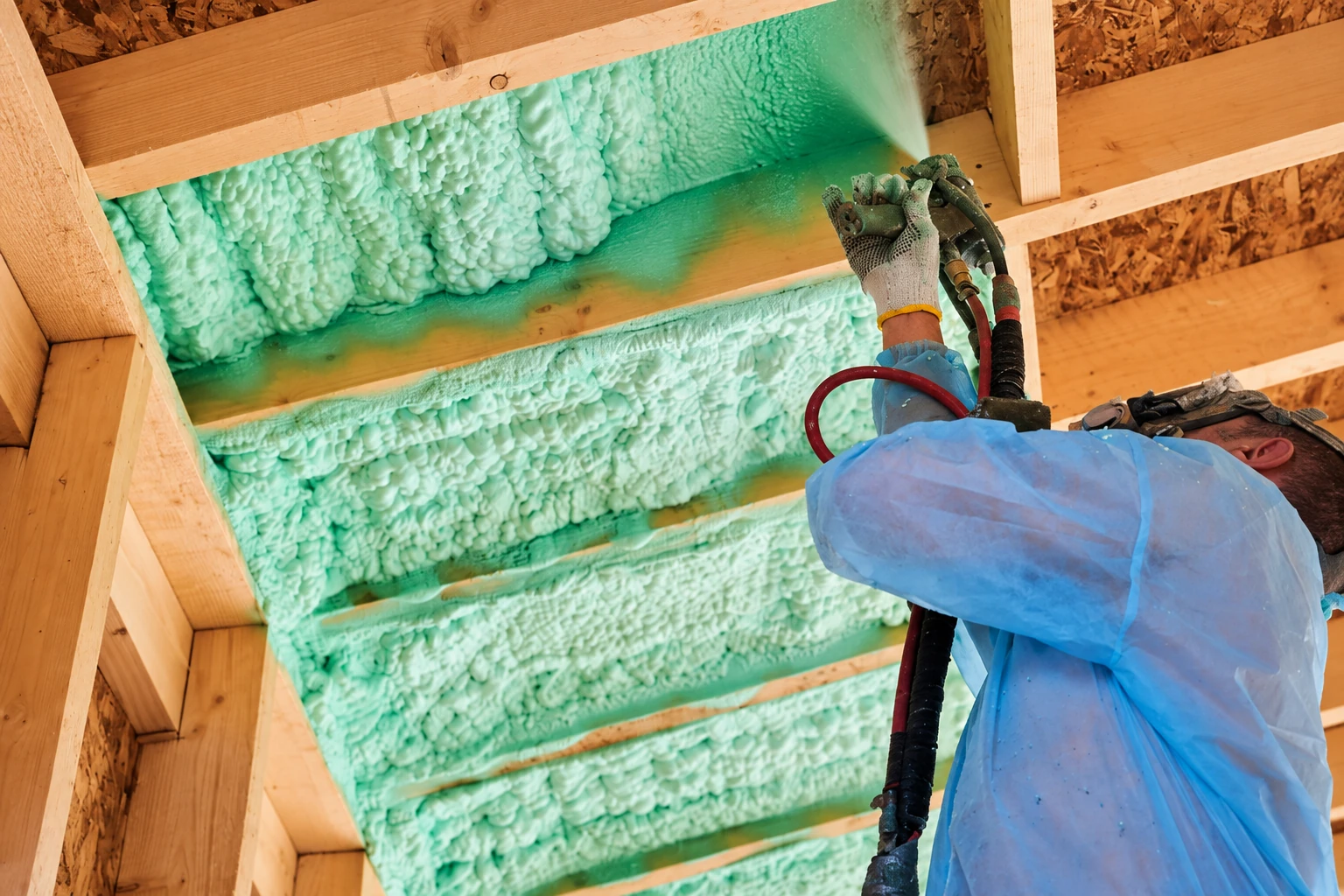
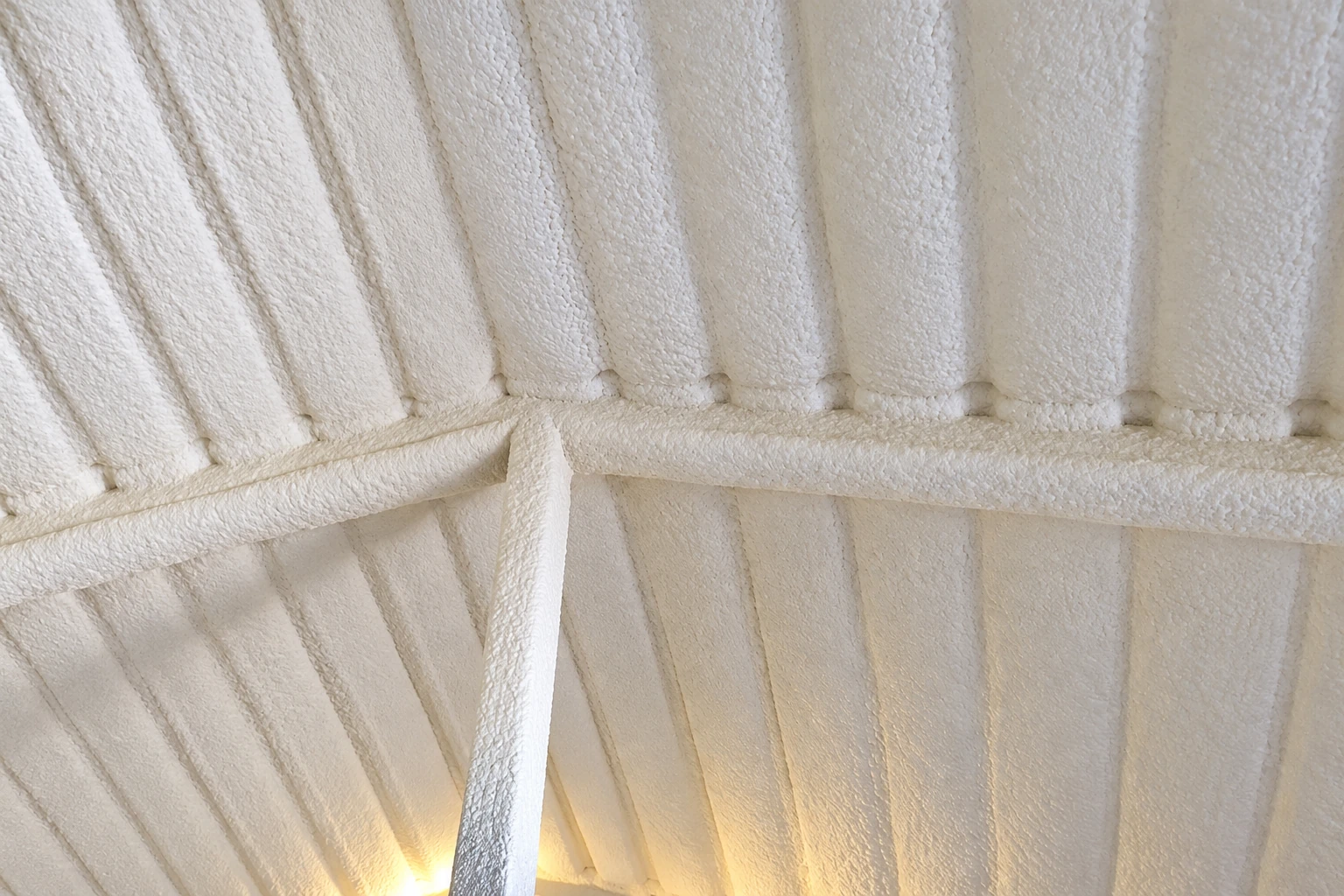
Foam costs more but seals air while it insulates, which pays off when the ducts live up there. Otherwise, sealing the gaps and topping up loose fill usually wins on cost.
Send the form or call, and we'll reply within one business day to set a time. I come out, look over the attic and give you a free estimate, with no obligation to book.
Give us the attic's rough size, any signs of leaks or flaky gray vermiculite, and whether you have gas or oil appliances, so I know what to look for when I come out.
I look over the space myself before we price it. Our crew does the install, and I'm on most jobs or checking them before we pack up.
We're based in Springfield and work across central Illinois, including Chatham, Decatur, Taylorville, Lincoln, Jacksonville and the cities around them, so if you're nearby, call anyway.
These photos show blown-in and batt layouts, depth out at the eaves and the guards that keep eave vents open, as examples to discuss at your estimate.
Straight answers on cost, help paying for it, materials, what has to be fixed first and whether you need to clear out while we work.
Across the US, attic insulation usually runs about $1,700 to $2,500 per job. That's a national figure for the work, not a Springfield quote and not our price. Where your attic lands depends on what I find once I'm up there, which is why I price it on site.
There can be. Illinois' Home Weatherization Assistance Program can fund air sealing and attic and wall insulation, so check the state's home weatherization page to see whether it fits your household. It's worth a look before you book anything, since it covers the same work this page is about.
For most attics, blown-in loose fill is the usual pick. Fiberglass, rock wool or cellulose blown in usually costs less to install than batts and gives better coverage. Batts are the other common option, and install costs vary from one contractor to the next, so compare quotes on the same material.
Roof leaks, damp insulation, moldy rafters and vents blowing moist air into the attic should be fixed first, along with knob and tube wiring, the pre-1930 kind that can be a fire hazard under insulation. If gas or oil appliances vent on their own, ENERGY STAR suggests testing them before and after sealing, because sealing can pull their fumes back into the house.
Leave it alone until it's been tested. Vermiculite is light, pea-size and flaky gray, and it may contain asbestos, so it shouldn't be disturbed until an approved lab has checked it. Your local health department can give you the name of an approved lab, and I'll hold off on the job until the results are back.
Usually not for blown-in or batt work, since the job stays up in the attic and you can go about your day downstairs. Spray foam is a different job with a re-entry time, meaning how long before you can come back inside, and I'll go over that at the estimate if foam is on the table.
We answer early and late, weekends included, so call (217) 210-0709 after work or send the form. Satisfaction guaranteed.