Spray foam insulation
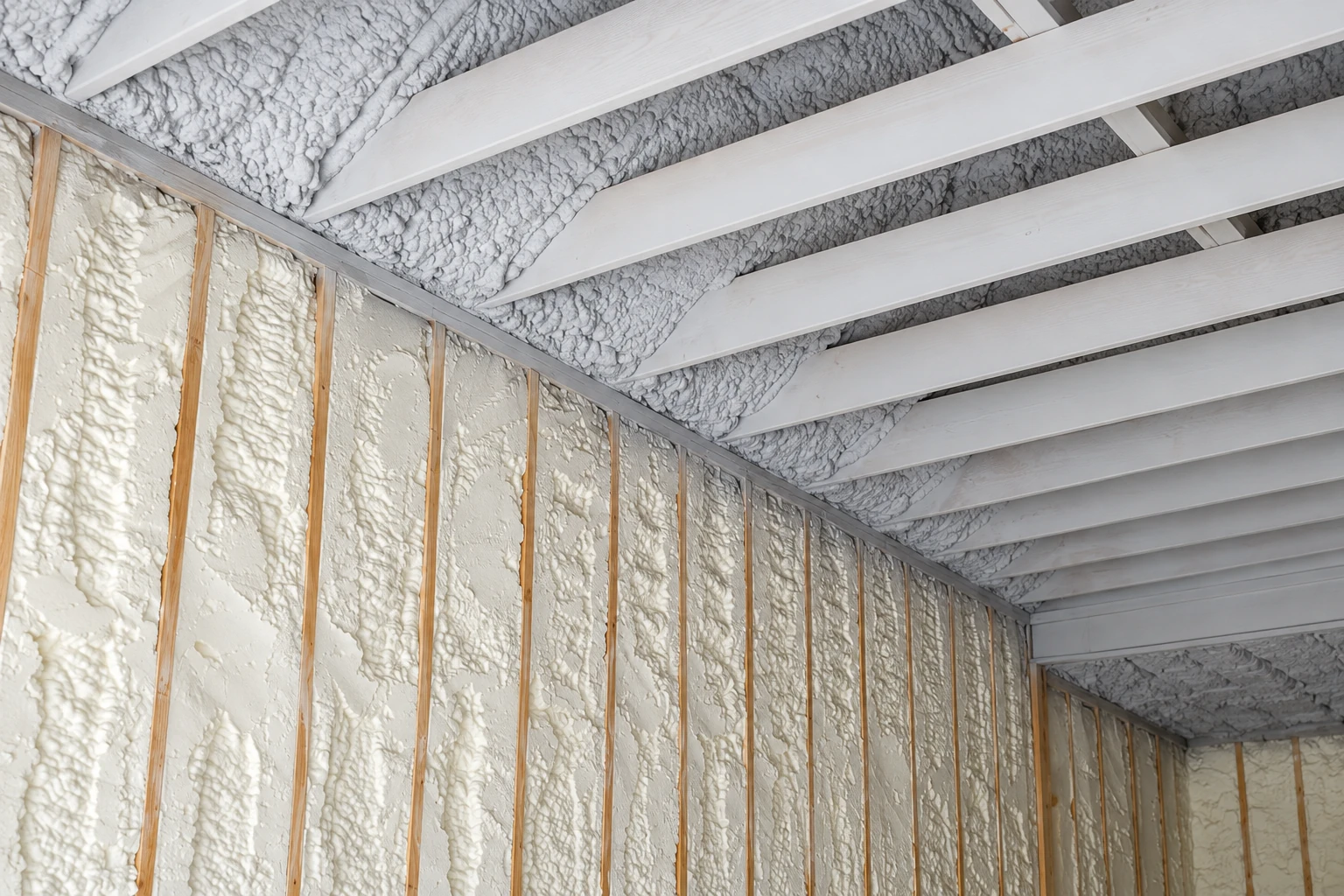
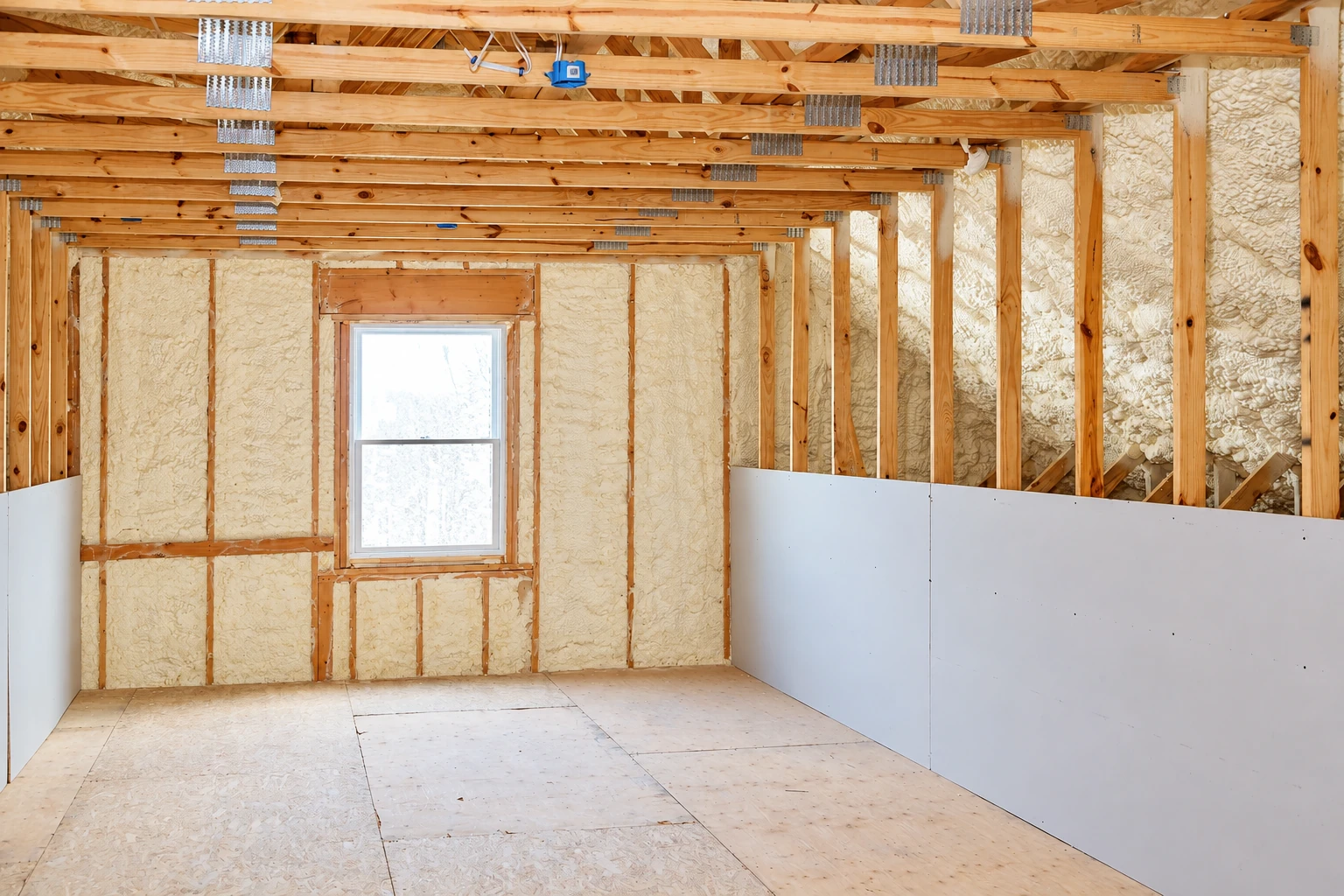
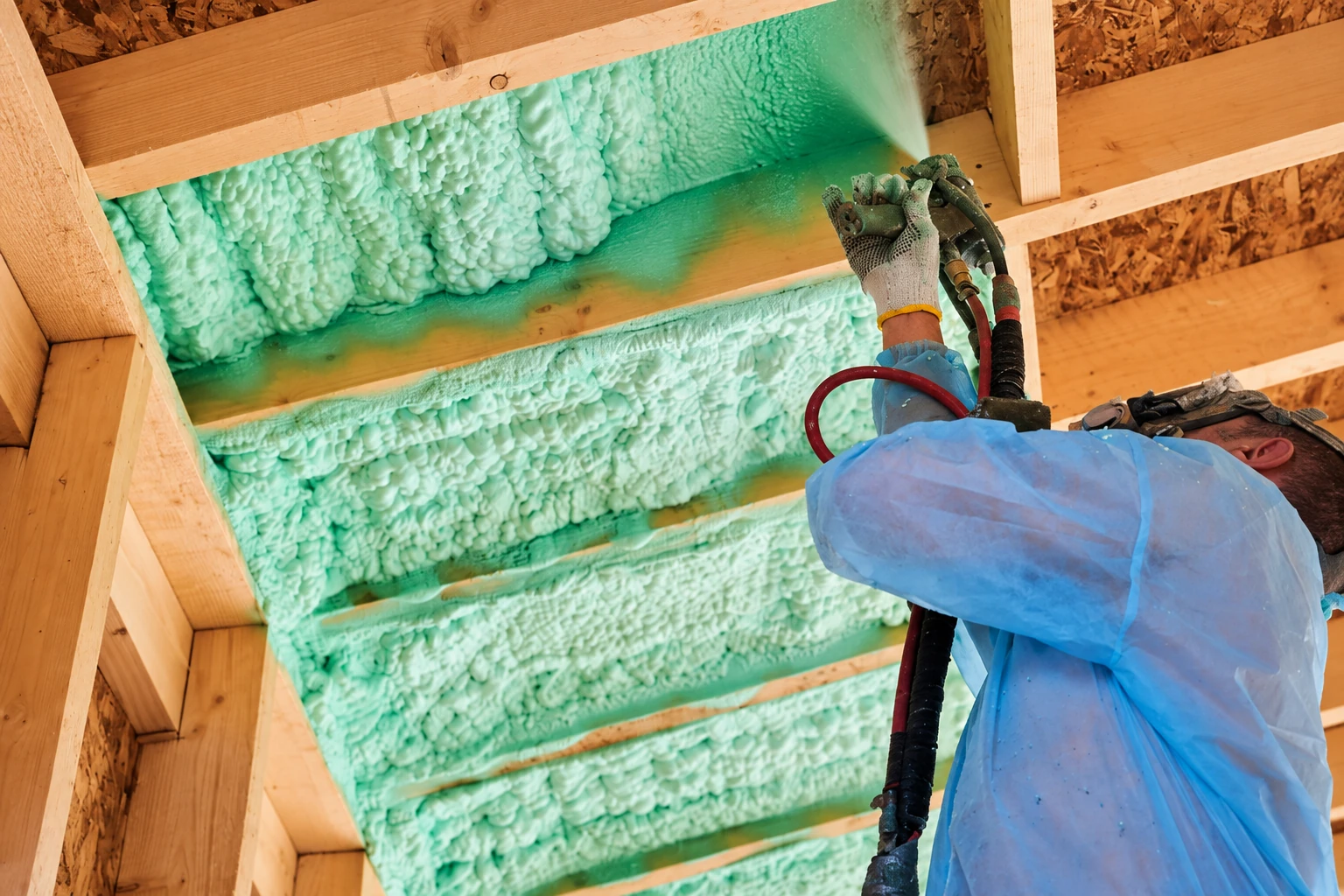
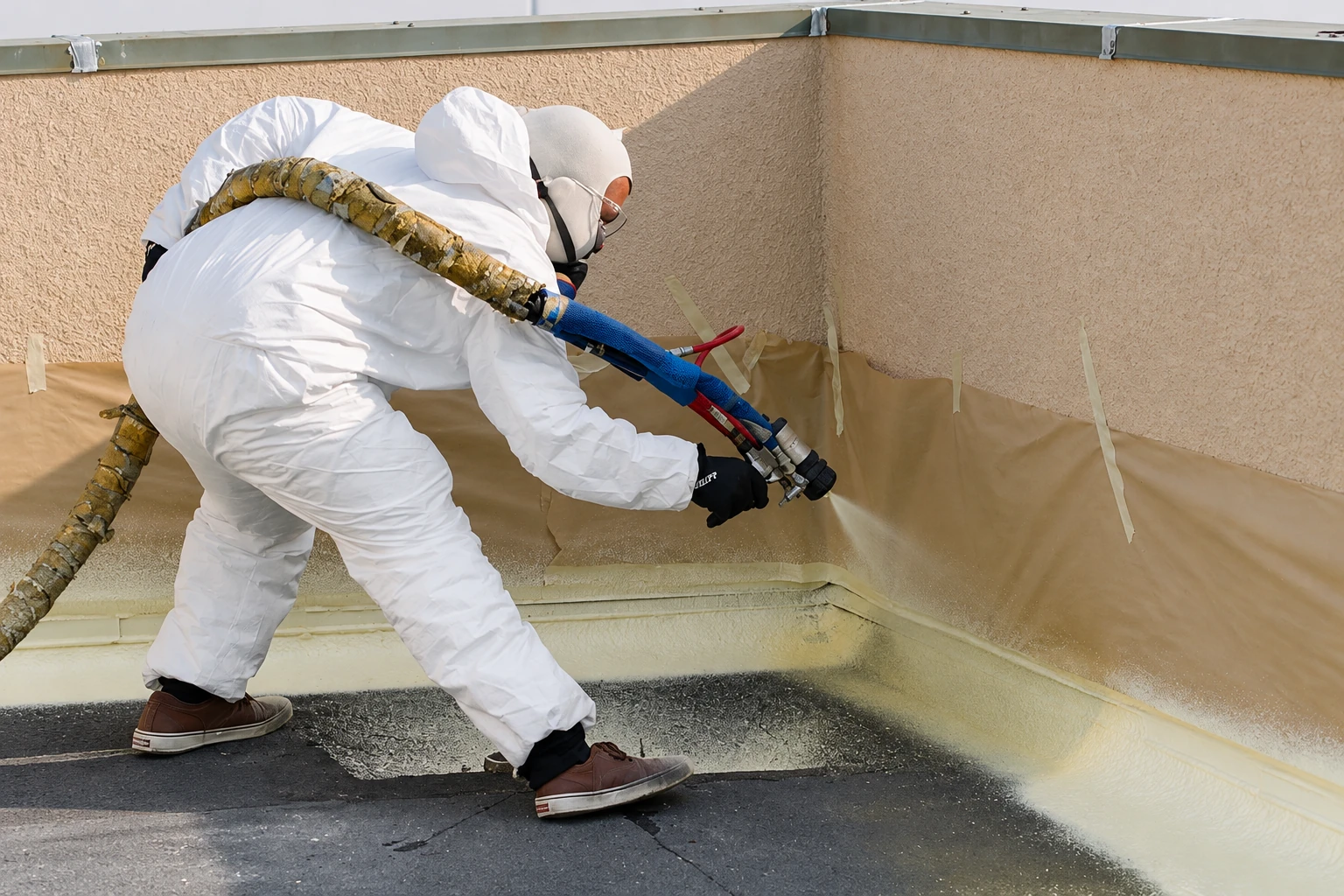
We spray foam where loose fill can't stay put or can't seal, like rim joists and the room over the garage. It seals air while it insulates, and it costs more.
Prime Springfield Spray Foam Insulation is an insulation contractor in Springfield, IL. We insulate and air seal attics, walls, crawl spaces and basements across the city, and we deal with leaks and dampness first so the work holds.
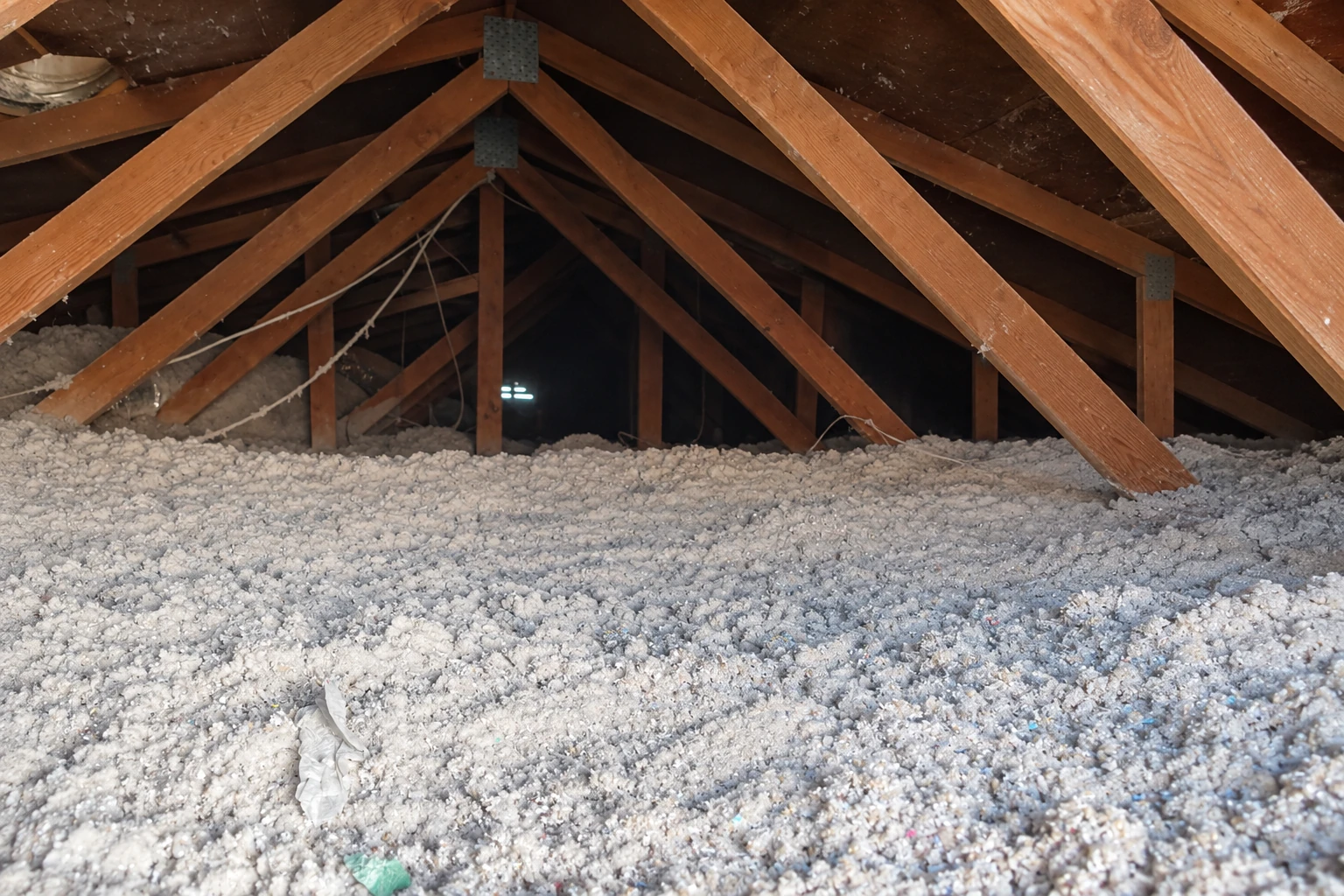
Our Springfield calls come from all kinds of houses, and the older ones usually tell on whoever insulated them last. Around Washington Park on the west side, the established neighborhoods are older homes on big lots, and their attics tend to have a few inches of packed-down fill, gaps around every light and pipe, and sometimes the eave vents buried under all of it. We do the same work in Chatham and over in Decatur, but Springfield is home.
What moves the price is what I find once I'm up there: how many inches you already have, whether the old stuff is wet or full of droppings and has to come out, how much gap sealing the attic needs, and whether foam or loose fill makes sense. The schedule turns on the same things, plus any roof leak or damp crawl space that has to be fixed first, and you get your own figure at the estimate. In the newer subdivisions the houses are usually tighter, so the work is more often the hot room over the garage or a cold floor over the crawl space.
I come out for every estimate myself and get into the attic or crawl space before we price anything, because what's up there and what shape it's in decides the job.
Insulation over a roof leak or a wet crawl space only hides the problem for a while. If the space isn't ready, I'll tell you to wait and fix that first.
Our crew seals the gaps around can lights, pipes and the hatch, keeps the eave vents open, and gets full depth out to the edges, where most attics come up thin.
We spray foam where loose fill can't stay put or can't seal, like rim joists and the room over the garage. It seals air while it insulates, and it costs more.
Most Springfield calls start in the attic. We measure what's already up there, seal the gaps, keep the eave vents clear and bring the coverage up evenly, edges included.
Blown-in is loose fill blown through a hose, and it's usually the best value for topping up an older attic once the gaps underneath it are sealed.
When the whole house feels drafty, I go from the attic down to the crawl space and tell you which spots are worth doing first and which can wait.
If the old insulation is soaked, moldy or full of droppings, we vacuum it out before anything new goes in, because covering it just keeps the problem.
Cold floors usually point to an open or damp crawl space. We sort out the moisture first, then insulate the walls or the floor above, depending on how it's built.
Older houses often have empty or settled wall cavities. We fill them through small holes and patch them, so rooms stop feeling cold along the outside walls.
Air sealing is closing the gaps before insulating, around pipes, wires, can lights and the hatch, so the insulation isn't fighting a draft all winter.
We insulate basement walls and rim joists once the space stays dry, which usually warms the floor above and makes the basement more usable.
Closed-cell foam is dense foam that also blocks moisture, so it's our pick for rim joists, crawl space walls and other spots where dampness is the worry.
Open-cell foam is lighter and softer, and it suits rooflines and interior walls where you want air sealing and quieter rooms but moisture isn't a concern.
We insulate offices, shops and rental buildings, and landlords and property managers call us for the same fix-it-first approach we use on houses.
A heavy liner over the dirt floor keeps ground moisture from rising into the framing, and it goes in after any drainage problem under the house is sorted out.
We install vapor barriers in walls, floors and ceilings on the side the building needs, because a barrier on the wrong side traps water instead of stopping it.
Before new insulation goes in, we seal the top plates, chases, can lights and the attic hatch, which is usually where an upstairs draft is coming from.
Retrofit work adds insulation to a finished house without tearing it apart, working through the attic, the crawl space or small holes in the walls.
Send the form and we'll reply within one business day to set a time. I'll come out, look over the space and price it on site, free and with no obligation to book.
I started this business in 2017 after years of property maintenance work, a lot of it in attics and crawl spaces nobody else wanted to go into.
We're licensed and insured, and our own crew does the install, so the people working in your attic are the same crew I work with every week.
Satisfaction guaranteed. I'm on most jobs or checking them before we pack up, so I see the finished attic or crawl space before the crew leaves your house.
These are the questions Springfield homeowners ask most before they book insulation work, answered the way I'd answer them on site.
Possibly, so we check with the city before we start. The city's permit application lists building, roof, demolition and other permits without naming insulation, and the city's Building Division enforces the building codes. The state hasn't adopted a code for repairs to existing single-family homes, so it comes down to the city. If a permit is needed, we take care of it.
For most older attics, sealing the gaps and topping up with blown-in wins, because it costs less and does the job once the air leaks are closed. Foam costs more but seals air while it insulates, so it earns its price when your ductwork runs through the attic. I'll tell you which fits after I've been up there.
For blown-in, usually not, though you'll want kids and pets kept away from the hatch and the hose. Spray foam is different, because everyone, pets included, stays out until the re-entry time, which is the wait the foam maker sets before you can come back inside. I'll go over that at the estimate so you can plan around it.
Not until it's dry, because insulation over a wet crawl space hides the problem and usually has to come back out. In many newer Springfield subdivisions, the underground sump drains behind the houses are private and kept up by the homeowner or the association, not the city, so a clogged line is yours to fix first. Once it's dry, we can lay a vapor barrier and insulate.
Besides Springfield, these cities have their own page here, and we work in the cities around them too. If your address isn't listed, call or send the form and ask.
We pick up until 11 PM on weekdays and 10 PM on weekends, so call (217) 210-0709 or send the form after work.