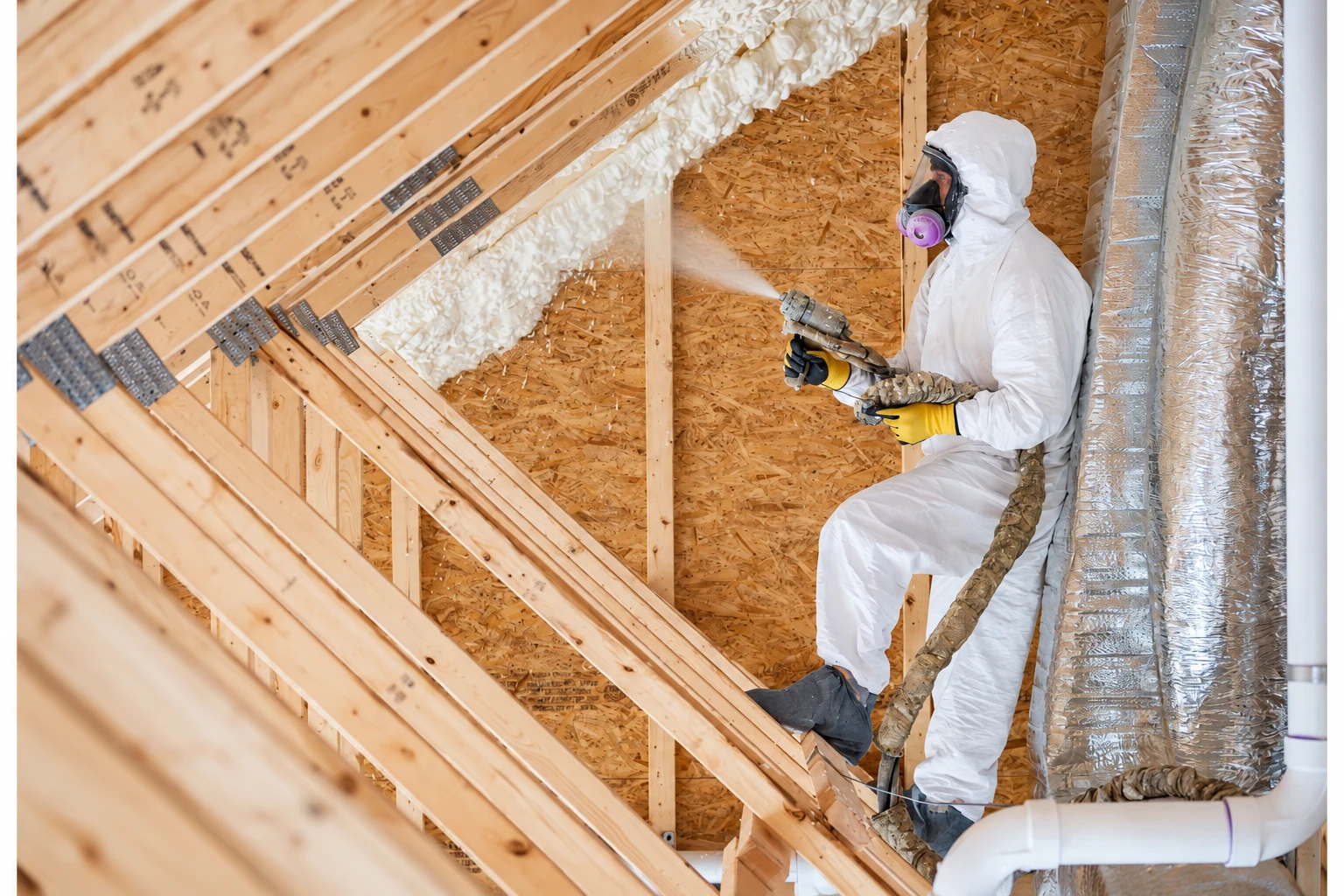
Cold floors over the crawl space
If the floors feel cold through your socks all winter, the crawl space under them is usually bare or the insulation has fallen down. That's usually why people call us.
Cold floors or a damp crawl space under the house? We sort out the moisture first, then insulate so the job holds up.
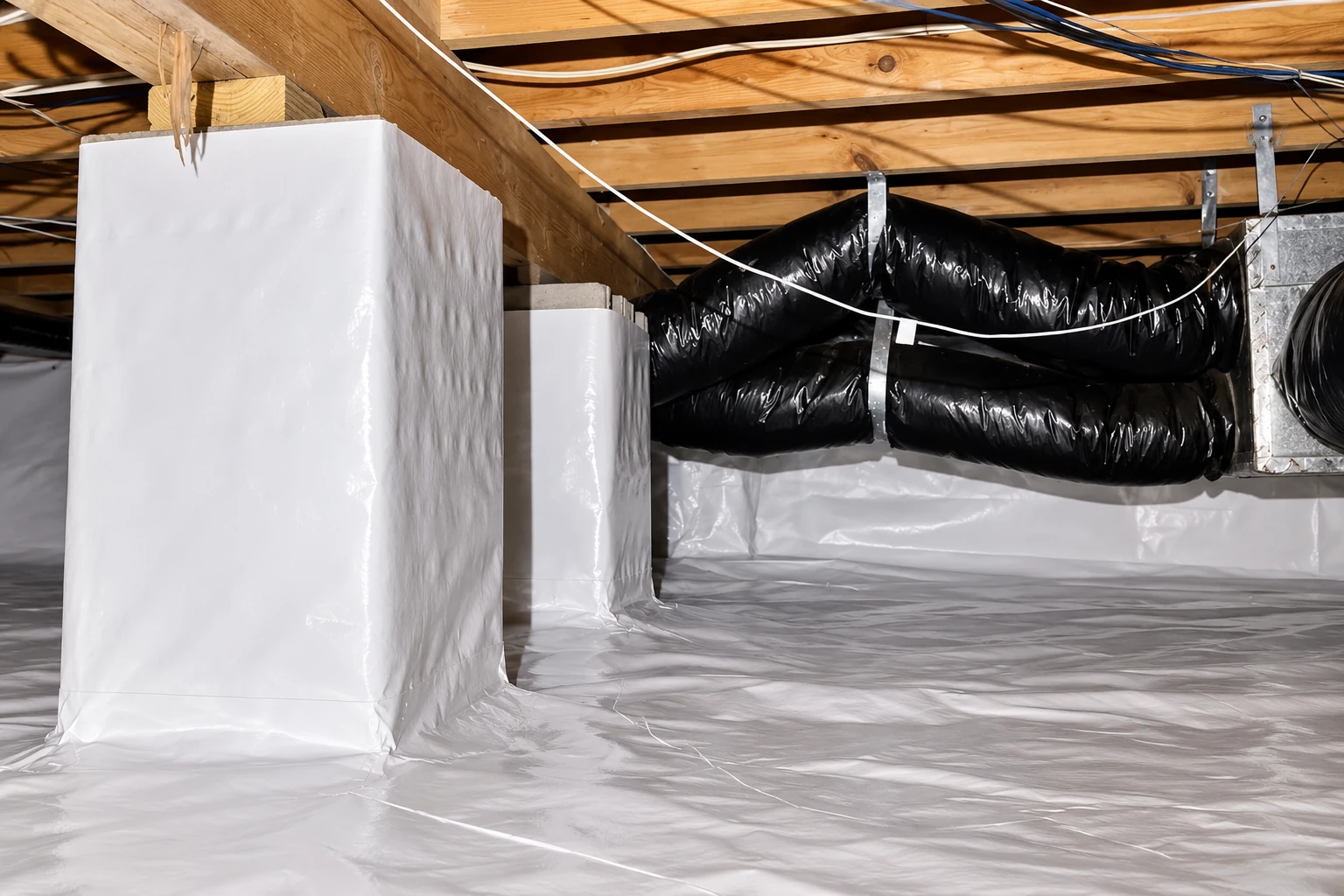
Crawl space insulation in Springfield either goes up under the floor of a vented crawl space or seals the crawl space and insulates its walls, so the floors above stay warmer and, with a sealed crawl space, the air under your house stays drier.
Most calls start with cold floors, a furnace that never seems to catch up, or a musty smell drifting up into the house. When I get under there, I usually find bare joists or batts lying on the dirt, because whoever stapled them up was counting on gravity taking a day off. The price moves with the size of the space, whether we insulate the floor or seal the whole crawl space, and what has to be fixed or pulled out first. The schedule turns on the same things, plus any water or pest problem that has to be dealt with before we start. You'll get your own figure once I've been under the house.
I come out for every estimate myself and crawl through the space before we price it, because a crack, a leak or a furnace down there changes the whole job.
If there's water, a leak or pests down there, I'll tell you to fix that first, because insulation over a wet crawl space just hides the problem for a while.
Our crew does the install, and I'm on most jobs or checking them before we pack up. We're licensed and insured, in business since 2017. Satisfaction guaranteed.
First I go over the choice with you, insulating the floor above or sealing the crawl space up, and what each one means for moisture under your house. If a furnace or water heater sits down there, we look at it before anything else, because it changes the plan. Then we clear out what's in the way and make sure water, cracks and pests are dealt with, since insulation won't fix any of them. On a floor job, we fit insulation snug between the joists, hold it in place and close the gaps around pipes and wires so it isn't fighting a draft. On a sealed job, we close the vents, lay a vapor barrier, a plastic sheet that slows moisture, over the ground and up the walls, insulate the foundation walls and work out how the space will stay dry.
Cold floors usually aren't the only weak spot. If the rooms above still feel drafty once the floor is done, the walls may be short on insulation, and I can look at wall insulation on the same visit. Crawl space air also works its way up through gaps around pipes, wires and ducts, so our air sealing services close those openings in the rest of the house before more insulation goes in.
If the floors feel cold through your socks all winter, the crawl space under them is usually bare or the insulation has fallen down. That's usually why people call us.
When ducts or a furnace live in the crawl space, sealing it usually beats insulating the floor, because the equipment then sits in warmer, drier air. It costs more, and it needs planning.
If it smells musty or the wood looks wet, the moisture comes first. Insulating a damp crawl space traps the problem, so we find where the water comes from before we price anything.
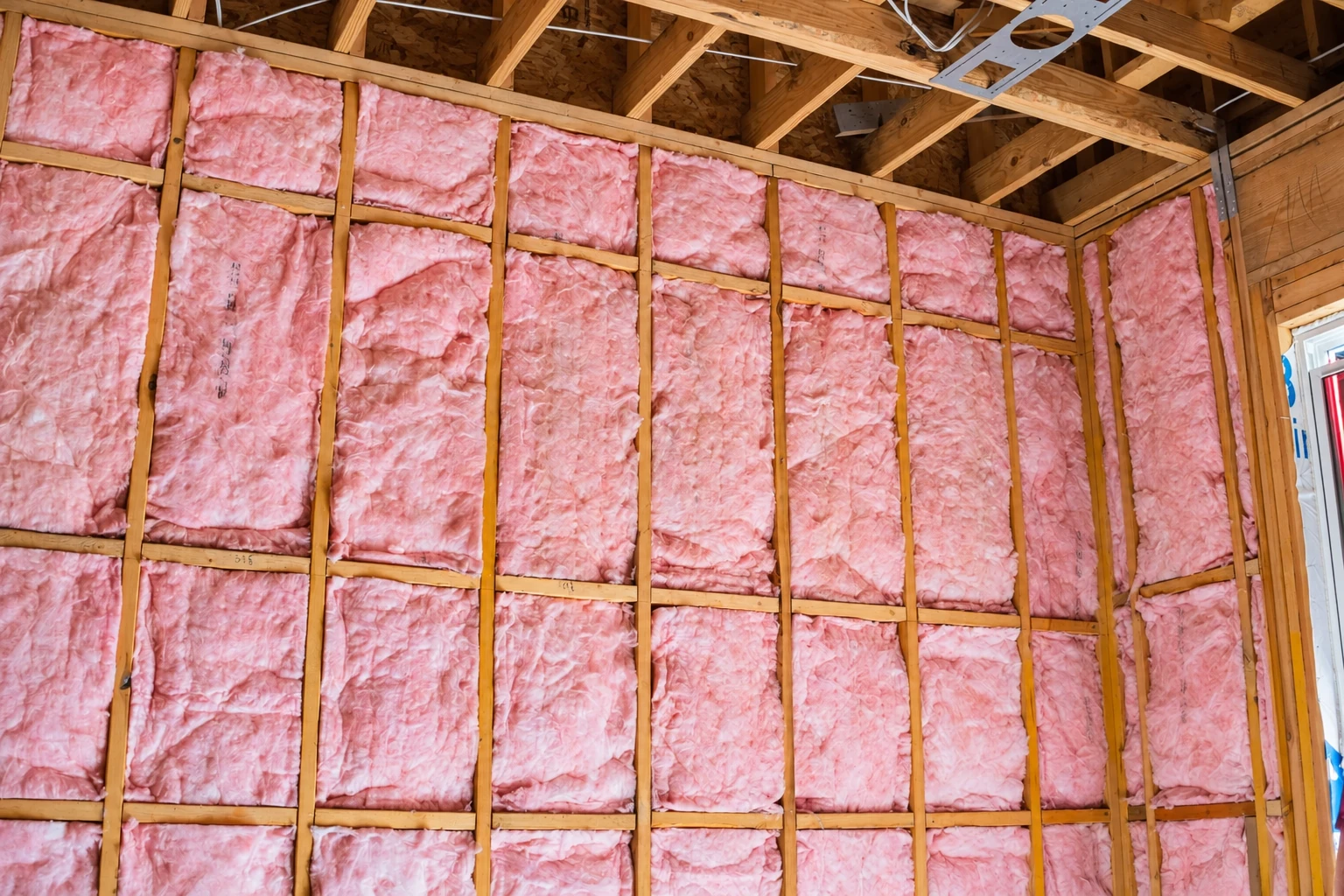
Batts that have dropped, soaked up water or filled with droppings need to come out before anything new goes in. New material over the old mess just keeps the problem.
Send the form or call (217) 210-0709 and we'll reply within one business day to set a time. I'll come out, look over the crawl space and give you a free estimate, with no obligation to book.
Let us know if a furnace, water heater or ductwork sits in the crawl space, because anything that burns fuel down there changes how a sealed job has to be done.
If you've seen water, cracked walls or signs of mice or termites, say so. Those get handled before insulation goes in, and it tells me what to look at first.
Landlords and property managers call us too. Tell us who can let us into the crawl space, and we'll set the visit up around your tenant.
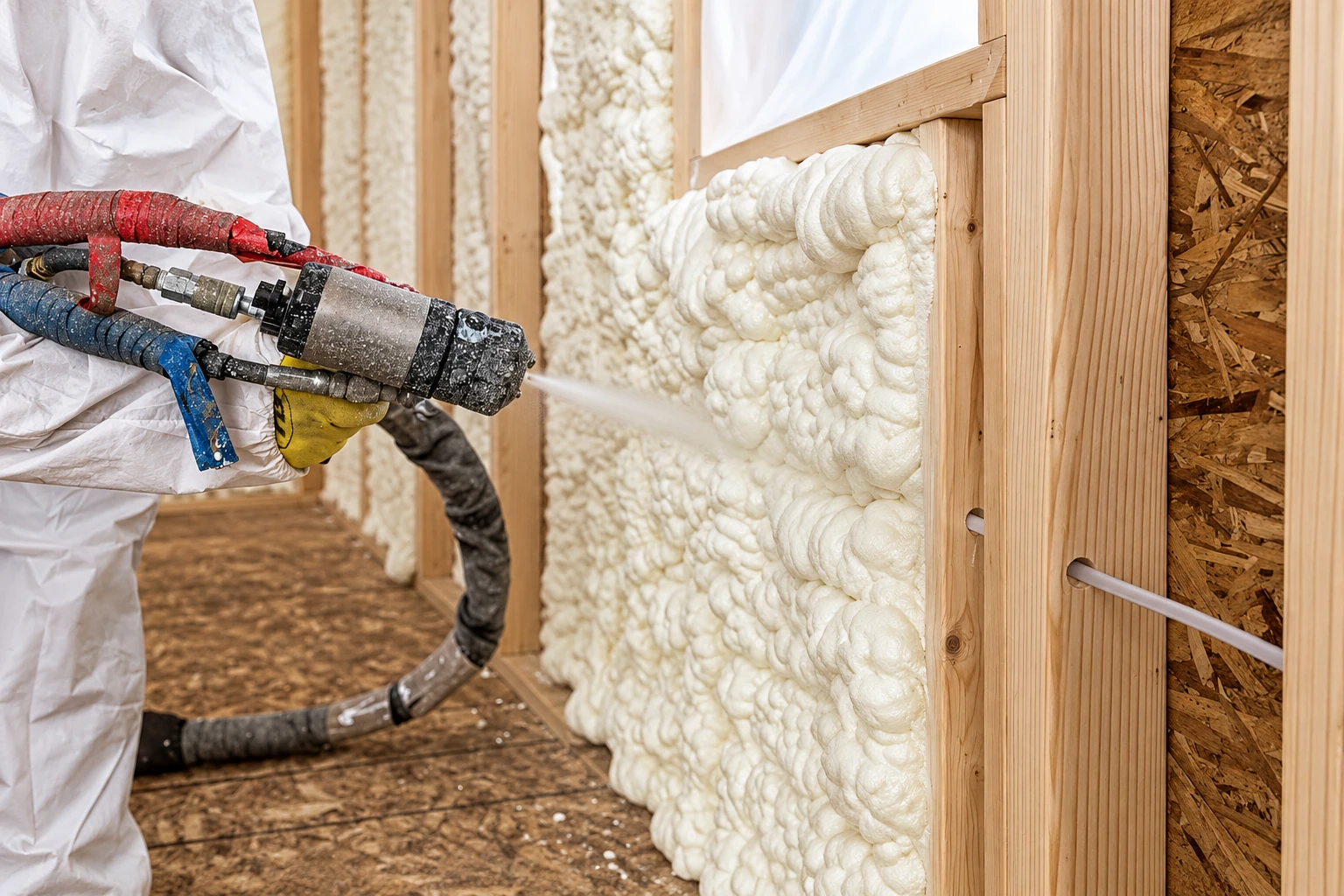
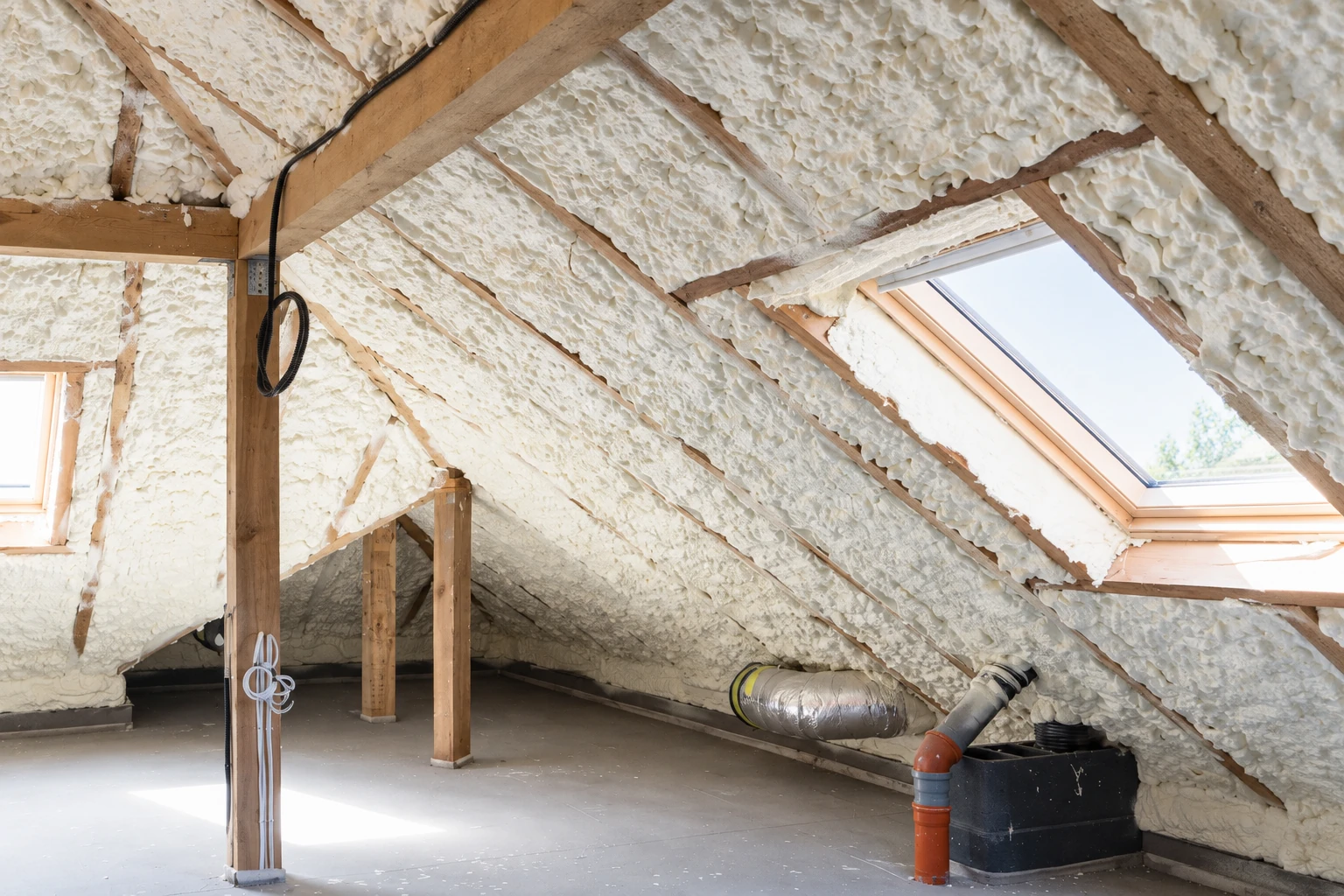
These example photos show floor insulation, sealed crawl spaces and vapor barrier layouts you can point to when we talk about your own house.
Here's what Springfield homeowners usually ask about insulating or sealing a crawl space, and what the answers mean for your house.
Sealing it is usually the better choice when the crawl space can be kept dry. Energy Department guidance favors sealing because it treats the crawl space like a basement, and the department's past research on sealed crawl spaces found heating and cooling savings of 15% to 18% with humidity down more than 20%. Those were study results, not a promise for your house.
No, not on their own. Closing the vents alone can raise moisture down there, and if a furnace or water heater draws its air from the crawl space, it can create a deadly situation. A sealed crawl space also needs a way to dry, such as a little heated or cooled air from your system, so your heating and cooling becomes part of the plan.
It can, so it needs planning. The same federal guidance notes that a radon mitigation system will require venting the crawl space outside, and without planning for radon, the floor may need air sealing so ventilation can lower it. The Illinois Emergency Management Agency and Office of Homeland Security licenses radon testers and mitigators, and its radon staff explain how to lower levels at home.
Insulating a crawl space in Springfield usually costs about $1,600 to $7,400 per job. That's the going range around here, not our price. A floor job in a dry, easy-to-reach space usually lands toward the low end, and a full seal with repairs first toward the top. Your own number comes from the estimate after I've looked at it.
The city's permit list doesn't settle it, because it names building, roof and fence work and not crawl space insulation. Before we start, we check with Springfield's Building & Zoning Department, which takes permit applications, and if a permit is needed, we take care of it.
We're open until 11 PM on weekdays and 10 PM on weekends, so you can call (217) 210-0709 after work or send the form.