
Upstairs rooms that won't settle down
If the bedrooms upstairs run hot all summer and drafty all winter, a thin attic floor is the usual cause, and blown-in is the most direct way to fix it.
Upstairs rooms that run hot in summer and cold in winter usually trace back to a thin attic. We fill it evenly, edge to edge.
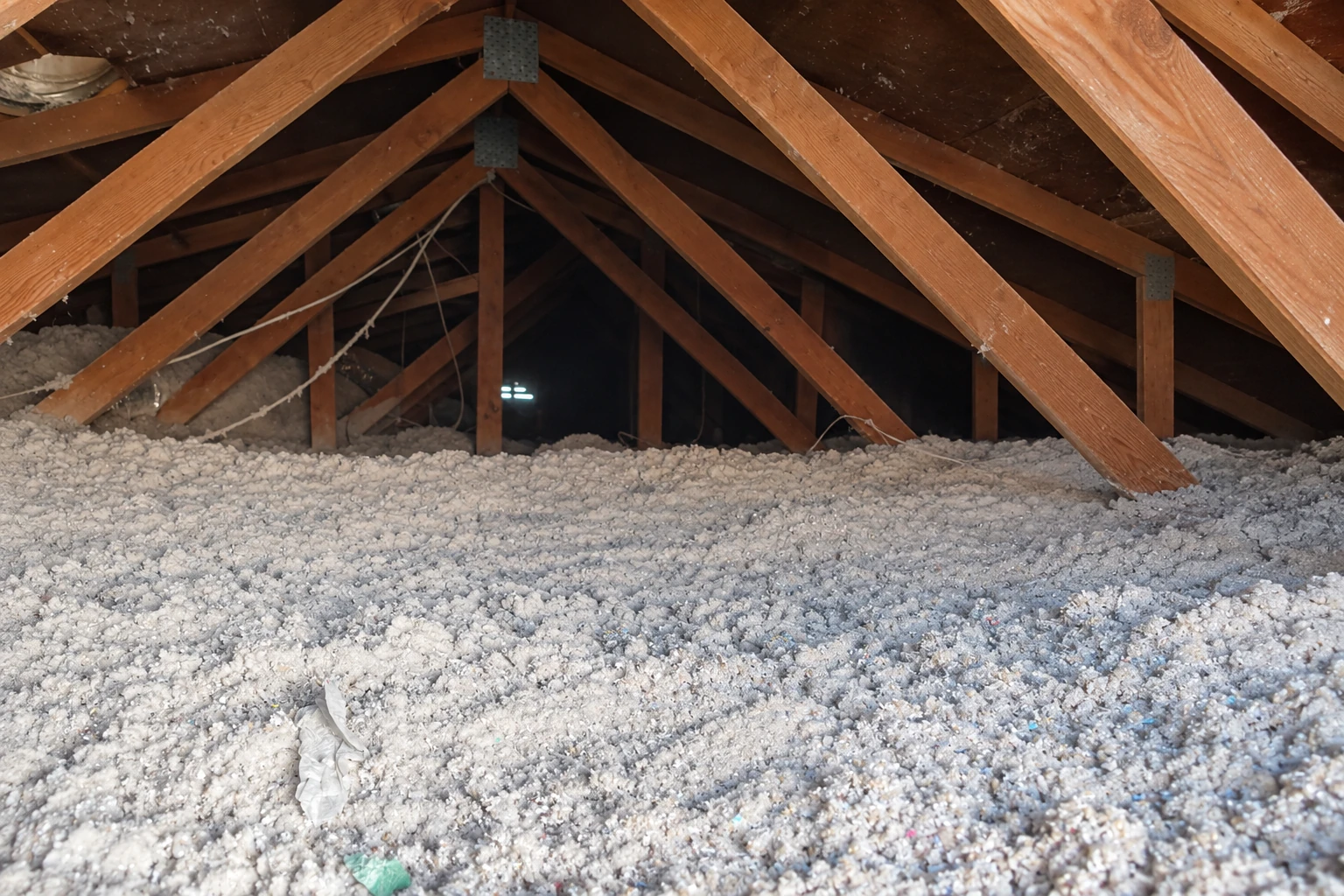
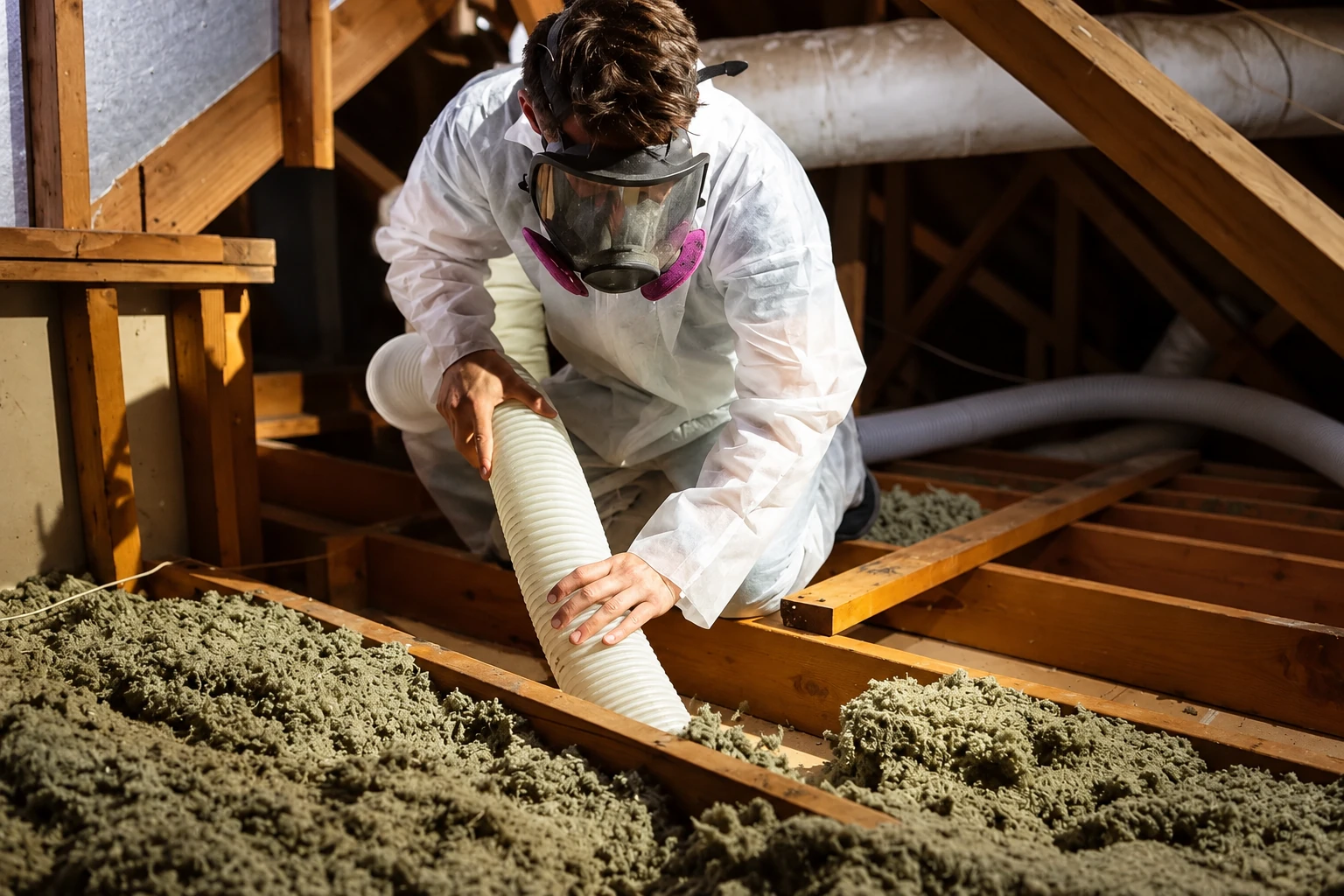
Blown-in insulation in Springfield, IL is loose cellulose or fiberglass blown through a hose across your attic floor, so the ceiling holds heat in during winter and keeps it out in summer. Plenty of older houses have little or none up there.
If you've stuck your head through the hatch and seen a few inches of gray fill, or bare drywall near the eaves, you're not alone, since whoever built most attics seems to have run out of patience halfway to the walls. The price moves with the size of the attic floor, how many inches are already there, how many gaps need sealing and whether old material has to come out first. The schedule turns mostly on what has to be fixed before we blow anything in. I look the attic over myself and price it from what's actually up there. Permit rules differ from one office to the next, so we check with the one that covers your address before we start, which in Springfield is the city's Building Division, the office that enforces the building codes, and if a permit's needed, we take care of it.
I come out for every estimate myself and look over the attic before we put a number on it, so the price covers what's really up there instead of a guess.
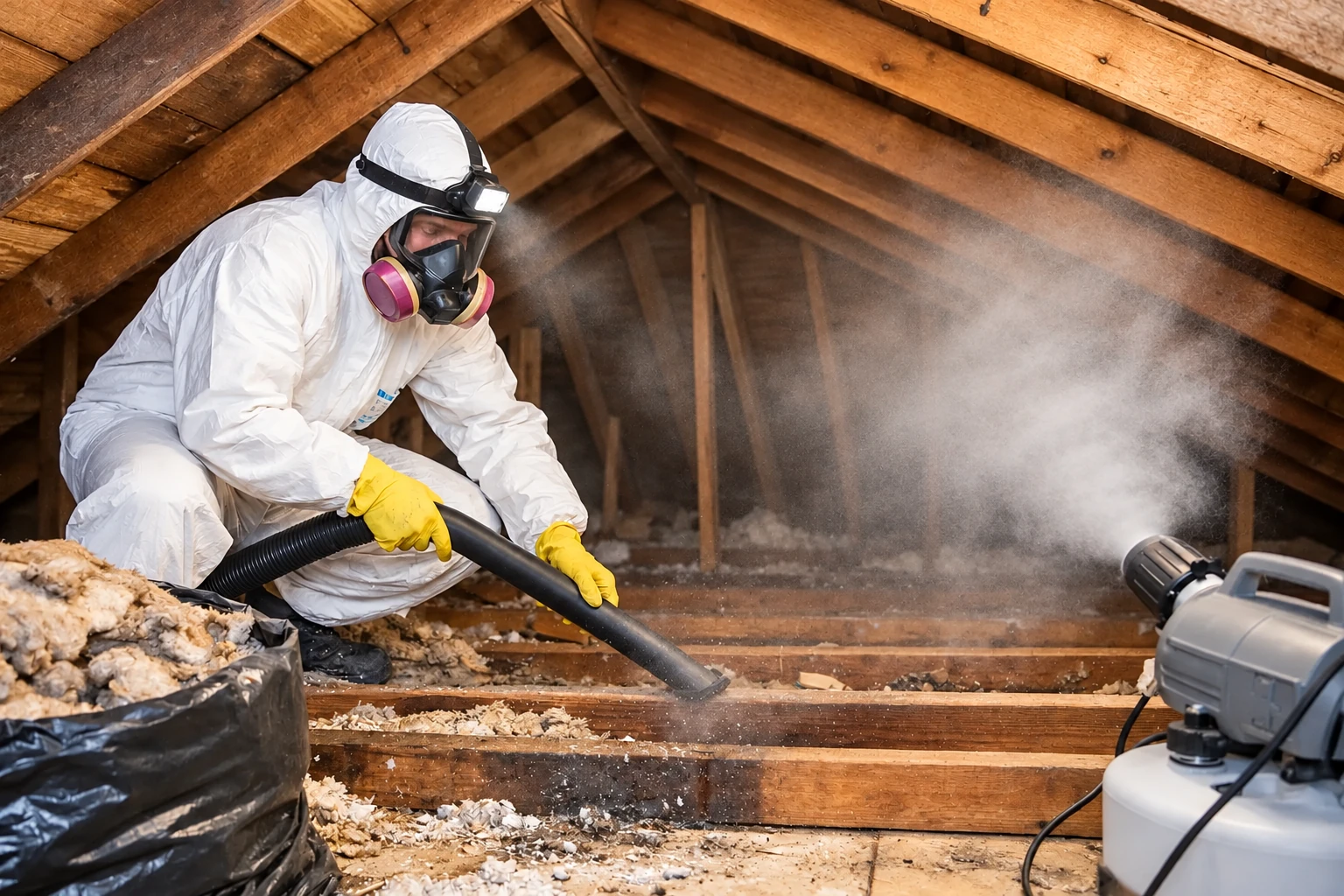
If the old fill is wet or full of droppings, I'll tell you to wait, because fresh insulation laid over that just hides the problem for a while.
Our crew does the install, and I'm on most jobs or checking them before we pack up, so thin corners get caught while the hose is still running.
First we look the attic over for anything that has to be dealt with before new fill goes in. Then we do the air sealing, closing the gaps around can lights, pipes and the hatch, so the insulation isn't fighting a draft. We set baffles, guides at the roof edge, so the eave vents stay open and the attic keeps breathing. Then we blow, and we take our time, because blown-in only works when it's packed right and reaches the edges, and most bad jobs I see are deep in the middle and thin where the roof meets the walls. We fill every corner, clean up and leave you a written note of what went in and where.
Sometimes the attic is only part of it. If the walls or the floors over the crawl space are cold too, our home insulation work looks at the whole house. When the old fill is soaked or full of droppings, it comes out first through insulation removal, because blowing fresh material over it keeps the problem.
If the bedrooms upstairs run hot all summer and drafty all winter, a thin attic floor is the usual cause, and blown-in is the most direct way to fix it.
Older houses often have a few inches that packed down years ago. When it's dry and clean, we can usually top it up instead of tearing it out and starting over.
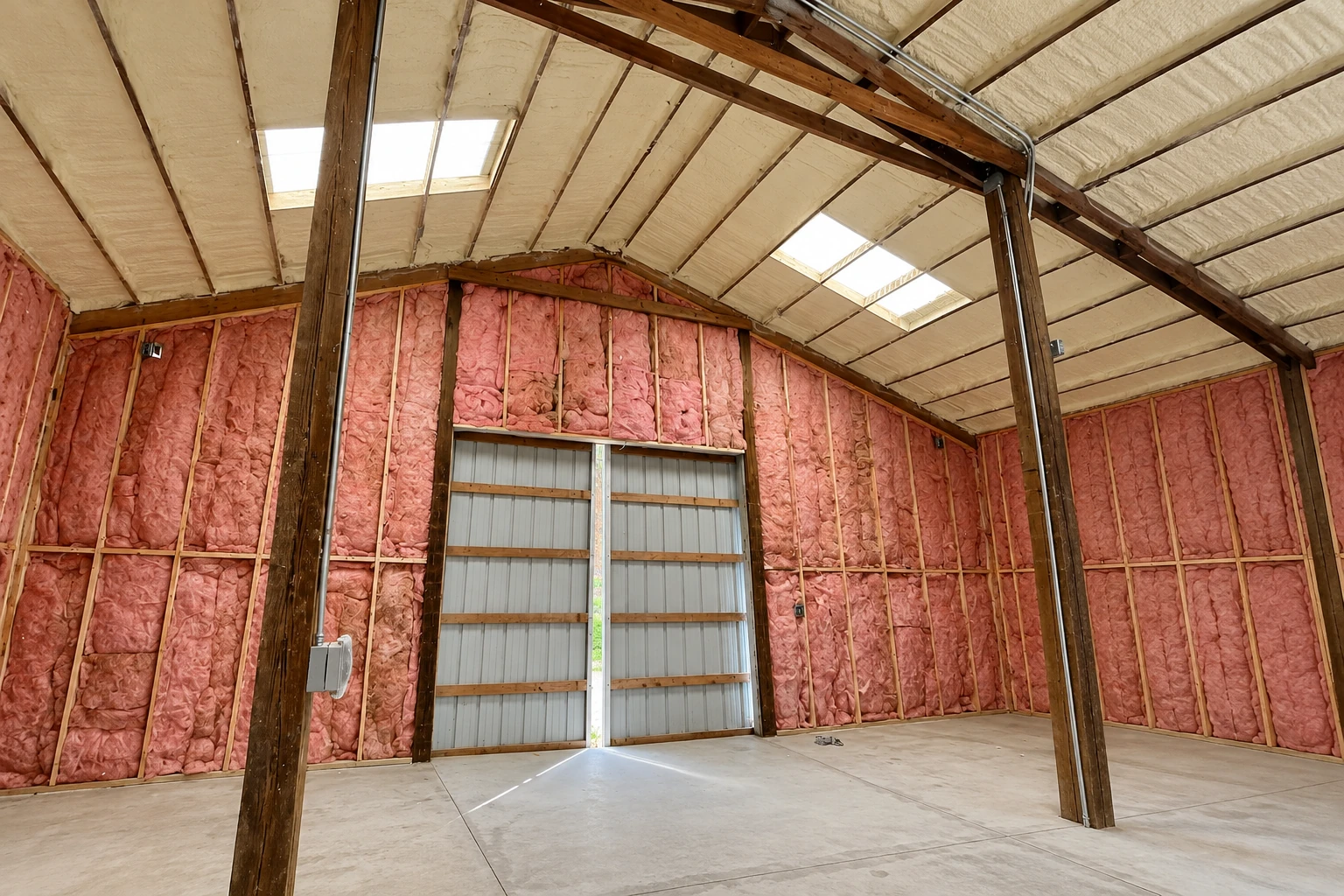
Loose fill flows around wiring, braces and odd joist spacing where batts leave gaps, so it suits attics where the framer clearly wasn't thinking about the next guy.
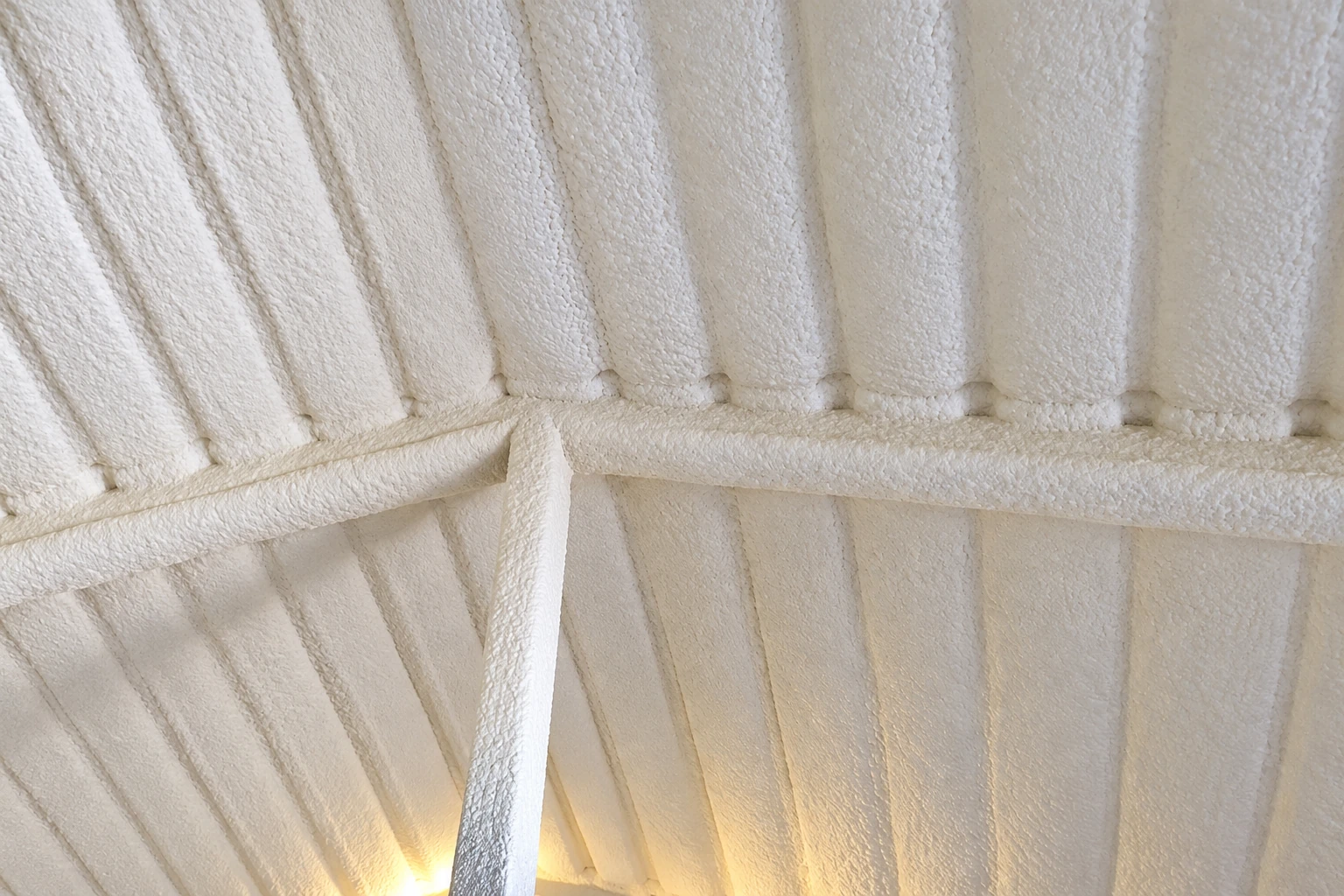
Foam costs more and seals air while it insulates. Sealing the gaps and topping up loose fill usually wins, unless your ductwork runs through the attic, and then we'll talk foam.
Send the form and we'll reply within one business day to set a time. I'll come out, look over the attic and give you a price, with no obligation to book.
The estimate costs nothing and happens at your house, because I can't price an attic I haven't seen. Once you have the number, there's no pressure to book.
We're licensed and insured, which matters when a crew is walking your attic joists and working around wiring, light fixtures and the hatch above your ceilings.
Satisfaction guaranteed. We've been at this since 2017, and before that I spent years in attics and crawl spaces for a property management company.
These example photos show loose cellulose and fiberglass, baffles at the eaves and attic layouts worth talking through before you book anything.
Here's what people in Springfield usually ask before they let a crew into the attic, answered the way I'd answer at the hatch.
It depends on your attic, so I give you a number after I've looked at it. The size of the attic floor, how many inches are already up there, the gaps that need sealing and any old fill that has to come out first move the price the most. That's what the on-site estimate is for.
Yes, in most attics you should. Every opening through the attic floor should be sealed before insulation goes over it, because sealing saves energy, lowers the fuel bill and helps prevent moisture problems up there. Hot flues and some recessed lights also need metal blocking or covers before fill goes near them, so those add a step.
Leave it alone and treat it as if it may contain asbestos, which is what the EPA tells owners to assume. Vermiculite looks like small pebbles, usually gray-brown or silver-gold. If the work would disturb it, the EPA advises hiring a professional asbestos contractor, so tell me at the estimate and we'll sort out the order first.
Yes, fix the leak first, then seal and insulate. That's the standard order, and it's the one I hold to, because new fill over a leak soaks up water and hides it until a stain shows on your ceiling. If I find signs of a leak at the estimate, I'll tell you to call a roofer and wait.
Some settling is normal, which is why the fill has to go in packed tightly enough that the attic stays covered once it does. Fill blown in too loose settles into holes and bare spots. When you compare quotes, ask each crew how they'll fill the edges and corners, since that's the part we take our time on.
Possibly, if your household income qualifies. The state's weatherization program can fund air sealing and attic and wall insulation for households with combined income at or below 200% of the federal poverty level. If you think you might qualify, it's worth looking into before you book anything.
Call (217) 210-0709 or use the form and tell us where the hatch is and what's up there now, so I come ready.